
SDG 6 Clean Water and Sanitation
ASSCAT advances SDG 6 by promoting sustainable water management through research-driven technologies, efficient wastewater treatment, and campus-wide conservation practices. With measures like rainwater harvesting, non-potable water reuse, strict waste protocols, and a purification facility that provides free safe drinking water, the college ensures clean water access, protects water quality, and upholds responsible resource stewardship.
- Overview
- Indicators and Progress
SDG 6 is the United Nations goal that aims to ensure availability and sustainable management of clean water and sanitation for all.
It focuses on providing safe drinking water, proper sanitation, improved water quality, efficient water use, wastewater treatment, and protecting water-related ecosystems to support healthy communities and a sustainable environment.
Indicator 6.1.1 Clean Water and Sanitation Cite Score
The metric normalizes for three critical biases:
- Year: Citation rates naturally increase over time. Normalization ensures a paper published in 2024 is only compared to other papers published in 2024.
- Document Type: Different publication types (e.g., journal articles vs. conference proceedings) have different citation expectations.
- Subject Field: Disciplines like Biomedical Sciences historically have much higher citation rates than Engineering. Normalization ensures an Environmental Engineering paper is only compared to other Environmental Engineering papers.
- FWCI > 1.0: The research is cited more frequently than the global average for its specific field.
- FWCI = 1.0: The research is cited exactly as expected by the global average.
- FWCI < 1.0: The research is cited less frequently than the global average for its specific field.
The institution submitted data for three Scopus-indexed publications. The compliance status is determined entirely by whether the FWCI exceeds 1.0.
1. Compliant Publication: High-Impact Water Instrumentation (FWCI: 1.75)
This publication successfully meets and significantly exceeds the required global benchmark.
| Title (Excerpt) | Year | Field of Research | Actual Citations | Expected Citations | FWCI |
| Application of a low-cost water level circuit… | 2019 | Environmental Engineering / Hydrology Instrumentation | 7 | 4 | 1.75 |
- The research was cited 7 times, but based on its subject, age, and type, it was only expected to be cited 4 times by the global average. The resulting FWCI of 1.75 indicates that this paper achieved a citation impact 75% higher than similar work worldwide.
- This paper, focusing on the development of an accurate, low-cost water level circuit for rain gauges, is highly relevant to SDG 6.4 (Water-use efficiency) and 6.5 (Integrated water resource management). The high FWCI confirms its global scholarly influence in the field of sustainable water monitoring technology.
2. Non-Compliant Publication: River Monitoring Technology (FWCI: 0.75)
This publication falls below the required threshold, despite its clear relevance to SDG 6.
| Title (Excerpt) | Year | Field of Research | Actual Citations | Expected Citations | FWCI |
| Investigation on the Performance of a multi-wire water level detection system… | 2020 | Environmental Engineering / Instrumentation and Control | 6 | 8 | 0.75 |
- The paper received 6 citations, but due to the field’s and year’s norms, it was expected to receive 8 citations to meet the average. The FWCI of 0.75 shows that its impact is 25% below the global average for papers in Instrumentation and Control published in 2020.
- The research addresses river water monitoring, which is central to SDG 6.3 (Water quality and wastewater) and 6.6 (Protecting water-related ecosystems). The non-compliant FWCI suggests that while the topic is relevant, the paper’s visibility or influence within the international research community is currently lower than expected.
3. Non-Compliant Publication: Water-Soluble Extract in Livestock (FWCI: 0.20)
This recent publication has the lowest impact and is clearly non-compliant.
| Title (Excerpt) | Year | Field of Research | Actual Citations | Expected Citations | FWCI |
| Optimizing Broiler Growth… and Water-soluble Multi-herbal Extract | 2024 | Agricultural and Biological Sciences (Animal Science) | 1 | 5 | 0.20 |
- The paper has only received 1 citation but was expected to receive 5 citations based on the citation behavior of 2024 Animal Science articles. The FWCI of 0.20 indicates its citation impact is 80% below the global average.
- Although the research focuses on a water-soluble extract, its core subject is Animal Science. Its very low FWCI score suggests that even within its primary field, it has yet to gain significant traction, highlighting a substantial gap in meeting the “above global average” requirement.
In summary, the institution has a 33% compliance rate (1 out of 3 publications) against the FWCI target of 1.0.
- The successful paper (FWCI: 1.75) should be highlighted as evidence of high-quality, globally influential research.
- The overall low compliance rate indicates a need for a strategic shift towards publishing research that is more visible, more cited, or in higher-impact journals that typically lead to a higher FWCI. This is crucial for demonstrating the institution’s contribution to achieving global goals in water and sanitation (SDG 6).
6.1.2 Clean Water and Sanitation: FWCI (Field-Weighted Citation Impact)
Table 1. Summary and Computation for Indicator 6.1.2 — FWCI
| No. | Title of Publication | Year | Type of Publication (Article, Review, etc.) | No. of Citations Received | Expected Citations (Global Average) | FWCI = Actual ÷ Expected | Reference |
| 1 | Optimizing Broiler Growth, Yield Performance, Meat Sensory, and Productivity through Novel Synergies of Dietary Sweet Potato Leaf Meal and Water-Soluble Multi-Herbal Extract | 2024 | Journal Article | 1 | 5 | 0.20 | LINK |
| 2 | Investigation on the Performance of a Multi-Wire Water-Level Detection System Using Contact Sensing for River Water Monitoring | 2020 | Journal Article | 6 | 8 | 0.75 | LINK |
| 3 | Application of a Low-Cost Water Level Circuit for an Accurate Pulse Detection of a Tipping-Bucket Rain Gauge as an Alternative Method for Reed Switch Sensors | 2019 | Journal Article | 7 | 4 | 1.75 | LINK |
Summary and Computation
| Total No. of Publications (A) | Sum of FWCI Values (B) | Average FWCI (B ÷ A) | Interpretation |
| 3 | 2.70 | 0.90 | The average FWCI of 0.90 indicates that ASSCAT’s research on Clean Water and Sanitation performs close to the global average. This reflects moderate international visibility and relevance in environmental engineering and sustainable water research fields. |
For the reporting period, the Agusan del Sur State College of Agriculture and Technology (ASSCAT) recorded three (3) publications under Sustainable Development Goal 6 (SDG 6): Clean Water and Sanitation. These studies, published between 2019 and 2024, address sustainable water management, hydrological monitoring, and agricultural innovation—key areas that support clean water access, responsible consumption, and environmental sustainability.
In 2024, Gilmore Ramoso Jr. published “Optimizing Broiler Growth, Yield Performance, Meat Sensory, and Productivity through Novel Synergies of Dietary Sweet Potato Leaf Meal and Water-Soluble Multi-Herbal Extract.”This study integrates water-soluble plant-based extracts in livestock feed formulation, promoting efficient water and resource utilization in agricultural production systems. It received one citation with an FWCI of 0.20, indicating an emerging but growing engagement within the agricultural sciences field.
The 2020 publication by Manuel T. Tabada Jr. and Federico F. Lasta Jr., titled “Investigation on the Performance of a Multi-Wire Water-Level Detection System Using Contact Sensing for River Water Monitoring,” presents a low-cost and practical innovation for river water-level detection. With six citations and an FWCI of 0.75, this study demonstrates moderate global relevance and contributes significantly to local environmental monitoring and disaster mitigation initiatives.
Meanwhile, the 2019 article by Manuel T. Tabada Jr. and Michael E. Loretero, “Application of a Low-Cost Water Level Circuit for an Accurate Pulse Detection of a Tipping-Bucket Rain Gauge as an Alternative Method for Reed Switch Sensors,” achieved seven citations and a notably high FWCI of 1.75—surpassing the global average. This research highlights the institution’s strength in practical engineering solutions and its contribution to improving hydrological instrumentation for accurate rainfall and water-level measurements in resource-limited settings.
The overall average FWCI of 0.90 across these three publications indicates that ASSCAT’s research on water and sanitation performs close to the global citation average, reflecting the institution’s growing recognition and engagement within international academic networks. Although there is room for enhancement in citation performance, these outputs showcase ASSCAT’s commitment to addressing clean water accessibility, environmental resilience, and sustainable innovation.
To further elevate its research influence, the institution may continue strengthening collaborations, promoting international publication efforts, and enhancing visibility through open-access dissemination and interdisciplinary partnerships. Overall, these outputs affirm ASSCAT’s role as a regional contributor to the advancement of SDG 6: Clean Water and Sanitation, demonstrating that impactful solutions can emerge from localized, applied research that addresses real-world community needs.
6.1.3 Clean Water and Sanitation: Publications
Table 1. List of publications
| No. | Title of Publication | Year | Type (Article, Book, etc.) | Journal / Source | Links |
|---|---|---|---|---|---|
| 1 | Optimizing Broiler Growth, Yield Performance,Meat Sensory, and Productivity through Novel Synergies of Dietary Sweet Potato Leaf Meal and Water-soluble Multi-herbal Extract | 2024 | Journal Article | Uttar Pradesh Journal of Zoology | https://hal.science/hal-05096356v1 |
| 2 | Investigation on the Performance of a multi-wirewater level detection system using contact sensing for river water monitoring | 2020 | Journal Article | Discover Applied Sciences | https://link.springer.com/article/10.1007/s42452-019-1887-0 |
| 3 | Application of a low-cost water level circuit for an accurate pulse detection of a tipping-bucket rain gauge as an alternative method for reed switch sensors | 2019 | Journal Article | Environment and Monitoring Assessment | https://pubmed.ncbi.nlm.nih.gov/31016401/ |
The Agusan del Sur State College of Agriculture and Technology (ASSCAT) remains committed to advancing Sustainable Development Goal 6 (SDG 6): Clean Water and Sanitation through research that promotes water quality, monitoring systems, and sustainable agricultural practices. These studies exemplify the institution’s dedication to ensuring clean water access and responsible resource management—particularly in agricultural and rural contexts.
In 2024, Gilmore Ramoso Jr. published the study titled “Optimizing Broiler Growth, Yield Performance, Meat Sensory, and Productivity through Novel Synergies of Dietary Sweet Potato Leaf Meal and Water-Soluble Multi-Herbal Extract.” The research, classified under Agricultural and Biological Sciences (Animal Science / Livestock Production), examined the use of water-soluble plant extracts to improve livestock health and performance. While primarily agricultural, the study integrates sustainable water-use principles in animal production systems, emphasizing eco-friendly and water-conscious agricultural practices. The article recorded one citation in 2025, reflecting its emerging scholarly relevance.
In 2020, Manuel T. Tabada Jr. and Federico F. Lasta Jr. co-authored “Investigation on the Performance of a Multi-Wire Water-Level Detection System Using Contact Sensing for River Water Monitoring.” Published under Environmental Engineering / Instrumentation and Control, the study proposed a cost-effective and precise system for river water level monitoring using contact sensing. This work contributes to real-time hydrological monitoring, flood prevention, and irrigation management—areas crucial to environmental sustainability. The study has been cited six times between 2022 and 2025, attesting to its continued academic and practical value in water resource technology.
Earlier, in 2019, Manuel T. Tabada Jr. and Michael E. Loretero published “Application of a Low-Cost Water Level Circuit for an Accurate Pulse Detection of a Tipping-Bucket Rain Gauge as an Alternative Method for Reed Switch Sensors.” Categorized under Environmental Engineering / Sensor Systems / Hydrology Instrumentation, the study developed a low-cost electronic circuit that enhances rainfall and water level measurement accuracy. Its design provides an affordable solution for hydrological data collection, especially in resource-limited settings. With seven citations between 2022 and 2025, this research demonstrates significant influence in local and regional water monitoring innovations.
Collectively, these publications from 2019 to 2024 demonstrate ASSCAT’s growing expertise in environmental engineering, agricultural sustainability, and hydrological technology. They align with SDG targets 6.3 (Improve water quality), 6.4 (Increase water-use efficiency), and 6.5 (Implement integrated water resources management). Each study underscores the value of developing accessible, innovative technologies that address water-related challenges in developing contexts.
Through the initiatives of the Office of Research, Innovation, Development, and Extension (RIDE), ASSCAT continues to strengthen its research capacity in water and sanitation systems, empowering faculty researchers to pursue interdisciplinary studies that yield tangible, community-based solutions. These scholarly outputs reinforce ASSCAT’s role as a research-driven institution that translates innovation into sustainable practices for clean water management.
In conclusion, ASSCAT’s body of work under SDG 6 — Clean Water and Sanitation highlights its enduring commitment to addressing global and local water concerns through relevant, impactful, and sustainable research. From low-cost hydrological sensors to resource-efficient agricultural systems, the college’s contributions demonstrate its mission to advance clean water, environmental stewardship, and sustainable development in the region and beyond.
6.2.1 Water Consumption Tracking
Table 1. Summary of Water consumption of the students, offices, and external clients from January 1, 2024, to October 29, 2024.
| Category | No. of Containers of Purified Drinking Water | Volume Used (m³) |
| College Offices & Departments | 1,172 | 38.51 |
| Students | 15,421 | 58.37 |
| External Clients | 718 | 6.50 |
| Total | 17,311 | 103.38 |
The water consumption data presented in Table 1 provides a comprehensive overview of the Agusan del Sur State College of Agriculture and Technology’s (ASSCAT) efforts to track and manage purified drinking water usage across its key stakeholder groups—from college offices and departments to students and external clients. Covering the monitoring period from January 1, 2024, to October 29, 2024, this dataset demonstrates ASSCAT’s systematic approach to measuring treated water usage, a core requirement under Sustainable Development Goal (SDG) 6: Clean Water and Sanitation. By maintaining detailed consumption records, the institution ensures accountability, enhances resource planning, and strengthens its commitment to responsible water stewardship.
The data reveal that college offices and academic departments consumed a total of 1,172 containers of purified drinking water, equivalent to 38.51 cubic meters (m³). This reflects the consistent need for safe and clean water to support day-to-day administrative operations, faculty activities, academic instruction, and campus services. Clean water is essential in maintaining a healthy working environment, especially in settings where faculty and staff interact with students and external stakeholders on a daily basis. The monitoring of office water usage also helps identify patterns that inform future procurement, consumption reduction strategies, and maintenance of purification facilities.
Meanwhile, students accounted for the highest water consumption, using 15,421 containers, equivalent to 58.37 m³ of purified drinking water. This substantial share is expected, considering the daily foot traffic within classrooms, laboratories, and student service areas. The data highlight ASSCAT’s commitment to ensuring that all learners have reliable access to safe drinking water—an essential component of student well-being, academic performance, and overall campus life. Providing clean water to students is also aligned with national health standards and supports the institution’s role in creating a safe learning environment.
In addition, external clients—including visitors, partner agencies, and community beneficiaries of college-led programs—used 718 containers, amounting to 6.50 m³. This usage underscores the college’s expanded service beyond its internal population, reflecting its role as an academic institution that regularly hosts training programs, seminars, extension activities, and community engagements. Tracking water usage from external clients allows ASSCAT to allocate resources more efficiently and ensure that water systems are capable of supporting both campus operations and community-based activities.
Overall, the total combined water consumption for the period reached 17,311 containers, equivalent to 103.38 m³ of purified drinking water. This consolidated data serves as a crucial indicator of ASSCAT’s proactive water management practices. By systematically measuring treated water usage across all consumer groups, the institution demonstrates compliance with sustainability standards and reinforces its dedication to optimizing water use efficiency. The collection and interpretation of this data also support informed decision-making regarding infrastructure upgrades, water conservation strategies, and future investments in purification and storage systems.
Ultimately, the water consumption monitoring initiative reflects ASSCAT’s broader commitment to SDG 6: Clean Water and Sanitation, particularly in ensuring safe water access, promoting sustainability, and strengthening institutional accountability. Through precise water usage tracking, the college not only safeguards the health and welfare of its community but also contributes to long-term environmental
6.2.2 Water Consumption per Person
Table 1.1 Summary of Water consumption of the students, offices, and external clients from January 1, 2024, to October 29, 2024.
| List of Consumers | No. of Containers of Purified Drinking Water | Cubic Meters Used |
| Colleges and Departments | 10,172 | 38.5052086 |
| Students | 15,421 | 58.3748351 |
| External Clients | 1718 | 6.50333744 |
The analysis of water consumption per person at the Agusan del Sur State College of Agriculture and Technology (ASSCAT) is an important indicator of how efficiently the institution manages its water resources in relation to its population. However, based on the available data, the exact volume of water consumed per individual cannot be precisely determined. The records reflect only the total quantities of purified drinking water distributed, the total cubic meters of water used, and the number of walk-in students and clients served, without specific breakdowns on individual consumption levels.
Despite the absence of exact per-person data, the recorded figures still provide a clear overview of the college’s water utilization patterns. The total consumption data—covering purified water containers, cubic meters of usage, and the number of students and clients served—suggest that ASSCAT maintains an efficient water management system that prioritizes accessibility, safety, and sustainability. These collective figures also imply that water consumption is systematically distributed among offices, students, and external clients according to operational and individual needs.
The limitation in determining precise per-person consumption highlights the importance of enhancing future monitoring systems to include more detailed tracking mechanisms, such as individual or departmental consumption estimates. Doing so would allow for a more accurate assessment of water efficiency and support the formulation of targeted conservation strategies.
Overall, while the current data does not specify the exact consumption per person, it nonetheless demonstrates ASSCAT’s responsible approach to water management. The institution’s ongoing documentation and monitoring efforts reflect its commitment to sustainable resource utilization and to advancing the goals of environmental stewardship and public health within the academic community.
6.3.1 Wastewater Treatment
Does your university as a body have a process in place to treat waste water?
Yes, the Agusan del Sur State College of Agriculture and Technology (ASSCAT) has a fully established and operational Wastewater Management Program that ensures the safe and sustainable treatment of all wastewater generated within the institution. Implemented and functioning prior to 2024, this system reflects ASSCAT’s commitment to environmental stewardship, regulatory compliance, and campus-wide sanitation.
Anchored in the mandates of the Philippine Clean Water Act of 2004 (Republic Act 9275) and reinforced by Department of Environment and Natural Resources (DENR) policies, the program outlines a complete set of procedures, infrastructures, and monitoring mechanisms that address the environmental impact of wastewater produced from campus operations. Wastewater sources include laboratory effluents, canteen wash water, dormitory wastewater, sewage from comfort rooms, and other water-based waste streams generated from academic and administrative activities.
To ensure proper treatment, ASSCAT operates chemical septic vaults and wastewater treatment facilities strategically positioned around the campus. These installations support a multi-phase treatment process that includes sedimentation, filtration, and natural biological purification, preventing contaminants from reaching the environment. Under the institution’s “No Direct Discharge Policy,” untreated wastewater is strictly prohibited from entering nearby drainage systems, waterways, or soil absorption zones. This policy ensures that all effluents undergo appropriate treatment before being released.
The Wastewater Management Program also details operational protocols designed to maintain the safety and efficiency of the system. These include regular inspection, desludging, and maintenance of septic tanks by trained personnel or DENR-accredited service providers. Campus drainage networks and sewer lines are periodically monitored to prevent clogging, leaks, and overflow. Meanwhile, wastewater from science and agricultural laboratories undergoes chemical neutralization and safe holding prior to disposal, ensuring compliance with strict hazardous waste standards.
Beyond its infrastructure, ASSCAT emphasizes education and shared responsibility as critical components of its wastewater management efforts. The institution conducts environmental awareness activities, sanitation campaigns, and water conservation initiatives that engage faculty, staff, and students. These efforts cultivate a culture of accountability and reinforce the importance of sustainable water practices.
Institutional oversight is carried out by the Waste Management Committee, formally designated under the ASSCAT Waste Management Plan. The committee oversees planning, implementation, monitoring, and continuous evaluation of wastewater-related activities. Through this structured governance, the college ensures adherence to environmental laws, internal regulations, and sustainability commitments.
Overall, ASSCAT’s wastewater treatment process demonstrates a comprehensive, preventive, and sustainable approach, aligning with national environmental mandates and advancing the institution’s contribution to Sustainable Development Goal (SDG) 6: Clean Water and Sanitation. By integrating engineering controls, policy frameworks, and community participation, the college ensures that wastewater is managed responsibly—protecting both human health and the surrounding ecosystem.
Evidence:
https://drive.google.com/file/d/1PldyhFf3dORNLIVP9XR4PAsTzzrk2eWK/view?usp=drive_link
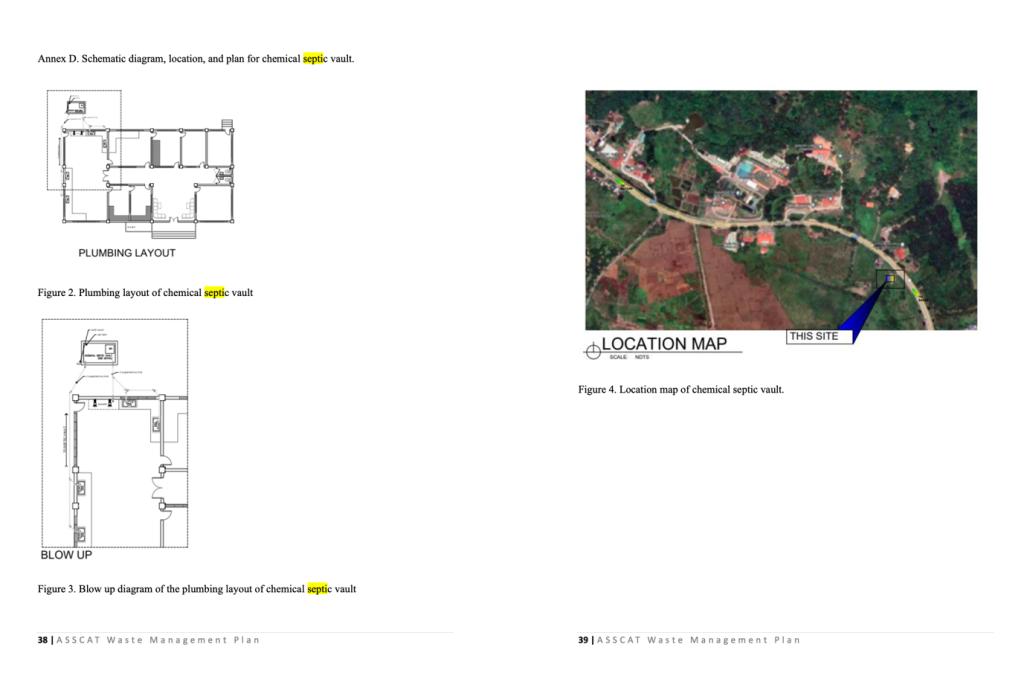
Figure 1. Chemical Septic Vault Diagram / Wastewater Treatment Facility Layout, an excerpt from the ASSCAT Waste Management Plan.
6.3.2 Water Usage and Care: Preventing Water System Pollution
Does your university as a body have processes to prevent polluted water entering the water system, including pollution caused by accidents and incidents at the university?
Yes, the Agusan del Sur State College of Agriculture and Technology (ASSCAT) upholds its commitment to Sustainable Development Goal (SDG) 6 – Clean Water and Sanitation through the responsible management of water usage and the prevention of water pollution across its campus facilities. Recognizing that ordinary academic and laboratory activities may inadvertently contribute to water contamination, the institution implements proactive measures to ensure that its operations do not compromise the quality of its water systems or the surrounding environment.
Within the university compound, potential sources of water contamination include improper waste disposal, laboratory chemical spills, and inadequately maintained drainage systems. To mitigate these risks, ASSCAT promotes environmental awareness and sustainable water management practices among students, faculty, and staff. Initiatives such as proper waste segregation, regular laboratory monitoring, and the maintenance of environmentally friendly facilities play a crucial role in safeguarding water quality for the entire campus community. The Chemistry Laboratory, for instance, follows a strict protocol ensuring that chemical wastes are never disposed of directly into water sources or drainage lines.
In line with this policy, the Chemistry Laboratory implements a well-structured Waste Management Plan that emphasizes protection, safety, and environmental compliance. After each laboratory activity, chemical wastes are carefully segregated and transferred to a designated, well-ventilated hazardous waste storage area. Personnel strictly adhere to safety protocols, including the use of personal protective equipment (PPE) during waste handling.
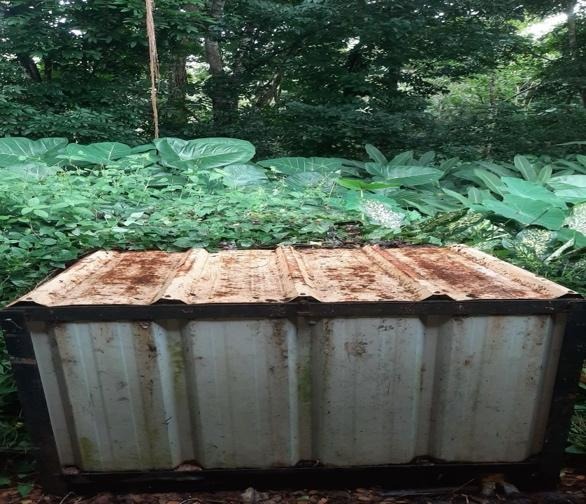
Wastes are stored in a Chemical Vault located outside the laboratory, safely distanced from water sources and drainage systems. The vault separates inorganic and organic compounds, preventing chemical interaction and leakage. Once the storage vault approaches full capacity, the University coordinates with a licensed transporter to ensure that the wastes are conveyed to an accredited treatment facility for proper disposal. This systematic process ensures that no chemical residue contaminates the college’s water sources.
‘
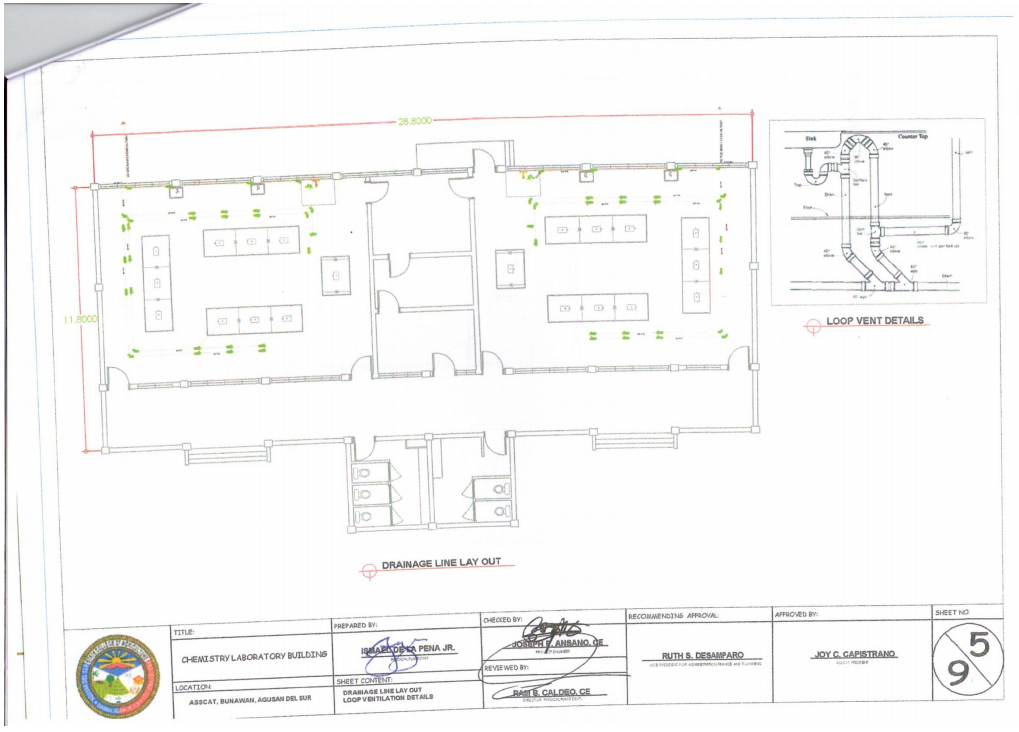
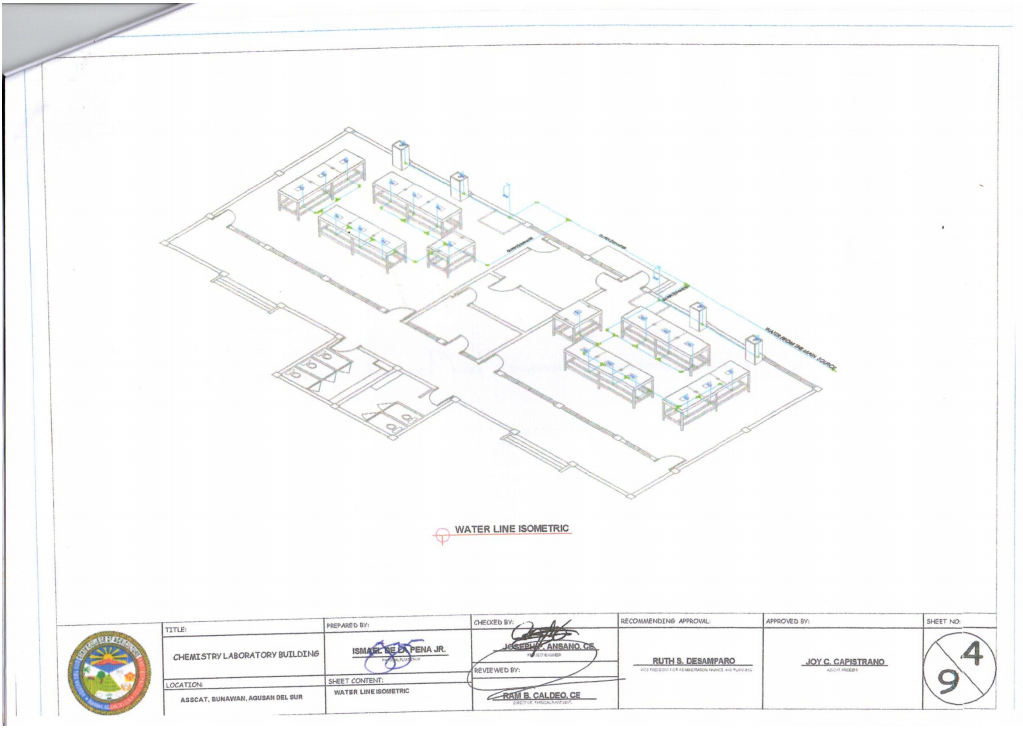
Figure 4:Drainage Line Layout – directing wastewater away from clean water zones. Designing and maintaining an efficient drainage system—complete with proper slope, sealed connections, and segregation. Laboratory users are prohibited from putting waste chemicals
Similarly, the Biology Laboratory enforces a stringent waste management procedure that supports the prevention of water pollution. Expired and used chemical reagents are securely sealed, properly labeled, and stored in a designated containment area. Laboratory personnel and students are explicitly instructed not to dispose of chemical substances in sinks or drainage systems. Instead, wastes are collected in leak-proof containers and turned over to a licensed transporter for safe transfer to an authorized facility for treatment and disposal. This practice ensures compliance with environmental standards while protecting the integrity of the campus water network.
The campus also upholds comprehensive engineering and design measures that strengthen water protection. The Water Line Isometric Plan ensures that the distribution of treated water from the source remains uncontaminated throughout the delivery system. Meanwhile, the Drainage Line Layout directs wastewater away from clean water zones through properly sloped, sealed, and segregated drainage lines. Regular maintenance and inspection are conducted to prevent leaks and cross-contamination.
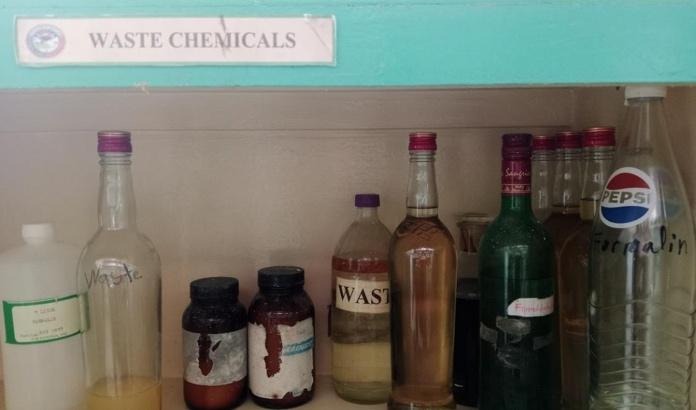
Through these collective measures—policy compliance, laboratory waste management, infrastructure design, and stakeholder participation—ASSCAT continues to strengthen its role as a sustainable academic institution. Its initiatives under SDG 6 highlight a deep institutional commitment to water conservation, pollution prevention, and the responsible stewardship of natural resources. By integrating scientific practice with environmental awareness, ASSCAT ensures that its water systems remain safe, efficient, and sustainable for both present and future generations.
6.3.3. Free Drinking Water
Does your university as a body provide free drinking water for students, staff and/or visitors, e.g. drinking water fountains)?
Yes, the Agusan del Sur State College of Agriculture and Technology (ASSCAT) has established a clear and systematic process for managing and treating wastewater as part of its broader commitment to sustainability, environmental protection, and compliance with national sanitation standards. By integrating wastewater treatment practices within its campus-based water purification and resource management systems, ASSCAT demonstrates strong alignment with Sustainable Development Goal 6: Clean Water and Sanitation, particularly its emphasis on protecting water sources, ensuring safe water management, and reducing contamination.
Although the heart of ASSCAT’s water management initiative is its on-site water purification and refilling facility—which provides free, clean drinking water to all students, faculty, and staff—the system also incorporates structured sanitation measures that directly contribute to wastewater control and treatment. The facility employs multi-stage filtration and reverse osmosis technologies to produce potable water. During this purification process, wastewater byproducts—generated from membrane backwashing, sediment flushing, and filter cleaning—are not released untreated into the environment. Instead, they are directed into a designated wastewater holding and treatment pathway, where they undergo preliminary screening and natural sedimentation. This ensures that solid residues, mineral deposits, and filter rejects are captured before the wastewater is safely released or reused for non-potable purposes such as irrigation or general cleaning within maintenance areas.
To maintain the efficiency of this wastewater management process, ASSCAT implements regular system inspections and scheduled maintenance performed by trained technical personnel. These include the cleaning of purification filters, monitoring of wastewater discharge quality, and adherence to sanitation protocols that ensure environmental safety. The refilling area also follows strict hygienic procedures—such as the cleaning of containers and the proper disposal of wash-water—to prevent contamination of soil and groundwater. Through this structured system, wastewater never enters the environment untreated; it passes through managed stages that protect water bodies, groundwater sources, and the general surroundings of the campus.
In addition, the Free Drinking Water Program plays an important role in reducing environmental waste overall. By producing its own purified water and encouraging the use of reusable containers, ASSCAT lowers the reliance on commercial bottled water, thereby decreasing the volume of plastic waste and the wastewater generated from single-use packaging. This integrated approach reflects the college’s commitment to responsible resource management, circular environmental practices, and long-term protection of water quality both within and beyond the campus boundaries.
Overall, ASSCAT’s wastewater treatment process is in place and fully functional by 2024. It ensures that water used within the purification facility is safely managed, contaminants are removed, wastewater is properly treated, and disposal follows environmental standards. This commitment positions ASSCAT as a responsible institution that upholds health, sustainability, and ecological stewardship as key pillars of its operations.
Evidence:
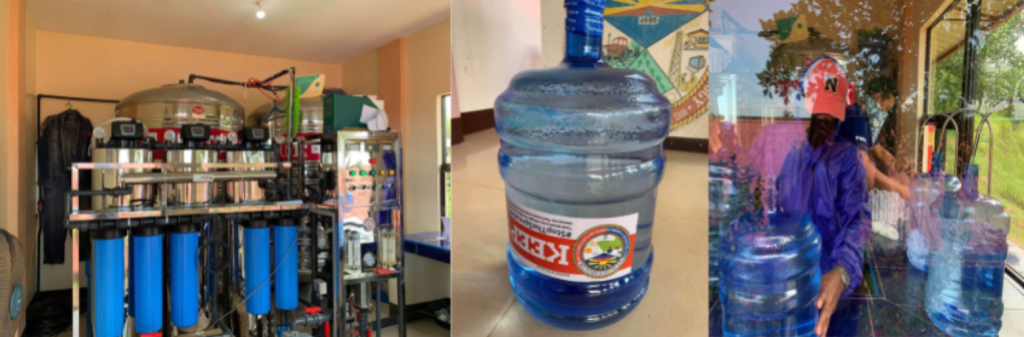
Figure 1. Refilling purified water into a clean container using the campus Water Purifying Machine, ensuring safe and potable drinking water for the ASSCAT community.
6.3.4 Water-Conscious Building Standards
Does your university as a body have a policy to maximise water reuse across the university?
Yes, the Agusan del Sur State College of Agriculture and Technology (ASSCAT) applies water-conscious building standards and infrastructure guidelines to minimize water consumption across campus facilities. These standards align with national environmental and construction requirements, particularly those promoting sustainable water management, efficient resource use, and reduction of water waste in institutional operations.
As part of these standards, ASSCAT integrates Water Conservation and Recycling Programs into its building design, retrofitting, maintenance, and daily operational practices. The institution prioritizes the adoption of systems and facilities that significantly reduce potable water use through sustainable engineering and structural solutions.
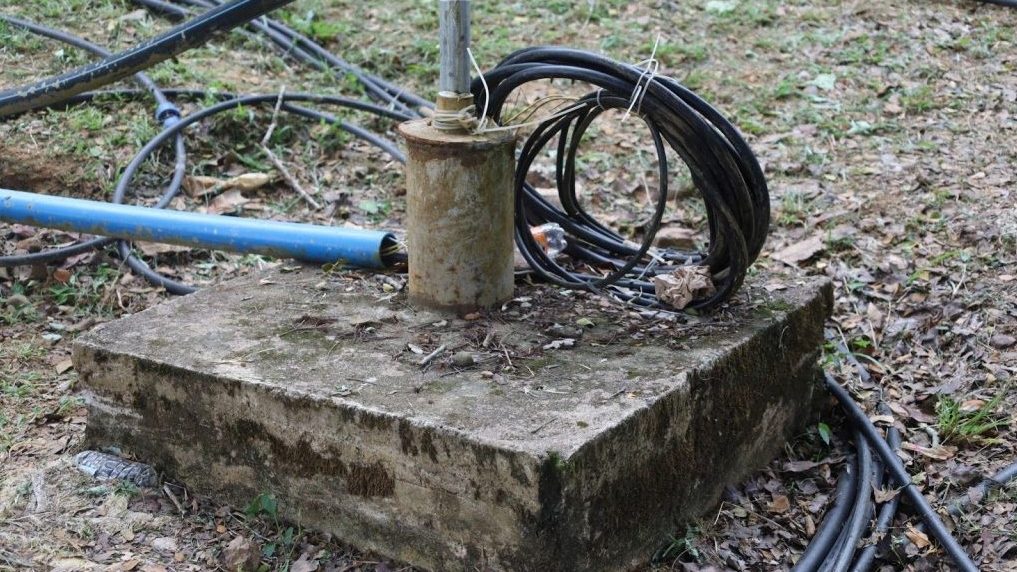
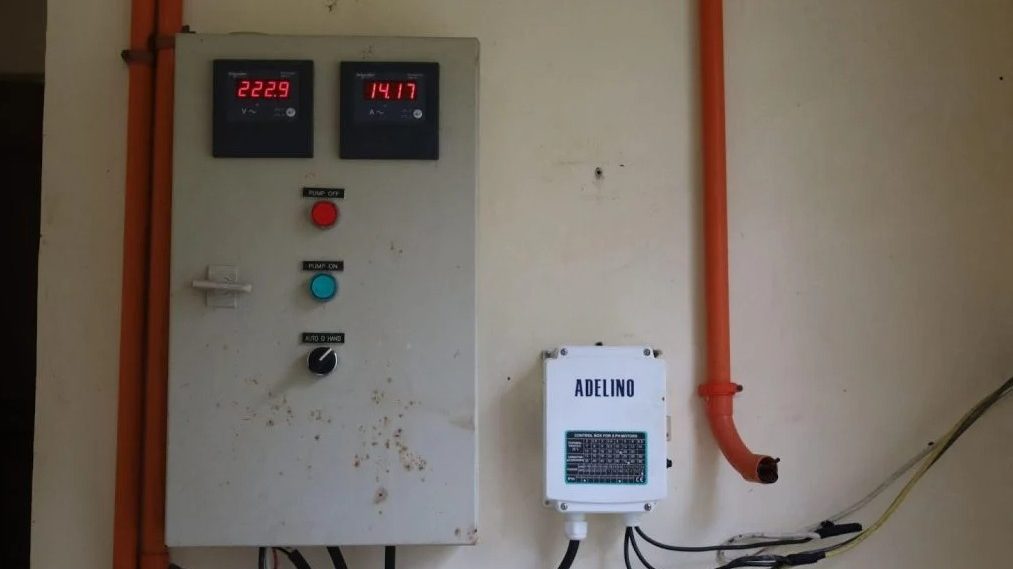
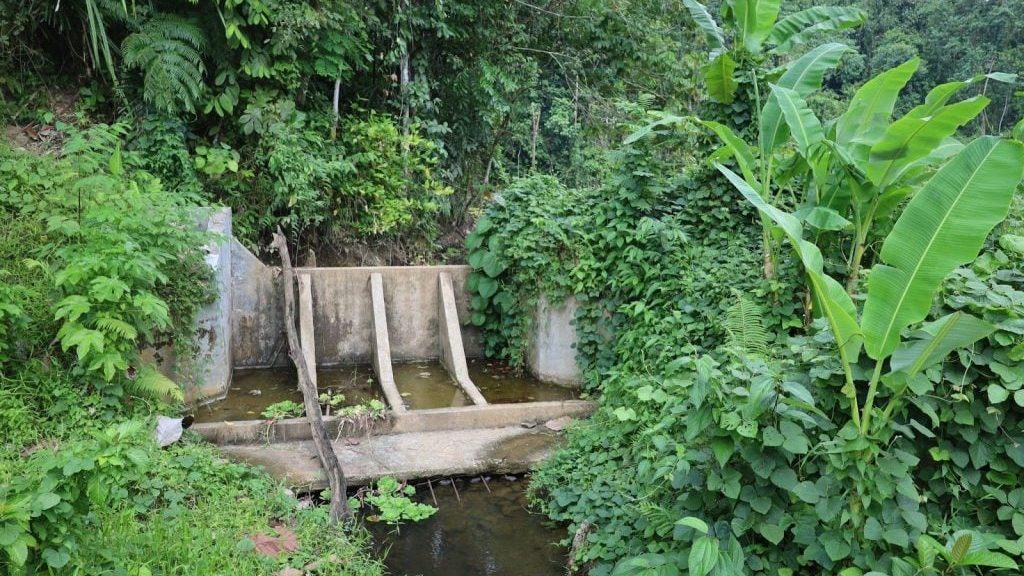
A key component of this standard is the use of a deep well and central pump system connected to a primary reservoir, which serves as the main water source for campus-wide operations. To improve efficiency and reduce overuse of potable water, ASSCAT maintains a separate non-potable water reservoir designed to store water collected from dams, creeks, and mountain rivers. This water is used for toilet flushing, garden irrigation, and other non-potable applications, reducing demand on the main water supply and exemplifying the institution’s adherence to water-efficient building practices.
In line with sustainable building standards, ASSCAT has also constructed rainwater harvesting systems, including rainwater collectors and elevated storage tanks, to capture stormwater from building roofs and other surfaces. These systems reduce dependency on the deep well, augment water needs during emergencies, and ensure a consistent supply of water during the rainy season. This structure supports both national green building principles and SDG-aligned water conservation methods.
To monitor consumption and reinforce responsible use, the institution employs a campus-wide water meter system that tracks water usage in various buildings. This aligns with building standard protocols requiring monitoring tools to detect leaks, inefficiencies, and unusually high consumption.
Furthermore, ASSCAT has installed a comprehensive water purification and filtration system that ensures all water used for drinking, cooking, and essential activities meets health and safety standards. Treated water is distributed through an integrated delivery system across campus buildings, reducing reliance on external water suppliers and minimizing risk associated with contaminated sources.
Through these combined strategies—rainwater harvesting tanks, water recycling systems, purification technologies, and monitoring tools—ASSCAT ensures that its buildings operate under sustainable standards that minimize water use and maximize resource efficiency. By institutionalizing these practices, the college directly contributes to SDG 12: Responsible Consumption and Production, particularly in the areas of water resource management and sustainable infrastructure development.
Evidence:
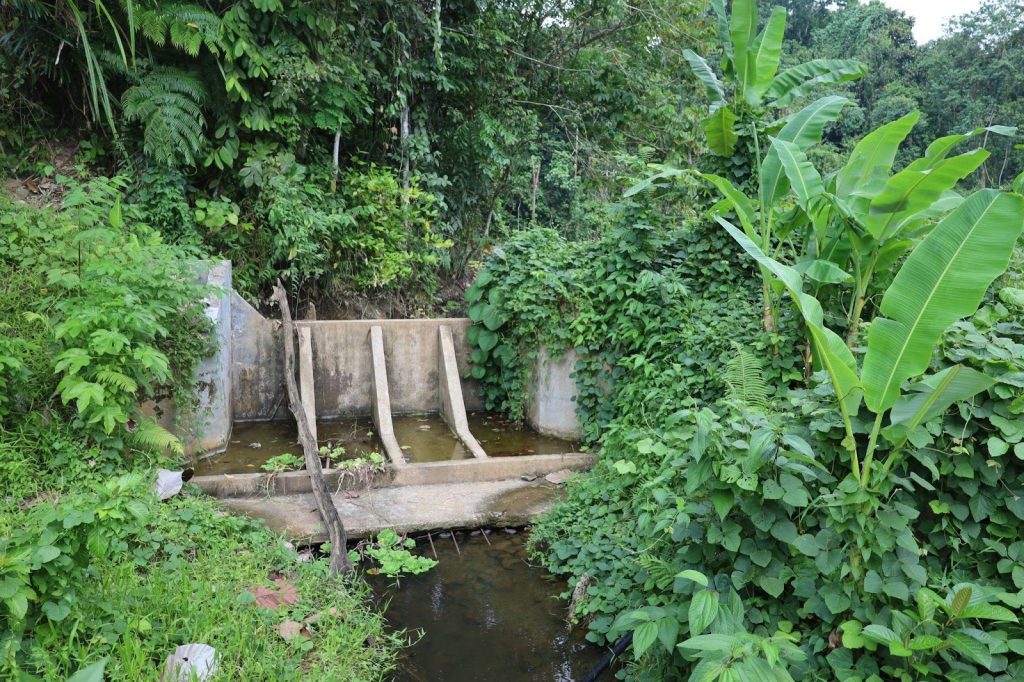
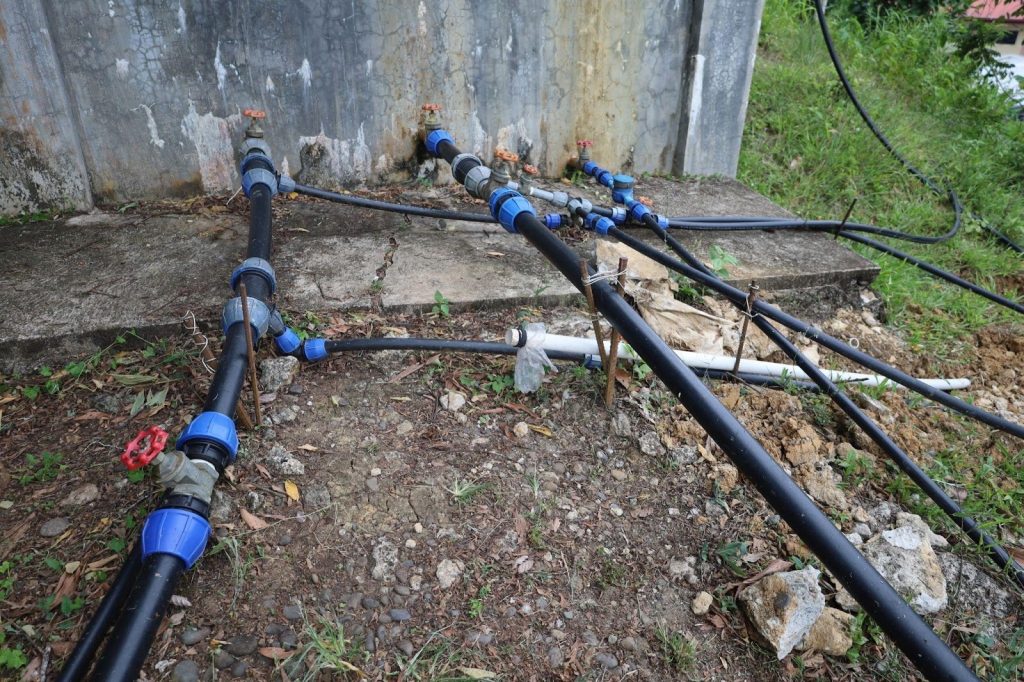
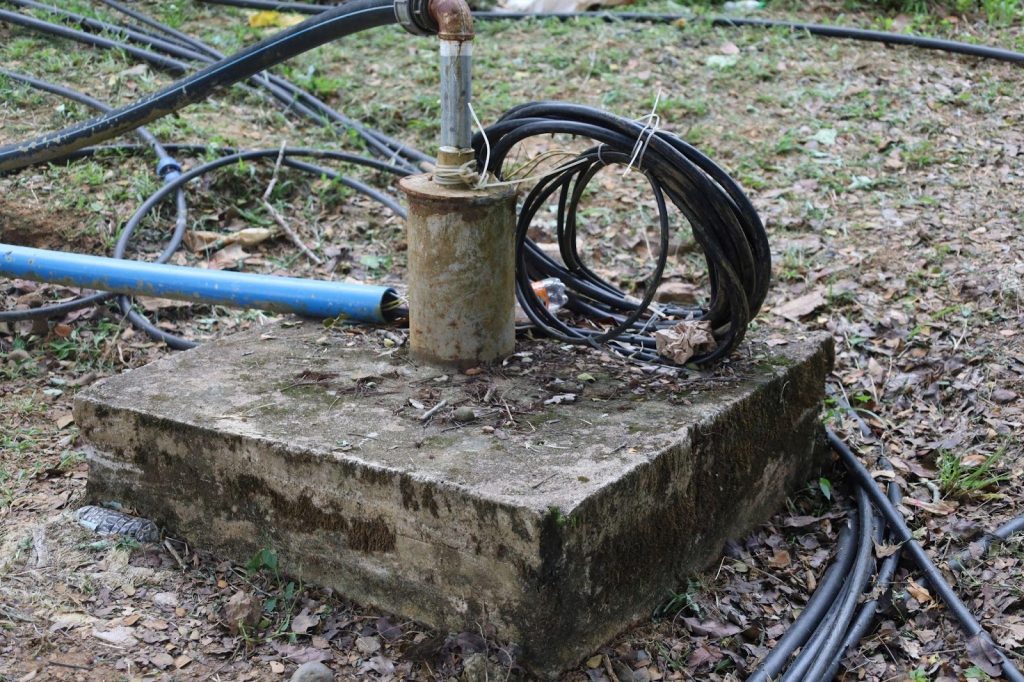
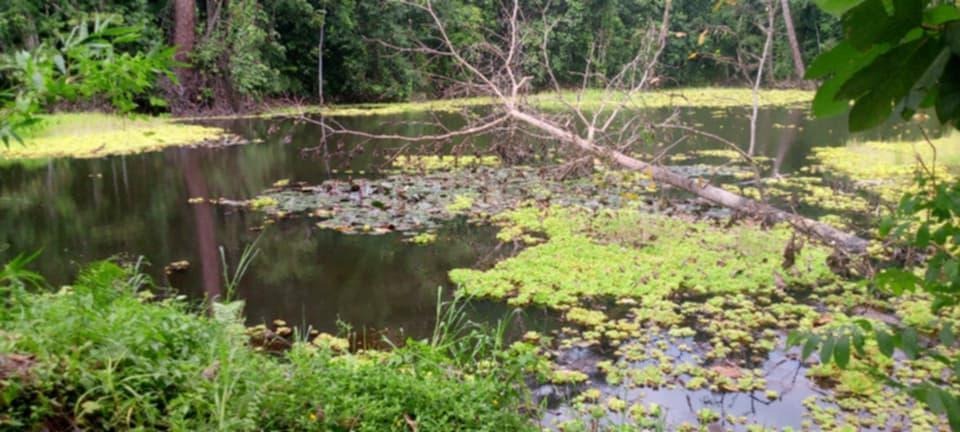
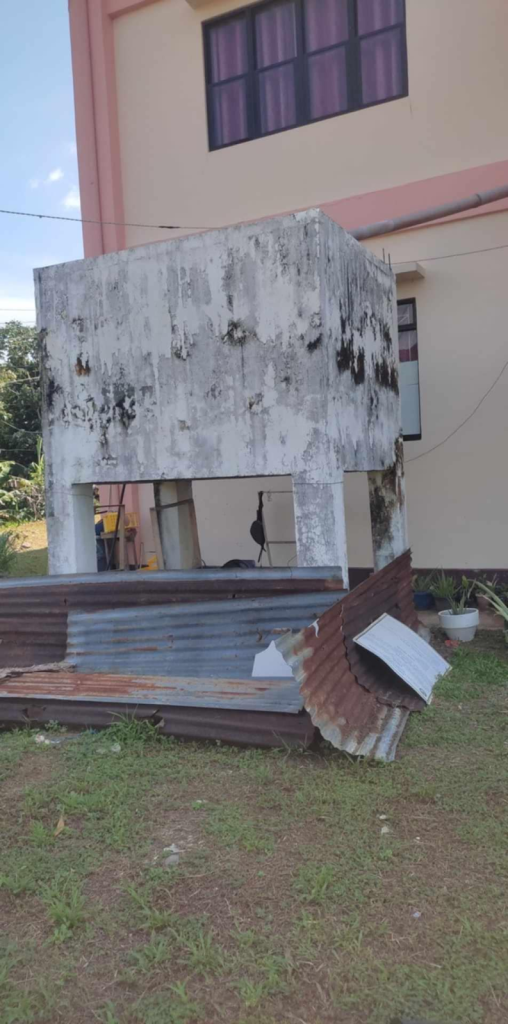
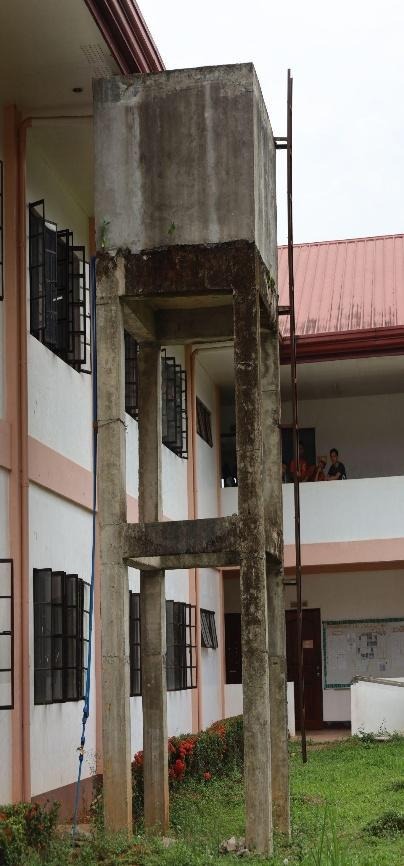
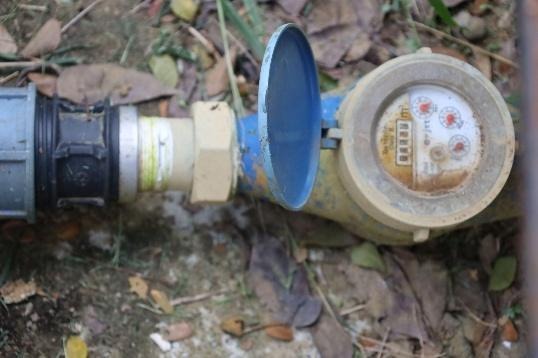
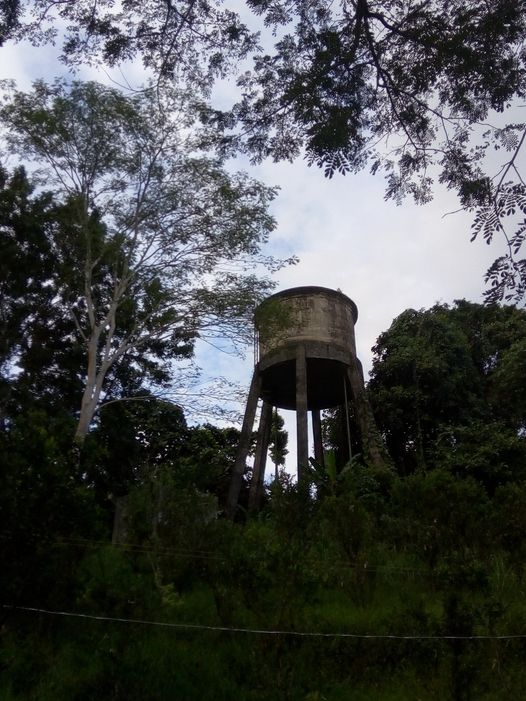
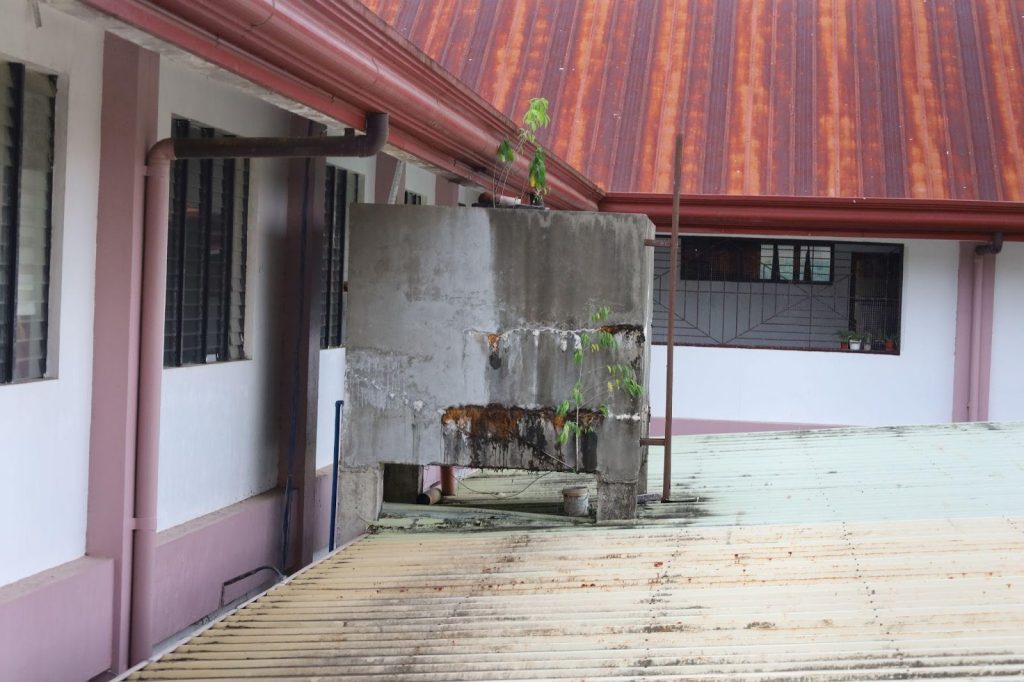
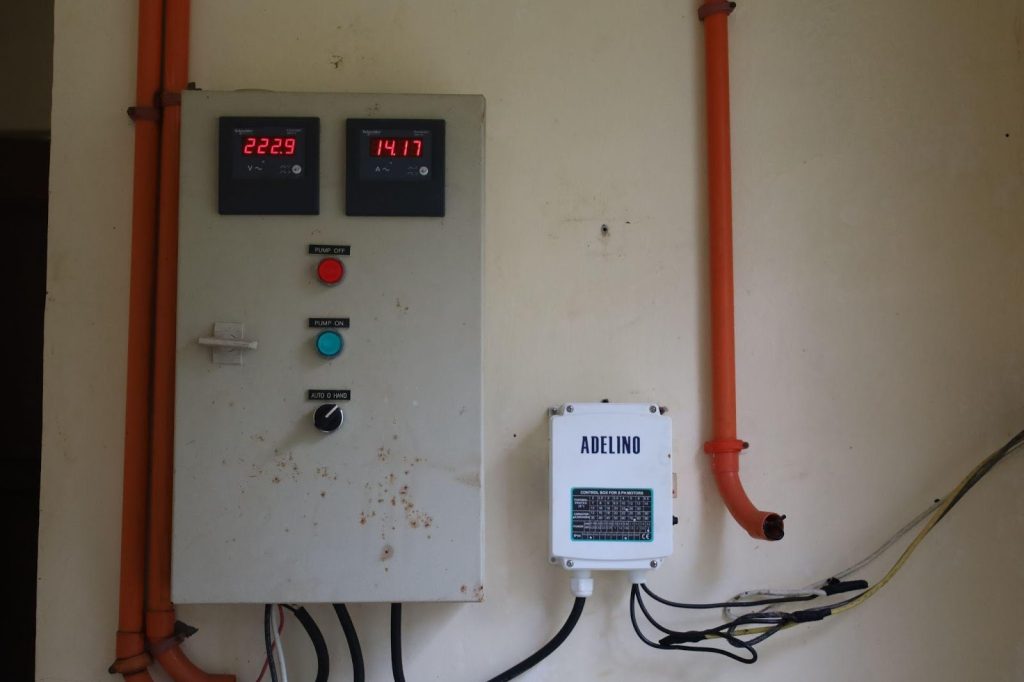
Figure 1. Rainwater harvesting tanks and water collection infrastructure installed in ASSCAT buildings, demonstrating the institution’s adherence to water-conscious building standards aimed at minimizing potable water use.
6.3.5 Water-Conscious Planting
Does your university as a body plant landscapes to minimise water usage? (e.g. use drought-tolerant plants)
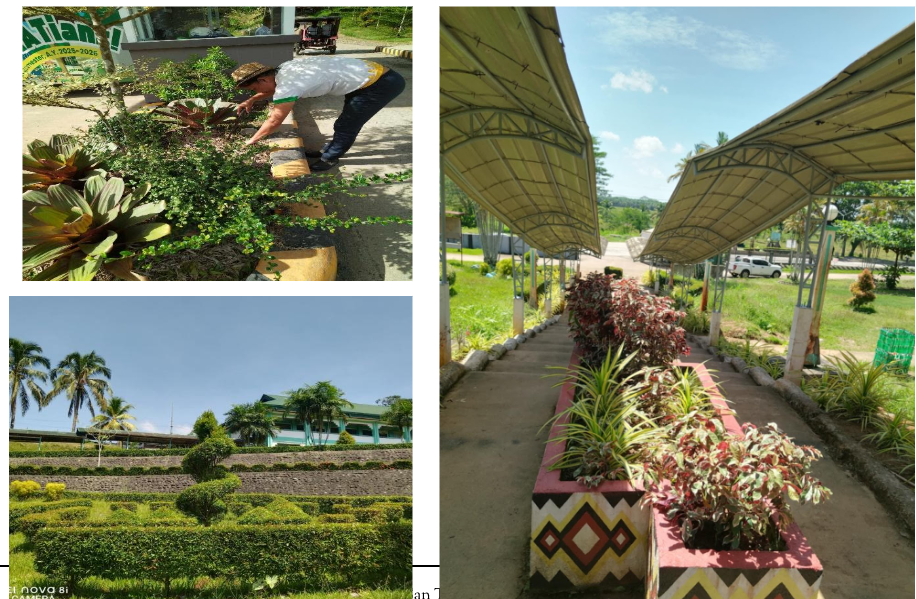
Yes, the Agusan del Sur State College of Agriculture and Technology (ASSCAT) implements a water-efficient landscaping program as part of its broader sustainability and environmental stewardship initiatives. Established prior to 2024, this program ensures that the campus maintains a green and attractive environment while minimizing water consumption and promoting responsible resource use.
Under the institution’s Water-Conscious Planting strategy, ASSCAT integrates various practices designed to conserve water and promote long-term landscape sustainability. The college prioritizes the planting of drought-tolerant and native species—including bougainvillea, golden duranta, and santan—which thrive in local climatic conditions with minimal irrigation. To maximize water efficiency, the institution applies hydrozoning techniques, grouping plants based on their water requirements so that irrigation is applied only where and when needed.
Recognizing that water is one of the planet’s most vital natural resources, the Agusan del Sur State College of Agriculture and Technology (ASSCAT) actively promotes water-conscious planting as part of its sustainable campus initiatives. This program ensures that water resources are utilized efficiently while maintaining a healthy and green campus environment. By implementing water-efficient landscaping practices, the institution conserves natural resources, reduces water and energy consumption, minimizes air pollution, and lowers maintenance costs.
In adopting this approach, ASSCAT selects drought-tolerant and native plant species such as bougainvillea, golden duranta, and santan, which thrive with minimal watering. The institution also practices hydrozoning—the method of grouping plants according to their water requirements—to optimize irrigation efficiency. Moreover, the college encourages deep-root watering techniques, where plants are watered thoroughly but less frequently to promote stronger root growth and better drought resistance.
To further reduce tap water usage, collected rainwater is used for watering plants whenever possible. This not only reduces reliance on municipal water systems but also helps manage stormwater runoff on campus. These combined efforts demonstrate ASSCAT’s commitment to sustainable landscaping and environmental responsibility. Through its water-conscious planting and conservation initiatives, the institution directly contributes to the realization of SDG 6 (Clean Water and Sanitation) by promoting water stewardship, sustainability, and responsible resource management within the campus community.
Evidence:
Indicator 6.4.1 Water Reuse Policy
Does your university as a body have a policy to maximise water reuse across the university?
Water Reuse Policy and Implementation at ASSCAT
Yes, the Agusan del Sur State College of Agriculture and Technology (ASSCAT) has established a comprehensive framework for environmental sustainability, emphasizing the responsible management of natural resources, including water. Recognizing that water is a critical resource for both human and ecological health, ASSCAT has, by 2024, implemented a policy aimed at maximizing the reuse and recycling of water across its campuses. Water reuse, in this context, refers to the practice of reclaiming treated wastewater—originating from sinks, showers, dishwashers, and washing machines—and redirecting it for beneficial purposes such as agricultural and landscape irrigation, toilet flushing, industrial processes, and groundwater replenishment. This practice is in line with global sustainability standards, which encourage the recycling of water to reduce the pressure on freshwater resources and to promote environmental stewardship.
The Water Reuse Policy forms an integral part of the ASSCAT Waste Management Plan (WMP), which was formally reviewed and updated during the period 2021–2025. The WMP provides an overarching framework for managing all forms of waste generated by the college, emphasizing reduction at source, segregation, recycling, and recovery of materials wherever feasible. Within this framework, the policy explicitly promotes the reuse of water in campus operations as part of broader environmental management practices. In addition to water, the WMP addresses biodegradable, non-biodegradable, residual, hazardous, e-waste, and special wastes, detailing procedures for safe handling, treatment, and disposal.
The policy encourages multiple layers of implementation, involving all members of the ASSCAT community—students, faculty, administrative staff, and service providers. For instance, laboratory personnel are guided to adopt water-efficient experimental procedures, recover and reuse solvents, and minimize chemical and water consumption through microscale experimentation. Similarly, campus facilities management ensures that recycled water is utilized for landscaping and toilet flushing wherever technically feasible, reducing the college’s overall freshwater consumption. Food service providers and other operational units are also guided to support water reuse initiatives, including promoting water fountains instead of bottled water, capturing wash water for irrigation, and integrating water conservation strategies into daily operations.
ASSCAT’s Water Reuse Policy aligns with the institution’s broader sustainable development goals, supporting both environmental and social responsibilities. By reclaiming and reusing water, the college not only minimizes its ecological footprint but also sets a practical example for students and the surrounding community in responsible resource management. The policy is continuously monitored and reviewed through data collection, waste audits, and site-specific assessments to ensure efficiency, compliance, and opportunities for improvement. Through the integration of water reuse practices with broader waste management strategies, ASSCAT demonstrates a commitment to ecological balance, sustainability, and environmental education, fostering a culture of conservation and stewardship among all stakeholders.
The 2023 Waste Management Plan also aligns with national mandates, such as RA 9003 (Ecological Solid Waste Management Act of 2000), and local ordinances, ensuring that all water reuse initiatives are consistent with regulatory requirements. By embedding water reuse into the college’s operational policies and encouraging the community to actively participate, ASSCAT exemplifies a sustainable approach to campus resource management.
The evidence of ASSCAT’s formal policy on water reuse is presented in the Waste Management Plan (2023), which outlines the institutional guidelines, operational roles, and monitoring mechanisms for ensuring the maximum reuse of water across campus activities. The policy was both created and reviewed in 2023, fulfilling the requirement for a policy within the 2021–2025 period.
Evidence: https://drive.google.com/file/d/17YIGZiD0iy8JE21ye564-Mboax5lLMQJ/view?usp=drive_link
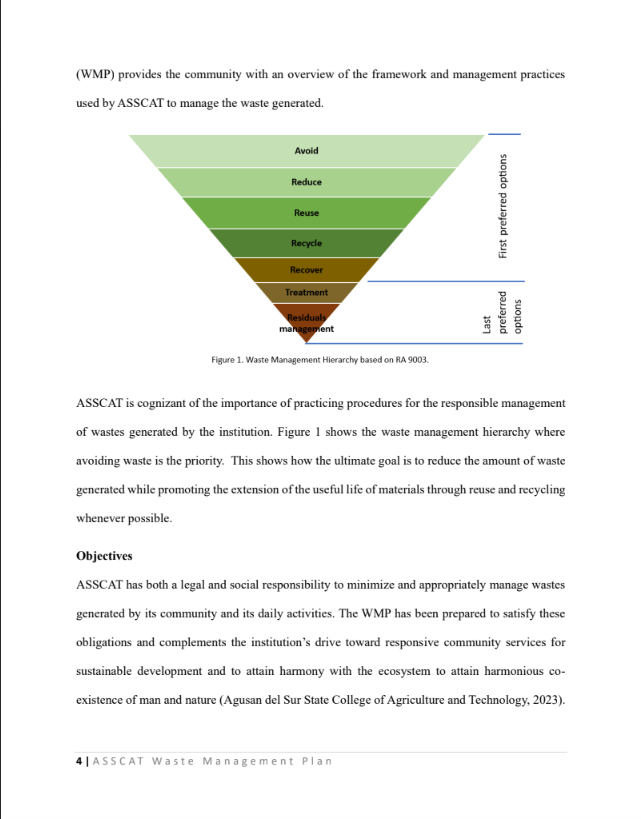
Figure 1. Waste Management Hierarchy at ASSCAT, highlighting the prioritization of water reuse and recycling as central to sustainable campus operations
Indicator 6.4.1 Water Reuse Measurement
Does your university as a body measure the reuse of water across the university?
Yes, the Agusan del Sur State College of Agriculture and Technology’s (ASSCAT) strategic implementation of a rain collector system, a cornerstone of the institution’s commitment to Sustainable Development Goal (SDG) 6: Clean Water and Sanitation. This infrastructure reflects a proactive approach to water conservation, demonstrating how an educational institution can integrate sustainability into both operational practices and educational missions. The rain collector system functions not merely as a technological installation but as a critical component of the college’s holistic water management strategy, enabling efficient capture, storage, and reuse of rainfall on campus.
By diverting and storing rainwater, ASSCAT effectively reduces its dependence on municipal water systems and groundwater sources. This practice plays a significant role in protecting local aquifers, mitigating the risk of over-extraction, and safeguarding water availability for surrounding communities. In doing so, ASSCAT directly addresses Target 6.4 of SDG 6, which emphasizes substantially improving water-use efficiency across all sectors, ensuring the sustainable withdrawal and supply of freshwater, and promoting resilience against water scarcity. The system also aligns with principles of environmental stewardship, serving as a model of how institutions can balance operational needs with ecological responsibility.
The practical applications of the captured rainwater underscore its value in institutional water management. Collected water is repurposed for non-potable uses such as irrigation for campus greenery, toilet flushing, and general cleaning. This structured approach to water reuse reduces demand on treated freshwater supplies, enhances operational efficiency, and demonstrates how resource optimization can be applied systematically at an organizational level. In regions experiencing seasonal water stress or heightened demand on water infrastructure, such strategies are essential for ensuring long-term water security while minimizing environmental impact. Furthermore, by institutionalizing rainwater recycling, ASSCAT positions itself as a leader in sustainability, offering a replicable model for other universities, colleges, and local government units seeking to implement similar water-conservation initiatives.
Beyond operational benefits, the rain collector system serves an educational and research function. It operates as a living laboratory, providing students and faculty with direct exposure to sustainable water management practices, hydraulic engineering principles, and environmental science applications. This hands-on learning experience enriches the academic curriculum by integrating theoretical knowledge with practical implementation. Additionally, the system facilitates SDG 6.4.2 (Water Reuse Measurement), as it allows the college to quantify the volume of water collected, reused, and conserved on an annual basis. By systematically tracking these metrics, ASSCAT ensures accountability, communicates its measurable environmental contributions, and cultivates a culture of water stewardship within the campus community.
Through the integration of infrastructure, operational strategy, and educational engagement, ASSCAT’s rain collector system exemplifies a multi-dimensional approach to sustainability. It demonstrates that water management at an institutional scale is not only about reducing consumption but also about fostering environmental consciousness, enhancing resilience to water scarcity, and promoting community well-being. By aligning practical implementation with measurable outcomes, the college contributes to the broader goal of sustainably managed water resources in the region, setting a benchmark for other institutions and reinforcing its role as a proactive agent of environmental sustainability and social responsibility.
Evidence:
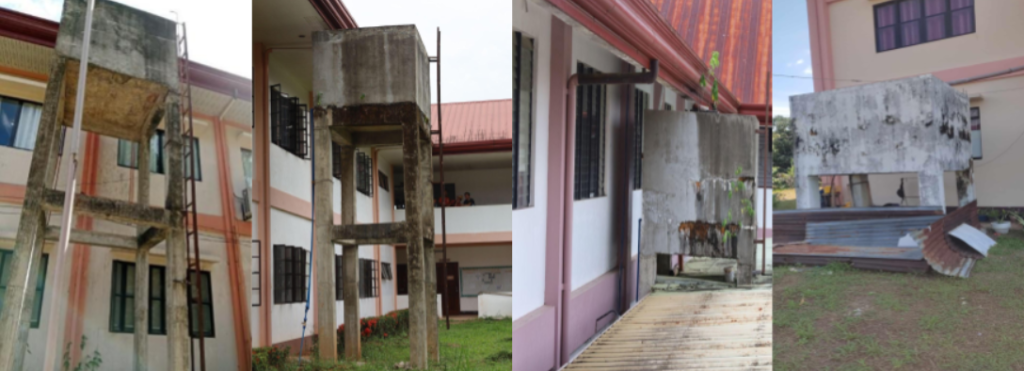
Figure 1. ASSCAT Rainwater Harvesting System
Indicator 6.5.1 Water Management Educational Opportunities
Does your university as a body provide educational opportunities for local communities to learn about good water management?
Yes, the Agusan del Sur State College of Agriculture and Technology (ASSCAT) continues to uphold its role as a leader in environmental stewardship, promoting sustainable practices on campus and in surrounding communities. In alignment with Republic Acts 9003 and 9512, the College actively implements responsible waste management, water conservation, and pollution prevention programs. Through awareness campaigns, workshops, and hands-on demonstrations on waste segregation, composting, recycling, and greywater reuse, ASSCAT helps reduce water contamination and strengthens community resilience.
In support of these initiatives, ASSCAT celebrates World Migratory Bird Day and World Wetlands Day, emphasizing the critical relationship between healthy wetlands and the survival of migratory birds. The celebration features friendly competition with participants from selected STEM and GAS Senior High Schools, as well as a Symposium where experts provide insights on avian biodiversity, migration patterns, and habitat conservation. These activities aim to foster environmental awareness and inspire students to value the ecosystems that sustain wildlife.
World Wetlands Day highlights the vital functions of wetlands, including water storage, flood control, water purification, and food security, while also serving as nurseries for fish and sanctuaries for migratory species. Through these observances, ASSCAT reaffirms its commitment to protecting and restoring wetlands and wildlife habitats. By integrating education, community engagement, and environmental action, the College continues to promote a sustainable and resilient future for both people and nature.
6.5.3 Off-Campus Water Conservation Support
Does your university as a body support water conservation off campus?
Yes, the Agusan del Sur State College of Agriculture and Technology (ASSCAT) demonstrates its commitment to environmental stewardship not only within its campuses but also in supporting water conservation initiatives in the surrounding communities. While formal off-campus programs may still be in development, the university actively fosters research, outreach, and applied projects that contribute to water sustainability in nearby municipalities.
One notable avenue of support is through student-led research, particularly thesis and capstone projects that focus on water treatment, quality assessment, and sustainable water management practices. Students engage in activities such as water sampling from local rivers, streams, and community water sources, followed by laboratory analysis to measure key indicators like pH, turbidity, microbial contamination, and chemical pollutants. These projects provide empirical data that can be shared with local communities to guide informed water use, pollution mitigation, and conservation strategies.
Beyond technical research, ASSCAT encourages students to develop practical interventions, including the design and testing of small-scale water treatment systems and eco-friendly filtration techniques. Such initiatives not only enhance students’ scientific and problem-solving skills but also serve as pilot programs that can be adapted for broader community use. In some instances, findings from these student projects have been presented to local government units, community organizations, or school programs, helping raise awareness about the importance of clean water and responsible water consumption.
Through these activities, ASSCAT leverages its academic expertise to support water conservation off-campus, fostering a culture of environmental responsibility and participatory learning. While direct large-scale community programs are still emerging, the ongoing engagement of students in water-focused research and practical interventions reflects the university’s proactive role in promoting sustainable water practices, providing both knowledge and tangible solutions that benefit the broader Agusan del Sur community.
Evidence:
Indicator 6.5.4 Sustainable Water Extraction
Does your university as a body, where water is extracted (for example from aquifers, lakes or rivers), utilise sustainable water extraction technologies on associated university grounds on and off campus?
Yes, ASSCAT plans to launch a Sustainable Water Extraction initiative to strengthen its commitment to responsible water management, in alignment with Sustainable Development Goal 6, which emphasizes the sustainable use of water and sanitation for all. Recognizing the potential risks of over-extraction and inefficient water use, the institution aims to establish monitoring systems for wells, rivers, and other local water sources to ensure withdrawals remain within sustainable limits. Future efforts will include the development of guidelines and schedules for water extraction that balance the institution’s operational and agricultural needs with environmental protection, safeguarding both ecosystem stability and community water availability.
To promote efficiency and sustainability, ASSCAT intends to integrate water-saving technologies, climate-resilient irrigation methods, and soil–water conservation practices into its future operations. The institution also plans to support research on sustainable extraction techniques, including studies on the environmental impacts of water depletion and innovative solutions to optimize water use. These initiatives are designed to foster a culture of evidence-based decision-making, enabling the institution and its stakeholders to adopt long-term conservation practices.
Looking beyond the campus, ASSCAT envisions collaborating with local communities, farmers’ associations, and government units to extend sustainable extraction practices to the surrounding region. Through technical guidance, capacity-building, and awareness campaigns, the institution aims to encourage responsible water management at the community level, contributing to the protection of water quality and availability. By implementing these forward-looking initiatives, ASSCAT seeks to ensure that both its internal needs and the broader regional water resources are managed sustainably for present and future generations.
Indicator 6.5.5 Cooperation on Water Security
Does your university as a body cooperate with local, regional, national or global governments on water security?
Yes, the Agusan del Sur State College of Agriculture and Technology (ASSCAT) demonstrates active cooperation with government-affiliated institutions to promote water security, protect water resources, and prevent water pollution. In 2024, ASSCAT maintained a formal Memorandum of Agreement (MOA) with the Valentina Galido Plaza Memorial Hospital (VGPMH)—a government-managed institution—establishing shared responsibilities for the proper disposal, treatment, and management of toxic, hazardous, and infectious wastes generated from the college’s laboratories.
This partnership directly contributes to water security by ensuring that laboratory chemicals, hazardous substances, and infectious agents do not enter the campus drainage system, groundwater, or nearby water bodies. Under the MOA, ASSCAT is permitted to use VGPMH’s septic vault facilities for temporary disposal, while the hospital provides proper treatment and final disposal services compliant with national environmental laws, including Republic Act 9003 (Ecological Solid Waste Management Act of 2000) and Republic Act 6969 (Toxic Substances and Hazardous and Nuclear Wastes Control Act of 1990).
Through this cooperation, ASSCAT safeguards the quality of local water systems by preventing chemical infiltration, contamination, and pollution. This aligns with the United Nations’ definition of water security, which emphasizes access to clean water, protection against waterborne pollution, and preservation of ecosystems. By ensuring proper waste handling, the college avoids harmful impacts on surface water and groundwater that could arise from untreated laboratory waste.
Additionally, the ASSCAT Biology Laboratory implements a strict waste management plan that further strengthens this cooperation. All expired chemicals and hazardous laboratory wastes are carefully labeled, sealed, and stored in secure locations. Laboratory personnel are trained to avoid disposing chemicals into sinks or drainage systems. ASSCAT also coordinates with a licensed transporter to deliver all accumulated waste to the accredited treatment facility under the existing MOA, ensuring full compliance with environmental regulations and sustainable waste practices.
These combined efforts reflect the institution’s commitment to environmental protection, public health, and responsible stewardship of water resources. By partnering with a government-regulated hospital and accredited waste treatment facilities, ASSCAT actively contributes to maintaining water quality, mitigating pollution risks, and promoting long-term water security in the surrounding community.
Evidence:
Title: Memorandum of Agreement (MOA) between ASSCAT and Valentina Galido Plaza Memorial Hospital (VGPMH)
Figure 1.Memorandum of Agreement (MOA) between ASSCAT and Valentina Galido Plaza Memorial Hospital (VGPMH), demonstrating institutional cooperation with a government-managed health facility to ensure proper treatment and disposal of hazardous wastes, thereby protecting local water quality and supporting regional water security.
Indicator 6.5.6 Promoting Conscious Water Use (Campus)
Does your university as a body actively promote conscious water usage on campus?
Yes, the Agusan del Sur State College of Agriculture and Technology (ASSCAT) actively fosters conscious water usage on campus, demonstrating its commitment to Sustainable Development Goal 6 (SDG 6: Clean Water and Sanitation) and specifically targeting Conscious Water Use, which focuses on promoting sustainable water use practices within institutional settings. Recognizing the critical importance of water as a finite and essential resource for both human well-being and environmental sustainability, ASSCAT has adopted measures that integrate awareness, behavior change, and practical solutions to reduce water wastage and promote responsible consumption among its campus community.
A prime example of these efforts is observed during Earth Day celebrations, where ASSCAT, through its PRIME-HRM Office, launched a high-impact initiative to distribute reusable water tumblers to every faculty and staff member. This program was designed to actively reduce the reliance on single-use plastics, which are often associated with bottled water, while simultaneously fostering habits of sustainable water consumption. Each tumbler provided to faculty and staff serves as a daily reminder of the importance of careful water use and the broader principles of environmental stewardship. Beyond the immediate reduction in plastic waste, this initiative encourages employees to consciously plan and monitor their water usage, reinforcing the link between personal habits and institutional sustainability goals.
This campaign is not merely a symbolic gesture but forms part of a broader institutional strategy to promote a culture of environmental responsibility. By creating tangible opportunities for faculty and staff to participate in sustainable practices, ASSCAT instills an ethos of resource consciousness that can influence students, visitors, and partner communities. The initiative also aligns with the college’s long-term objectives of reducing overall water demand on campus, improving operational efficiency, and fostering a green, resilient educational environment. Furthermore, these efforts contribute to developing evidence-based practices in water management by providing a model that can be evaluated, improved upon, and potentially replicated by other institutions and local government units.
In essence, ASSCAT’s promotion of conscious water usage integrates education, infrastructure, and behavior change to achieve sustainable outcomes. By equipping the campus community with the tools, knowledge, and motivation to conserve water, the college not only supports the targets of SDG 6 but also positions itself as a leader in environmental stewardship within the region. This approach highlights how relatively small but strategic interventions—like distributing reusable water tumblers—can collectively have a meaningful impact on resource conservation, community awareness, and sustainable development.
Evidence: ASSCAT Earth Day Initiative – Reusable Water Tumblers
Figure 1. Distribution of reusable water tumblers to ASSCAT faculty and staff as part of the campus initiative promote conscious water usage and reduce single-use plastics.
Indicator 6.5.7 Promoting Conscious Water Use (Community)
Does your university as a body actively promote conscious water usage in the wider community?
Yes, ASSCAT plans to extend its efforts in promoting conscious water use beyond the campus by engaging local communities in sustainable water practices. Anchored in Sustainable Development Goal 6 (Clean Water and Sanitation), this initiative aims to raise awareness, build capacity, and encourage behavioral changes that lead to more efficient and responsible water use at the household and community levels. By fostering a culture of water stewardship, ASSCAT seeks to empower communities to conserve resources, protect local water sources, and improve overall water security.
Planned activities include community workshops, training sessions, and information campaigns on water-saving techniques, proper household and agricultural water management, and practical strategies for reducing wastage. The initiative also envisions the promotion of simple, low-cost technologies such as rainwater harvesting, greywater reuse, and efficient irrigation methods that communities can adopt to maximize available resources. By working collaboratively with barangays, farmers’ associations, schools, and local government units, ASSCAT aims to create inclusive programs that ensure sustainable adoption of water-conscious practices.
Through this initiative, ASSCAT seeks to demonstrate that water conservation is a shared responsibility that requires both awareness and action. By equipping communities with the knowledge, skills, and motivation to use water responsibly, the institution contributes to the long-term sustainability of regional water resources, strengthens community resilience to water scarcity, and reinforces its broader commitment to SDG 6 and environmental stewardship.