
SDG 17 Partnerships for the Goals
ASSCAT actively engages in partnerships with local, national, and international institutions to strengthen education, research, and community development initiatives. By fostering collaborative networks, sharing resources, and building strategic alliances, the university enhances its capacity to achieve sustainable development objectives and contribute to collective societal progress.





- Overview
- Indicators and Progress
ASSCAT tracks progress in SDG 17 through indicators such as the number of active institutional partnerships, collaborative research projects, joint community programs, and resource-sharing initiatives. These efforts help maximize impact, promote innovation, and reinforce sustainable development through collective action.
17.1.1 Proportion of output co-authored with low/lower-middle income countries
Papers Co-authored with Low or Lower-Middle Income Countries
Table 1 – Papers Co-authored with Low or Lower-Middle-Income Countries
| Title of Paper / Research Output | Year of Publication | Name of Co-author(s) | Country of Co-author’s Institution | Country Income Classification |
|---|---|---|---|---|
| Socioeconomic Impacts of Mining’s Social Development and Management Program (SDMP) in Barobo, Surigao Del Sur, Philippines Using a Propensity Score Matching Analysis | 2022 | Dr. Nancy S. Doloriel | Philippines | Lower-Middle |
| Assessing Timber Trade Middlemen for Development Policy Actions: A Case Study in the Caraga Region, Philippines | 2022 | Dr. Rodrigo L. Bongolan | Philippines | Lower-Middle |
Summary Data
| Total Poverty-related Papers Published (A) | No. of Papers Co-authored with LMIC Institutions (B) | Proportion of Co-authored Papers (%) | Interpretation |
|---|---|---|---|
| 2 | 2 | (2 ÷ 2) × 100 = 100% | 100% of total poverty-related research output involves collaboration with low or lower-middle-income countries. |
Narrative Summary
In alignment with the Times Higher Education (THE) Impact Rankings 2025 methodology, this indicator assesses the extent of research collaboration between the university and institutions in low or lower-middle-income countries (LMICs). Such collaborations are critical for promoting equitable research partnerships, strengthening research capacity in developing regions, and addressing shared challenges related to poverty and sustainable development.
For the reporting year 2023, the university recorded a total of two poverty-related research papers, both co-authored with scholars from lower-middle-income countries, as detailed in Table 1:
- “Socioeconomic Impacts of Mining’s Social Development and Management Program (SDMP) in Barobo, Surigao Del Sur, Philippines Using a Propensity Score Matching Analysis” (2022) – co-authored with Dr. Nancy S. Doloriel (Philippines, Lower-Middle Income). This study examined the socioeconomic outcomes of mining-led social programs, evaluating their influence on community well-being and sustainable development.
- “Assessing Timber Trade Middlemen for Development Policy Actions: A Case Study in the Caraga Region, Philippines” (2022) – co-authored with Dr. Rodrigo L. Bongolan (Philippines, Lower-Middle Income). This research focused on the economic structure and policy implications of intermediary trade systems in the timber industry, highlighting inclusive policy development and rural livelihood improvement.
Based on these data, the university achieved a 100% proportion of poverty-related papers co-authored with LMIC institutions in 2023. While the number of publications remains modest, it reflects ongoing institutional efforts to foster research collaboration with developing countries. These partnerships enhance knowledge exchange, capacity-building, and context-driven research, contributing directly to SDG 1: No Poverty.
Moving forward, the university plans to expand its research network with low and lower-middle-income countries, aiming to support global academic solidarity and equitable knowledge dissemination, in alignment with THE Impact Rankings 2025 objectives.
17.1.2 Partnerships for the goals: publications
A total of 67 research publications have been identified as directly aligned with the United Nations Sustainable Development Goals (SDGs 1–17). These publications represent a diverse range of disciplines, including agriculture, education, engineering, social sciences, environmental management, health, governance, and technology, showcasing a strong institutional commitment to sustainability, innovation, and social development. Each SDG is supported by research outputs that not only discuss theoretical implications but also provide practical, community-based solutions and scientific advancements. From poverty reduction and food security to climate resilience, peacebuilding, responsible production, and institutional transparency, the research reflects a holistic approach to sustainable development.
Across the SDGs, the institution’s research efforts emphasize real-world application, local relevance, and interdisciplinary problem-solving. Studies connected to SDG 2 tackle hunger and food security through agricultural innovation and poverty analysis. SDG 3 focuses on public health and mental health through the application of machine learning, biomedical investigations, and studies related to pandemics. SDG 4 showcases educational innovations and interventions, while SDG 5 addresses gender empowerment and equitable participation in STEM. Technological and engineering advances supporting renewable energy (SDG 7), industrial innovation (SDG 9), and resilient infrastructure are evident. Meanwhile, SDGs 10 to 16 focus on reducing inequalities, promoting sustainable communities, climate adaptation tools, forest ecosystem protection, and strong governance through political discourse and community narratives. Collectively, these 67 publications form a cohesive body of knowledge that strengthens the institution’s role in advancing sustainable development, providing both academic contributions and tangible societal impact.
SDG 2- ZERO HUNGER
| Publication Title | Author(s) | Journal Details | Year | Description | Reference |
| A Panel Regression Analysis of Poverty Incidence Among South Asian Countries | Mark Vincent T. Cortez | Journal of Higher Education ResearchDisciplines)- 2 citation | 2019 | Economies reflected an industrial progression for human development, sustainable resources and better performance to have an impact in alleviating the poverty prevalence of the entire populace. Thus, the study had used the indexes of Human Development and Competitive Industrial Performance as predictors for poverty incidence across South Asian Countries. Specifically, it directed to generate a panel regression model on the poverty occurrence exhausting the factors as mentioned earlier. Based on the result, almost all of the countries in South Asia have consistently displayed low scores in both HDI and CIP index for more than a decade. The panel regression analysis implicates HDI and CIP can collectively influence poverty incidence. Further, the generated model forecasts an increasing poverty incidence rate for the region. | Link |
| Human Development and Competitive Industrial Performance Index: Predictors of Poverty Incidence Across Countries | Mark Vincent T. Cortez | SDSSU Multidisciplinary Research Journal | 2019 | The occurrence from claiming destitution in the world is higher over the previous estimates have proposed. The main reason is that it has implicitly underestimated the cost of living in most developing countries. Conclusively, the latter indicates that to explain poverty incidence is to consider several explicit dynamics. Economies considered an industrial advancement for a better performance, human development, and resources to have an impact in alleviating poverty incidence of the entire populace. Human Development Index (HDI) ranking and Competitive Industrial Performance (CIP) Index were used in the study as the predictors in determining the poverty incidence. Moreover, it aimed to generate a linear model on the poverty occurrence using these predictors in a given country. Based on the result, these two explanatory variables found to have significant effect on the poverty incidence. | Link |
| Predicting Poverty Incidence Using Human Development & Industrial Performance | Mark Vincent T. Cortez | 1st Africa-Asia Dialogue Network (AADN) International Conference | 2019 | This research presents a prediction model for poverty using economic and social indicators. The findings can be used to identify high-risk areas where hunger, malnutrition, and limited access to nutritious food are more likely to occur. | Link |
The Institution’s contribution to SDG 2 focuses on the socioeconomic dimensions of hunger, emphasizing how poverty, low human development, and weak industrial progress influence the capacity of individuals and communities to access adequate food. Although the studies under this SDG do not focus directly on agriculture, food supply chains, or nutrition programs, they reveal essential underlying causes of hunger that must be addressed for long-term food security. By showing how disparities in income, education, employment, and national productivity affect poverty levels, these publications help build a clearer understanding of why hunger remains prevalent, particularly in developing regions. These works provide a strong foundation for designing local food security initiatives, because understanding poverty patterns allows leaders and communities to identify which populations are most vulnerable to hunger and which interventions are needed to support them.
These studies can be developed into a formal institutional report on Zero Hunger by weaving together the research findings with on-the-ground realities in local communities. Such a report may narrate how economic hardship affects food consumption among families, how educational attainment and employment influence household nutrition, and how communities rely on agriculture, informal labor, or government support to survive. It can also document school-based or community-based feeding initiatives, urban gardening efforts, nutrition education sessions, partnerships with farmers or agricultural agencies, and any livelihood programs promoting food sustainability. By combining research, community engagement, and local data into a single narrative, the institution creates a meaningful contribution to SDG 2—one that acknowledges hunger not only as a matter of food supply, but as a human condition shaped by economic, social, and cultural realities.
SDG 3 – GOOD HEALTH AND WELL-BEING
| Publication Title | Author(s) | Journal Details | Year | Description | Reference |
|---|---|---|---|---|---|
| Predictive Model for Assessing Student Mental Health Risk Based on Academic Data Using Machine Learning Algorithm | Cabusas, Daleon, Maningo, Bustillo, Balighot, Pojas | Journal: Institute of Electrical and Electronics Engineers (IEEE)ISSN: 1057-7149SJR 2024: 2.502 (Q1)H-Index: 346Coverage: 1992–2025 | 2025 | Uses machine learning to predict students’ mental health risks by analyzing academic performance data. This bridges technology, education, and psychological well-being. | Link |
| HPA Axis Dysregulation and Mental Health Outcomes in Filipino Teachers in Marawi during the COVID-19 Pandemic | Gil Vincent M. Ebardo | Journal: African Journal of Biological SciencesISSN: 2663-2187SJR: 0.133 (Q4)H-Index: 5Coverage: 2019-2022 | 2024 | Explores the physiological stress response (HPA axis) in teachers exposed to trauma in post-conflict Marawi, highlighting mental health challenges in conflict-affected areas. | Link |
| Neuroinflammatory Consequences of COVID-19 Psychosocial Well-Being among Filipino Teachers in Marawi: A Cross Sectional Study | Gil Vincent M. Ebardo | Journal: African Journal of Biological SciencesISSN- 26632187SJR 2024-0.133 Q4H-Index- 5Coverage- 2019-2022 | 2024 | Examines how COVID-19 contributes to neuroinflammation, affecting cognitive function and emotional well-being. | Link |
| Serotonin and Dopamine Dysregulation: Unveiling the Toll of COVID-19 on Mental Health among Teachers in Marawi City | Gil Vincent M. Ebardo | Journal: African Journal of Biological SciencesISSN-26632187SJR 2024- 0.133 Q4H-Index- 5Coverage- 2019- 2022 | 2024 | Discusses imbalances in neurotransmitters due to pandemic stress, linking biology to psychological disorders such as depression and anxiety. | Link |
| Exploring the Capabilities of Pristine B84 Nanocluster for Selective NO and N2O Gases Detection Involved to COVID-19: A DFT Analysis | Michael M. Sabugaa | Journal: Journal of Inorganic and Organometallic Polymers and MaterialsISSN: 1574-1443 / 1574-1451SJR 2024: 0.697 (Q2)H-Index: 69Coverage: 1996, 2000-2001, 2023-2025 | 2024 | Develops nanotechnology-based sensors that could detect COVID-related gases, showing innovation in medical diagnostics and public health safety. | Link |
| Evaluating Healthcare Benefits of Senior Citizens through Opinion Mining | James Cloyd M. Bustillo | Journal: 5th International Conference on Image Processing and Capsule Networks (ICIPCN) | 2024 | Uses AI to evaluate health service accessibility—indirectly supporting inclusive, equitable lifelong education. | Link |
The Institution demonstrates a strong contribution to SDG 3 through interdisciplinary research tackling both physical and mental health, particularly in response to crises such as the COVID-19 pandemic and conflict situations. Studies using machine learning to predict student mental health risks offer innovative approaches to early intervention and psychological support within academic institutions. Meanwhile, research focused on teachers in Marawi shows how trauma and prolonged stress alter biological systems such as the HPA axis, making mental health an urgent priority in post-conflict recovery. These works underscore the link between education, conflict, public health, and emotional resilience, demonstrating a compassionate and research-informed response to human suffering.
Additionally, scientific investigations into COVID-19’s neurological impact—such as neuroinflammation, hormonal imbalance, and neural transmitter disruption—provide a deeper understanding of how the pandemic affects both brain and behavior. The inclusion of nanotechnology-based COVID detection methods further emphasizes the institution’s role in advancing health innovation and disease prevention. These studies, when compiled into a comprehensive university report on health and well-being, may include not only academic insights but also community engagement such as mental health awareness seminars, wellness counseling programs, medical missions, partnerships with local health units, and campus-based psychological services. Together, they present a holistic picture of how health research, community care, and scientific innovation support human well-being in both everyday life and times of crisis.
SDG 4 – QUALITY EDUCATION
| Publication Title | Author(s) | Journal Details | Year | Description | Reference |
| Predictive Model for Assessing Student Mental Health Risk Based on Academic Data Using a Machine Learning Algorithm | Jerald Cabusas, Cherry Ann Daleon, Carl Philip Maningo, James Cloyd Bustillo, Bernie Balighot, Patrick Jasson Pojas | Journal: Institute of Electrical and Electronics Engineers (IEEE) ISSN: 1057-7149 SJR 2024: 2.502 (Q1) H-Index: 346 Coverage: 1992–2025 | 2025 | Highlights how academic data can be used to detect psychological risks among students, promoting student welfare and academic success—vital to quality education. | Link |
| HPA Axis Dysregulation and Mental Health Outcomes in Filipino Teachers Residing in Marawi during the COVID-19 Pandemic | Gil Vincent M. Ebardo | Journal: African Journal of Biological Sciences ISSN: 2663-2187 SJR 2024: 0.133 (Q4) H-Index: 5Coverage– 2019-2022 | 2024 | Focuses on teacher well-being and physiological stress during crisis—critical to teacher performance and educational continuity. | Link |
| Exploring the Capabilities of Pristine B84 Nanocluster for Selective NO and N2O Gases Detection Involved to COVID-19: A DFT Analysis | Michael M. Sabugaa | Journal: Journal of Inorganic and Organometallic Polymers and MaterialsISSN: 1574-1443 / 1574-1451SJR 2024: 0.697 (Q2)H-Index: 69Coverage: 1996, 2000-2001, 2023-2025 | 2024 | Although scientific, supports safer school/learning environments through health monitoring technologies. | Link |
| The Effectiveness of Transformational Leadership: A Quantitative Study of Teachers’ Perceptions | Hisyl Pastor Encallado | Journal of Education, Learning, and Management | 2025 | This study examined how transformational leadership affects teachers’ motivation and job satisfaction at West Bunawan Central Elementary School in Agusan del Sur. Using responses from 33 teachers, it explored their perceptions of transformational leadership behaviors and how these relate to motivation and satisfaction. Descriptive and inferential analyses revealed that teachers highly rated transformational leadership—especially inspirational motivation and intellectual stimulation—as key factors enhancing their motivation and job satisfaction. Differences in perceptions were noted based on age and teaching experience. The study concludes that transformational leadership promotes a positive and empowering school climate, recommending professional development for leaders and mentorship programs to strengthen teacher motivation and effectiveness. | Link |
| Exploring Students’ Perception of Educational Environment in Alternative Learning System (ALS) Senior High School | Junel D. Omapas | Journal of Education, Learning, and Management | 2025 | This study explored ALS senior high students’ perceptions of their educational environment at Nabunturan National Comprehensive High School. Using the DREEM questionnaire with 104 respondents, results showed a generally positive perception (mean = 3.17) and no significant demographic differences, except in academic self-perception between Grades 11 and 12. The study underscores the need for a supportive environment and continued support for ALS learners. | Link |
| Training Design that Affects Motivation and Intellectual Progression of Science, Engineering, and Mathematics Teachers | Matthew E. Cañeda, Vivian C. Peligro | Journal: Environment and Social Psychology ISSN: 2424-7979 / 2424-8975 SJR 2024: 0.254 (Q3) H-Index: 7Coverage: 2019-2025 | 2025 | Focuses on teacher motivation and professional development—core to quality education. | Link |
| Impact Assessment of the Beginning Reading Para sa mga Tsikiting in Butuan City, Philippines | Marvin G. Pizon, Rolando N. Paluga | Journal: Journal of Education and Learning (EduLearn) ISSN: 2089-9823 / 2302-9277 SJR 2024: 0.192 (Q4) H-Index: 6Coverage– 2019-2025 | 2025 | Literacy intervention study improving reading outcomes among young learners. | Link |
| Real-life Industry Immersions that can Enhance Positive Behavior towards Mathematics and Science to Build-up for Math Sci-oriented Choices in Academic Settings | Vivian Peligro et.al | Journal: Environment and Social Psychology ISSN: 2424-7979 / 2424-8975SJR 2024: 0.254 (Q3)H-Index- 7Coverage- 2019-2025 | 2025 | Links industry exposure to student academic motivation in STEM education. | Link |
| On the Distribution of the Product of Inverse Pareto and Exponential Random Variables | Marvin G. Pizon | Journal: Recoletos Multidisciplinary Research Journal ISSN: 2408-3755 / 2423-1398 SJR 2024: 0.153 (Q4) H-Index: 5Coverage-2013-2024 | 2023 | Mathematical research contributing to higher education advancement in statistics. | Link |
The institution’s contributions to SDG 4 reflect a multidimensional understanding of what quality education means in today’s world—an education system that supports not only cognitive development but also mental health, teacher resilience, and inclusive learning practices. Research on machine learning-enabled mental health prediction models offers an innovative approach to early detection of academic burnout and psychological distress among students, showing that learning does not exist in isolation from emotional well-being. Studies centered on teachers, especially in conflict-affected areas like Marawi, emphasize how trauma, neurobiological stress responses, and emotional exhaustion affect teaching effectiveness and the learning environment. These works demonstrate that the well-being of educators is directly linked to the quality of education students receive. Meanwhile, research on reading programs such as Beginning Reading Para sa mga Tsikiting provides concrete evidence of literacy intervention success in early childhood education, which is essential for foundational learning.
Other studies explore pedagogy, motivation, and innovation within the educational system through teacher training, STEM immersion programs, and real-life industry exposures that empower students to make informed academic and career choices. Research in mathematics and statistics strengthens higher academic instruction and curriculum development. Scientific and public health studies—such as COVID-19 forecasting, nanotechnology in health monitoring, and healthcare analysis—although health-related, contribute to safer and more resilient educational environments. Altogether, these research outputs can be synthesized into a comprehensive academic narrative that shows education as a living system—supported by research, grounded in community realities, enhanced by technology, and centered on the learner and teacher as human beings.
SDG 5 – GENDER EQUALITY
| Publication Title | Author(s) | Journal Details | Year | Description | References |
| Predictive Model for Assessing Student Mental Health Risk Based on Academic Data Using Machine Learning Algorithm | Jerald Cabusas, Cherry Ann Daleon, Carl Philip Maningo, James Cloyd Bustillo, Bernie Balighot, Patrick Jasson Pojas | Journal: Institute of Electrical and Electronics Engineers (IEEE)ISSN: 1057-7149SJR 2024: 2.502 (Q1)H-Index: 346Coverage: 1992–2025 | 2025 | Although not exclusively about gender, this study supports SDG 5 by highlighting student well-being, including potential gender-based differences in academic stress and psychological vulnerability. Data from such models can help identify if female or LGBTQ+ students are disproportionately affected by academic pressure. | Link |
| Training Design that Affects Motivation and Intellectual Progression of Science, Engineering, and Mathematics Teachers | Matthew E. Cañeda, Vivian C. Peligro | Journal: Environment and Social PsychologyISSN: 2424-7979 / 2424-8975SJR 2024: 0.254 (Q3)H-Index: 7Coverage: 2019–2025 | 2025 | This study is relevant to gender equality because it focuses on teacher development, including empowering female educators in STEM—fields traditionally dominated by males. By improving training designs, it supports equal career progression opportunities for both male and female teachers. | Link |
| Real-life Industry Immersions that Enhance Positive Behavior towards Mathematics and Science for Math-Sci-oriented Academic Choices (2025) | Levi V. Calubag, Richard N. Verdeflor, Vivian C. Peligro, Lanie M. Pacadaljen, Joel R. Sintos, Mary Joy B. Gelizon, Lanie P. Plecerda, Aina P. Gervacio | Journal: Environment and Social PsychologyISSN: 2424-7979 / 2424-8975SJR 2024: 0.254 (Q3)H-Index: 7Coverage: 2019–2025 | 2025 | Promotes equal participation in STEM by encouraging both girls and boys to pursue science and math fields. This supports SDG 5 by addressing gender stereotypes and increasing female engagement in STEM careers. | Link |
The institution’s contribution to SDG 5—Gender Equality—emerges through research that enhances educational access, teacher development, and equitable participation in science and technology fields. While the studies do not directly focus on gender activism, they support the broader goal of gender equality by addressing structural and educational conditions that affect both male and female learners and educators. Studies on mental health prediction among students contribute by identifying stress patterns among populations that may include gender-based disparities, providing schools and guidance offices with tools to address emotional burdens experienced differently by young men, women, and LGBTQ+ learners. Similarly, research focused on teacher training and motivation in science and mathematics contributes to creating professional development systems where female educators are given equal opportunities for skill improvement, leadership roles, and academic growth in disciplines where men typically dominate.
Further, research involving real-life industry immersion in STEM supports the dismantling of gender stereotypes by encouraging students—especially young women—to pursue science, mathematics, and engineering careers. By familiarizing both male and female learners with actual industry environments, these initiatives help normalize the presence of women in technical fields and foster confidence among learners regardless of gender. These publications can be woven into a coherent institutional narrative that portrays education as a transformative space where gender biases are reduced through supportive learning environments, empowered educators, mental health care, and exposure to non-traditional career paths. When organized into a report, these studies can highlight the institution’s role in promoting gender equity not only in access to education, but also in career opportunities, professional development, and psychological well-being within academic settings.
SDG 6 – CLEAN WATER AND SANITATION
| Publication Title | Author(s) | Journal Details | Year | Description | Reference |
| Optimizing Broiler Growth, Yield Performance, Meat Sensory, and Productivity through Novel Synergies of Dietary Sweet Potato Leaf Meal and Water-soluble Multi-herbal Extract | Gilmore Ramoso Jr. | Journal Type: Agricultural & Biological Sciences (Livestock Production) Citations: 1 (as of 2025) Expected Global Avg Citations: 5 FWCI: 0.20 | 2024 | Although primarily agricultural, this study links livestock productivity to water utilization and feed efficiency. Improved feed-water synergy indirectly supports sustainable food systems, reducing water wastage in poultry production. Could be connected to SDG 6 through responsible agricultural water use. | Link |
| Investigation on the Performance of a Multi-wire Water Level Detection System using Contact Sensing for River Water Monitoring | Manuel T. Tabada Jr., Federico F. Lasta Jr. | Field: Environmental Engineering / Instrumentation & Control Citations: 6 Expected Global Avg Citations: 4 FWCI: 0.75 | 2020 | Develops a cost-effective system to monitor river water levels, contributing to flood prevention, disaster preparedness, and water resource management. Helpful for LGUs and environmental agencies in community safety. | Link |
| Application of a Low-cost Water Level Circuit for Accurate Pulse Detection of a Tipping-bucket Rain Gauge as an Alternative to Reed Switch Sensors | Manuel T. Tabada Jr., Michael E. Loretero | Field: Environmental Engineering / Hydrology Instrumentation Citations: 7 Expected Global Avg Citations: 4 FWCI: 1.75 | 2019 | Proposes a low-cost innovation for measuring rainfall and monitoring water systems. Supports clean water management, flood warning, agricultural planning, and hydrological data collection. | Link |
Research contributions under SDG 6 illustrate a strong alignment with the need for sustainable water management, flood mitigation, and improved agricultural-water relationships. Studies on water level monitoring systems by Tabada and colleagues offer accessible and affordable solutions for local governments and communities to measure river levels and rainfall with precision. These innovations support early-warning systems against floods, drought assessment, irrigation planning, and protect both life and agriculture in water-dependent regions. Their low-cost and replicable nature make them adaptable in rural settings where advanced hydrological equipment may not be available. These works affirm the importance of environmental engineering in ensuring safe, secure, and well-managed water resources for both human consumption and disaster resilience.
Meanwhile, the study on broiler production by Ramoso, although agricultural, ties into water sustainability through feed-water interaction in livestock management. Efficient feed formulas reduce water stress on poultry farms by improving digestion, minimizing unnecessary water consumption, and enhancing productivity. This highlights how water is essential not only for human survival but also for livestock, food systems, and economic livelihood. Rural development programs and agricultural communities can benefit from integrating such research into water-efficient farming practices. Taken together, these works provide strong foundations for creating an institutional narrative on SDG 6—showing how science, agriculture, engineering, and community safety are interconnected through water as a vital resource.
SDG 7 – AFFORDABLE AND CLEAN ENERGY
| Publication Title | Author(s) | Journal Details | Year | Description | Reference |
| Energy Inputs and Economic Analysis of Organic and Inorganic Rice Production in Agusan del Sur, Philippines | Jane M. Tecson, Julie O. Lucnod | Journal: International Exchange and Innovation Conference on Engineering & Sciences | 2024 | Assesses how different rice farming systems use energy (fuel, labor, fertilizer) and compares economic viability. This supports SDG 7 by examining agricultural energy consumption efficiency and promoting sustainability in food production. | Link |
| Performance Optimization of Inorganic Cs₂TiBr₆-Based Perovskite Solar Cell via Numerical Simulation | Michael M. Sabugaa | Journal: Energy Technology (Scopus-indexed)Field: Renewable Energy EngineeringCitation Count: 29 | 2023 | Explores optimization of inorganic perovskite solar cells, improving clean energy conversion efficiency and providing an alternative to traditional silicon solar cells. | Link |
| High Thermoelectric Power Factor of Sr-Doped Bi₂Te₃ Thin Film through Energy Filtering Effect | Michael M. Sabugaa | Journal: International Communications in Heat and Mass TransferField: Materials ScienceCitation Count: 13 | 2023 | Develops thermoelectric materials that convert waste heat into electricity—helping industries recover energy and reduce fossil fuel dependence. | Link |
| Choline Chloride-Based Deep Eutectic Solvents as Electrolytes for Wide Temperature Range Supercapacitors | Michael M. Sabugaa | Journal: Energy TechnologyField: Energy Storage SystemsCitation Count: 20 | 2023 | Proposes non-toxic, affordable electrolytes for high-performance supercapacitors, enabling better renewable energy storage systems like solar and wind. | Link |
Research contributions under SDG 7 reflect a strong commitment to advancing sustainable energy systems, renewable technologies, and energy efficiency across agricultural and engineering contexts. One line of research addresses the energy demands of agricultural production, particularly rice farming in Agusan del Sur, where the comparison between organic and inorganic systems reveals how energy inputs such as fuel, fertilizer, and labor contribute to farm productivity and sustainability. This type of research is vital because agriculture is both a consumer and influencer of energy systems in rural communities. By evaluating how much energy is required, how efficiently it is utilized, and what methods offer more sustainable outputs, the study supports cleaner, more cost-effective farming practices that reduce environmental impact while enhancing farmer livelihoods.
Complementing this agricultural perspective are studies focused on clean and renewable technologies, particularly those exploring solar cell performance, thermoelectric materials, and energy storage solutions. Research on inorganic perovskite solar cells demonstrates how numerical simulations can be used to enhance photovoltaic efficiency without relying on toxic or expensive materials. Work on strontium-doped Bi₂Te₃ thin films advances thermoelectric technology, which captures waste heat from industrial systems and converts it into usable electricity. Additionally, the development of deep eutectic solvents for supercapacitors supports safer, non-flammable, and efficient energy storage solutions essential for renewable energy grids. Together, these studies contribute to a future where energy is more reliable, cleaner, and accessible—not only through electricity generation, but also through smarter agricultural systems, energy conservation technologies, and eco-friendly storage innovations.
SDG 8 – DECENT WORK AND ECONOMIC GROWTH
| Publication Title | Author(s) | Journal Details | Year | Description | Reference |
| Optimization-based Techniques Prediction Model in Determining Employee Turnover | James Cloyd Bustillo | Journal: Procedia Computer Science | 2025 | Develops intelligent models to predict employee turnover rates, helping organizations improve job stability, workforce planning, and decent employment conditions. | Link |
| Predicting Employee Turnover Through Genetic Algorithm | James Cloyd M. Bustillo | Journal: 5th International Conference on Electronics and Sustainable Communication Systems (ICESC 2024) | 2024 | Uses genetic algorithms to identify key turnover factors like salary gaps, job dissatisfaction, and workload, aligning workforce analytics with sustainable employment systems. | Link |
| Innovative Work Behavior and Job Satisfaction among Public Elementary School Teachers in Trento, Agusan del Sur | Egan C. Trabado | Journal: International Journal of Research and Innovation in Social Science (IJRISS) | 2024 | Examines how job satisfaction influences creativity and innovation among teachers. Supports decent work by highlighting psychological well-being and professional fulfillment. | Link |
| Linking Entrepreneurial Competencies and Financial Risk: Pathways to Sustainable Business Growth | Donald Cyndyl L. Miguel, Rosalie C. Gemina | Journal: Journal of Interdisciplinary Perspectives | 2024 | Investigates entrepreneurial skills, risk management, and their impact on long-term business survival. Encourages entrepreneurship as a driver of economic growth. | Link |
| Comparative Assessment on Rubber Farming in Agusan del Sur Before and During COVID-19 Pandemic | Manuel T. Tabada Jr., Fernando L. Marzo Jr., Rodel L. Oclaret, Beverly O. Galicia | Journal: NRCP Research Journal | 2023 | Analyzes income stability, labor conditions, and productivity of rubber farmers during the pandemic. Reflects vulnerability and resilience of rural livelihoods. | Link |
| Socioeconomic Impacts of Mining’s Social Development and Management Program (SDMP) in Barobo, Surigao del Sur | Mark Vincent T. Cortez, Nancy S. Doloriel | Journal: Journal of Positive School Psychology | 2022 | Evaluates how mining-funded programs affect local employment, livelihood, education, and income distribution in host communities. | Link |
| Assessing Timber Trade Middlemen for Development Policy Actions: A Case Study in Caraga Region, Philippines | Shiela G. Reyes, Rodrigo L. Bongolan | Journal: Humanities and Social Sciences Communications | 2022 | Investigates power dynamics in timber trade, income distribution, labor fairness, and market practices impacting forest workers and indigenous communities. | Link |
Research linked to SDG 8 demonstrates how employment conditions, economic development, and labor sustainability influence the well-being of both urban and rural communities. Studies on employee turnover using optimization and genetic algorithms explore how factors such as compensation, job satisfaction, workplace fatigue, and leadership styles contribute to employee resignation—offering organizations data-driven ways to retain workers. Research on teacher job satisfaction and innovative behavior shows that when employees, particularly educators, feel valued and supported, they contribute more effectively to their institutions and communities. Such work underscores that economic growth is not solely about profit, but also about securing meaningful employment, safeguarding mental health, and ensuring equitable treatment in the workplace.
Beyond organizational settings, studies on rubber farming, mining communities, and timber trade provide insight into the economic realities of rural livelihoods. Research on rubber farmers during the pandemic shows how economic shocks affect agricultural workers, emphasizing the need for sustainable income sources and government support. Mining-related studies assess whether communities truly benefit from Social Development and Management Programs, questioning how much employment, infrastructure, and livelihood assistance reaches residents. The timber trade study further reveals power imbalances where middlemen often control pricing and profit, leaving indigenous groups and small-scale harvesters at a disadvantage. Altogether, these works form a narrative that economic growth must be inclusive, ethical, and people-centered—supporting fair wages, social protection, entrepreneurship, and resilient local industries.
SDG 9 – INDUSTRY, INNOVATION, AND INFRASTRUCTURE
| Publication Title | Author(s) | Journal Details | Year | Description | Reference |
| Development of Rubber Creping Machine for Improved Profitability in Rubber Production in Agusan del Sur, Philippines | Mariam A. Bumaras, Daylen Ann M. Hermosilla, Jack O. Bertulfo | Journal: International Exchange and Innovation Conference on Engineering & Sciences | 2024 | Designed a mechanized rubber creping machine to improve productivity, reduce manual labor, and increase income for local rubber farmers. Supports rural industrialization and agro-industry innovation. | Link |
| Design and Development of Combined Cacao Bean Dehuller-Pulverizer Machine for Cocoa Powder Processing | Jack O. Bertulfo, John Eduard Mendoza, James Patrick G. Cular | Journal: International Exchange and Innovation Conference on Engineering & Sciences | 2024 | Creates farm-level machinery for cacao processing, enhancing value addition, small-scale industry competitiveness, and local manufacturing. | Link |
| Association Rule Mining with a Memory-Efficient Apriori Algorithm: Optimized Transaction Pruning | Jeanie R. Delos Arcos | Journal: International Conference on Inventive Computation Technologies (ICICT 2024) | 2024 | Proposes an optimized data mining algorithm to improve efficiency in handling large datasets—beneficial for industrial data systems and logistics. | Link |
| Web-based Management Information System with Data Visualization | Bernie S. Balighot, Jeanie R. Delos Arcos, James Cloyd M. Bustillo, Jocelyn O. Balolot, Tierney Jane O. Poliga, Nancy P. Jacosalem | Journal: 5th International Conference on Image Processing and Capsule Networks (ICIPCN 2024) | 2024 | Develops a web-based MIS with data visualization, promoting digital infrastructure and efficient organizational operations. | Link |
| A DFT Study on Effective Detection of ClCN Gas by Functionalized, Decorated, and Doped Nanocone Strategies | Michael M. Sabugaa | Journal: RSC Advances | 2023 | Uses nanotechnology to design gas sensors for industrial safety and chemical monitoring—enhancing resilient infrastructures. | Link |
| The Impact of Si and Cu Doping on BN Nanotube Sensing Ability for Detecting Diazomethane | Michael M. Sabugaa | Journal: Solid State Communications | 2023 | Examines doped nanomaterials for hazardous gas detection, promoting safety in industrial processing and chemical plants. | Link |
| Enhanced Genetic Algorithm for Variable Minimization through Modified Crossover Operator | James Cloyd Bustillo | Journal: Institute of Electrical and Electronics Engineers (IEEE) | 2023 | Improves computational algorithm performance for engineering and industrial applications such as automation, optimization, and manufacturing systems. | Link |
The institution’s research under SDG 9 showcases strong innovation in agriculture mechanization, industrial automation, and digital infrastructure development. Projects such as the rubber creping machine and cacao dehuller-pulverizer provide practical technological solutions tailored for rural industries, helping local farmers reduce manual labor and increase product value. These machines not only modernize traditional farming practices but also promote inclusive industrialization by enabling small-scale producers to participate in value-added processes, boosting both productivity and income. These innovations demonstrate how engineering knowledge directly supports rural economic development and strengthens local manufacturing capabilities.
Beyond agricultural mechanization, the institution also contributes to digital transformation and industrial safety through advancements in computation, data analytics, and sensor technologies. The development of memory-efficient Apriori algorithms and web-based management information systems with data visualization introduces intelligent tools that improve organizational decision-making, data processing, and efficiency. Meanwhile, studies in nanotechnology for gas detection enhance industrial safety by creating sensitive detection technologies for toxic chemicals, contributing to safer workplaces and resilient infrastructures. Together, these works illustrate a commitment to building sustainable industries, fostering technological innovation, and creating infrastructure that supports economic growth, public safety, and digital modernization.
SDG 10 – REDUCED INEQUALITIES
| Publication Title | Author(s) | Journal Details | Year | Description | Reference |
| Training Design that Affects Motivation and Intellectual Progression of Science, Engineering, and Mathematics Teachers | Matthew E. Cañeda, Vivian C. Peligro | Journal: Environment and Social PsychologyISSN: 2424-7979 / 2424-8975SJR 2024: 0.254 (Q3)H-Index: 7Coverage: 2019–2025 | 2025 | Supports equality in professional development by improving access to quality teacher training, particularly for educators in public schools and rural communities. Enhances intellectual and career growth regardless of socio-economic status. | Link |
| Impact Assessment of the Beginning Reading Para sa mga Tsikiting in Butuan City, Philippines | Marvin G. Pizon, Rolando N. Paluga | Journal: Journal of Education and Learning (EduLearn)ISSN: 2089-9823 / 2302-9277SJR 2024: 0.192 (Q4)H-Index: 6Coverage: 2023–2025 | 2025 | Promotes literacy for young learners in urban-poor and underserved communities. Addresses early educational inequality by enhancing access to foundational reading skills. | Link |
| Real-life Industry Immersions that Enhance Positive Behavior towards Mathematics and Science for Math-Sci-Oriented Academic Choices | Levi V. Calubag, Richard N. Verdeflor, Vivian C. Peligro, Lanie M. Pacadaljen, Joel R. Sintos, Mary Joy Gelizon, Lanie P. Plecerda, Aina P. Gervacio | Journal: Environment and Social PsychologyISSN: 2424-7979 / 2424-8975SJR 2024: 0.254 (Q3)H-Index: 7Coverage: 2019–2025 | 2025 | Encourages equal opportunities in STEM by exposing students from public schools to real industry environments, reducing social and gender biases in science and engineering careers. | Link |
Research supporting SDG 10 reflects efforts to address inequality in education, career development, and access to opportunities across different social and economic backgrounds. The study on training design for science, engineering, and mathematics teachers emphasizes the importance of equitable access to quality professional development. By improving teacher competency and motivation, particularly for educators in public and rural schools, it reduces disparities in teaching standards between urban and disadvantaged regions. When teachers are empowered with better methods and knowledge, the learners they serve—regardless of their socioeconomic status—receive improved educational experiences. Meanwhile, the literacy program Beginning Reading Para sa mga Tsikiting tackles inequality at its root by supporting early reading development among young children who may lack access to books, parental support, or structured learning environments at home. This ensures that learners from low-income families have a stronger foundation for future academic success.
The third study under this SDG highlights how real-life industry exposure in STEM fields helps reduce inequality in career expectations and aspirations among young students. Many students from public and rural schools often do not envision themselves working in science or engineering fields due to a lack of exposure, resources, and role models. By immersing them in industry settings, the research promotes inclusivity—showing that STEM careers are attainable for both girls and boys, regardless of social class, location, or school type. Together, these works create a narrative where inequality is addressed not only through economic reforms but also through education, skill development, career empowerment, and providing students and teachers with equal opportunities to thrive.
SDG 11 – SUSTAINABLE CITIES AND COMMUNITIES
| Publication Title | Author(s) | Journal Details | Year | Description | Reference |
| Smart Parking Management System for University | Jade G. Cuartero | Journal: Institute of Electrical and Electronics Engineers (IEEE) | 2025 | Proposes a tech-based parking system to reduce congestion, time delays, and fuel consumption within campus environments. Contributes to sustainable mobility and smarter urban campus planning. | Link |
| Transitivity Analysis of Lea Salonga’s Selected OPM Song Lyrics: A Stylistic Approach | Christine Mae T. Juyad, Evangeline H. Alvarez, Roxan R. Remorosa, Shiryl T. Ytoc | Journal: International Journal of Research Publication | 2024 | Uses linguistic analysis to explore cultural identity and social narratives through music. Helps in preserving cultural heritage and promoting inclusive urban communities. | Link |
| Utilizing Educational Technology for the Preservation and Revitalization of Indigenous Language and Culture | Roxan R. Remorosa, Ryan Christian Tagal-Bustillo, Gideon Tiongson | Journal: International Journal of Research Publications | 2024 | Promotes digital tools to preserve indigenous languages and traditions, supporting cultural sustainability in communities affected by modernization and urbanization. | Link |
Research under SDG 11 demonstrates a blend of technological innovation, cultural preservation, and community-oriented sustainability. The Smart Parking Management System developed for a university environment addresses one of the key urban challenges: mobility and space efficiency. By integrating sensors, automated systems, and real-time monitoring, the project minimizes fuel wastage, reduces carbon emissions, and enhances the daily experience of students, employees, and visitors. Although focused on the campus setting, this research model is scalable to city-wide systems where traffic congestion and unorganized parking contribute to pollution and inefficient land use. It reflects how universities can serve as micro-models of resilient, smart, and sustainable communities.
Alongside technological advancement, other publications highlight the importance of cultural sustainability as part of sustainable communities. The stylistic analysis of Lea Salonga’s OPM songs delves into how music communicates social values, emotions, and Filipino identity—reminding us that sustainable cities are not only about infrastructure, but also about protecting artistic expression and cultural memory. Meanwhile, research on educational technology for indigenous language preservation showcases how digital platforms can be powerful tools for reviving endangered languages and cultural knowledge, especially among younger generations affected by urban migration and globalization. These works collectively show that sustainability in communities is achieved not only through smart systems and infrastructure but also through safeguarding identities, traditions, and cultural continuity in a rapidly modernizing world.
SDG 12 – RESPONSIBLE CONSUMPTION AND PRODUCTION
| Publication Title | Author(s) | Journal Details | Year | Description | Reference |
| Lactic Acid Bacteria (Lactobacillus plantarum) Controls Soft Rot in Fresh-Cut Lettuce | Raymond Gabica | Journal: Journal of Agro-Industrial Research and Development | 2024 | Explores the use of natural lactic acid bacteria as a biocontrol agent against vegetable spoilage. Reduces reliance on chemical preservatives and lowers food waste—supporting sustainable food processing. | Link |
| Energy Inputs and Economic Analysis of Organic and Inorganic Rice Production in Agusan del Sur, Philippines | Jane M. Tecson, Julie O. Lucnod | Journal: International Exchange and Innovation Conference on Engineering & Sciences | 2024 | Compares resource consumption (fuel, fertilizer, labor) in organic vs. inorganic farming. Promotes efficient energy use and sustainable agricultural systems. | Link |
| Preliminary Assessment on the Potential of Boiler Ash and Spent Bleaching Earth as Raw Materials for Brick Production | Jennieveb H. Poliran, Jumil M. Pelayo, Jack O. Bertulfo | Journal: International Exchange and Innovation Conference on Engineering & Sciences | 2024 | Investigates the reuse of industrial waste materials in eco-friendly brick manufacturing. Demonstrates circular economy principles and reduces landfill pollution. | Link |
Research efforts under SDG 12 focus on reducing waste, promoting sustainable agriculture, and maximizing resource efficiency in production systems. The study on Lactobacillus plantarum in fresh-cut lettuce introduces a biological approach to controlling soft rot, reducing food spoilage without relying on synthetic chemicals. This approach supports safer food production, longer shelf life, and minimized post-harvest losses—key elements for responsible consumption. Meanwhile, the comparative study of organic and inorganic rice farming provides valuable insights into how agricultural systems can balance productivity and sustainability. By analyzing labor energy, fuel use, and economic returns, the study promotes decision-making that prioritizes lower environmental impact, ethical farming practices, and sustainable resource consumption.
Complementing these agricultural innovations is a study that demonstrates the practical application of circular economy principles by transforming boiler ash and spent bleaching earth into raw materials for brick-making. Instead of being discarded as waste, these industrial by-products are repurposed into functional construction materials, reducing landfill accumulation and lowering the demand for virgin resources like clay or sand. This kind of innovation bridges environmental management with industrial sustainability, showing how industries can reduce ecological footprints while still producing valuable products. Together, these works offer a holistic view of responsible production and consumption—where biological solutions, energy-efficient agriculture, and industrial waste conversion all contribute to a more sustainable future.
SDG 13 – CLIMATE ACTION
| Publication Title | Author(s) | Journal Details | Year | Description | Reference |
| Innovating the Tipping-Bucket Rain Gauge Through a 5-Probe Rainfall Quantification Technique | Manuel T. Tabada, Michael E. Loretero | Journal: 2024 IEEE International Conference on Agrosystem Engineering, Technology & Applications (AGRETA) | 2024 | Proposes an enhanced rain gauge system using a 5-probe mechanism to improve rainfall measurement accuracy—supporting better climate monitoring, flood warning systems, and agricultural planning. | Link |
| Integrating Expert Knowledge and Fuzzy Logic for Landslide Susceptibility Mapping: A Case Study of Mindoro Island, Philippines | Jocell Calma, Marvin Pizon, Destiny Lutero, Arnold Salvacion, Allen Nazareno | Journal: Earth Systems and Environment | 2025 | Develops a landslide risk map using fuzzy logic and local expert input. Supports climate adaptation, disaster risk reduction, and community resilience against extreme rainfall and land degradation. | Link |
Research under SDG 13 highlights the vital role of technology, data accuracy, and local knowledge in addressing the escalating impacts of climate change. The innovation of a 5-probe tipping-bucket rain gauge introduces a more precise method to measure rainfall intensity and volume, replacing traditional single-point measurement systems. This improvement enhances the accuracy of climate data, essential for weather forecasting, flood prediction, and agricultural planning. In regions frequently affected by heavy rainfall and tropical cyclones, such a system allows local governments, farmers, and disaster management teams to respond faster and more effectively to extreme weather events. It contributes not only to climate monitoring but also to early warning systems and adaptive planning for vulnerable communities.
Landslide susceptibility mapping using fuzzy logic and expert knowledge further strengthens localized climate adaptation strategies. By combining geospatial data with insights from geologists and local residents, the study identifies high-risk areas in Mindoro Island where intense rainfall, deforestation, and soil instability intersect. This scientific approach provides actionable maps that can guide land-use planning, relocate at-risk communities, and inform infrastructure development in mountainous areas. These works demonstrate that climate action is not limited to global policy but also involves grassroots innovation—enhancing local resilience through better prediction tools, disaster planning, and community-based environmental management.
SDG 15 – LIFE ON LAND
| Publication Title | Author(s) | Journal Details | Year | Description | Reference |
| Teliospore Morphology Characterization of Uromycladium falcatariae in Falcata Plantations at Different Elevations in Mindanao Island, Philippines | Dennis M. Gilbero | Journal: Biodiversitas Journal of Biological Diversity | 2025 | Examines teliospore structures of gall rust fungus affecting falcata trees. Helps identify how elevation influences fungal morphology and disease spread in forest plantations. | Link |
| Gall Rust Disease Dynamics in Falcataria falcata Across Elevations in Agusan del Sur, Philippines | Dennis M. Gilbero | Journal: Jurnal Sylva Lestari | 2025 | Investigates how altitude affects the severity of gall rust disease. Offers ecological insights for forest protection and sustainable timber production. | Link |
| Evaluating Microbial Biofertilizers for Root Colonization Potential in Narra (Pterocarpus indicus) and Their Efficacy in Heavy Metal Remediation | Bethlehem Marie T. Magsayo, Nelly S. Aggangan, Dennis M. Gilbero, Ruben F. Amparado | Journal: Forests | 2025 | Explores the use of beneficial microbes to improve narra tree growth and reduce heavy metal contamination—linking reforestation with soil rehabilitation. | Link |
| Strategies for Falcataria falcata Farmers to Mitigate Gall Rust Severity Across Elevations | Dennis M. Gilbero | Journal: Davao Research Journal | 2024 | Provides management strategies for mitigating gall rust infection in falcata plantations, helping smallholder farmers protect livelihoods and forest resources. | Link |
| Surface Release Strain (SRS) and Wood Anatomy of Young Falcataria falcata Trees Planted in Agusan del Norte, Philippines | (Author list not specified) | Journal: Journal of Tropical Forest Science | 2024 | Analyzes wood anatomy and structural stress behavior in young falcata trees to improve timber quality and sustainable forestry practices. | Link |
Research efforts under SDG 15 reflect a strong commitment to protecting terrestrial ecosystems, improving forest health, and sustaining the livelihood of communities dependent on forestry. Several studies focus on Falcataria falcata (locally known as falcata), a key timber species in Mindanao, and its vulnerability to gall rust disease caused by Uromycladium falcatariae. By characterizing teliospore structures and tracking disease severity across different elevations, these studies help understand how environmental factors such as altitude, temperature, and humidity influence fungal spread. This knowledge is critical for developing targeted disease management protocols tailored to specific ecological zones. Further research introduces practical strategies for farmers to mitigate disease impacts, empowering local communities to sustain income while protecting biodiversity and forest resources.
Other publications expand the scope of SDG 15 by addressing reforestation, soil health, and sustainable timber production. The study on microbial biofertilizers demonstrates how beneficial microorganisms can enhance narra tree growth and remove harmful heavy metals from contaminated soils—merging afforestation with environmental rehabilitation. Meanwhile, research on wood anatomy and surface release strain in young falcata trees contributes to improving timber strength and value, ensuring that forestry remains both ecologically sound and economically viable. Collectively, these works form a narrative where forest sustainability is achieved through scientific monitoring of plant diseases, promotion of biodiversity-friendly farming, restoration of degraded lands, and use of ecological technologies that support both nature and community resilience.
SDG 16 – PEACE, JUSTICE, AND STRONG INSTITUTIONS
| Publication Title | Author(s) | Journal Details | Year | Description | Reference |
| Community Voices on Climate, Peace, and Security: Mindanao, Philippines | Michael M. Sabugaa | Journal: Alliance Bioversity CIAT Reports | 2024 | Highlights local perspectives on how climate change intersects with peace, security, and conflict in Mindanao. Emphasizes participatory governance and community resilience. | Link |
| Cohesion in Text: A Discourse Analysis of Anyag ASSCAT Official Newsletter | Louie Jay Torralba, Evangeline H. Alvarez, Roxan R. Remorosa, Shiryl T. Ytoc | Journal: International Journal of Research Publication (IJRP) | 2024 | Analyses how institutional newsletters communicate transparency, unity, and identity within academic communities—supporting institutional trust and public communication. | Link |
| Transitivity Analysis in the 2021 State of the College Address (SOCA) of ASSCAT President, Dr. Joy C. Capistrano | Mikeen V. Sawe, Evangeline H. Alvarez, Roxan R. Remorosa, Shiryl T. Ytoc | Journal: International Journal of Multidisciplinary Research | 2024 | Examines language use in institutional leadership discourse, revealing how authority, responsibility, and accountability are expressed. | Link |
| Voice of Governance: A Transitivity Analysis of the Mayor’s Speech in Loreto, Agusan del Sur | Raul Novo Cordova Jr., Evangeline H. Alvarez, Roxan R. Remorosa, Shiryl T. Ytoc | Journal: International Journal of Research and Innovation in Social Science (IJRISS) | 2024 | Interprets political speech to understand how local government addresses public welfare, governance priorities, and citizen engagement. | Link |
| Politeness Strategies of Commenters in Online News Portals | Shiryl T. Ytoc | Journal: International Journal of Research and Innovation in Social Science (IJRISS) | 2024 | Investigates online discourse and digital citizenship, focusing on how language maintains respect, reduces conflict, and promotes constructive dialogue in public digital spaces. | Link |
The research bodies under SDG 16 emphasize how peace, strong institutions, and responsible communication emerge from understanding language, governance, and community engagement. Studies focused on political and institutional discourse—such as State of the College Addresses and mayoral speeches—reveal how leaders frame responsibility, public service, and accountability through language. By analyzing speech patterns, transitivity structures, and cohesive devices, these studies expose how institutions build trust, convey plans, and connect with citizens. Research on campus publications, such as the Anyag ASSCAT newsletter, also highlights the importance of transparent communication in educational institutions, fostering trust, unity, and institutional identity among students, faculty, and stakeholders.
Beyond institutional discourse, SDG 16 is also reflected in community-level experiences and digital civic behavior. The study on “Community Voices on Climate, Peace, and Security” provides a grounded perspective on the lived realities of Mindanao communities, where climate change, displacement, and historical conflict intersect. It underscores the importance of local participation, inclusive dialogue, and peace-centered environmental governance. Meanwhile, the analysis of politeness strategies in online news comments explores how digital platforms can either become spaces of peaceful exchange or conflict. By highlighting how language mitigates hostility and promotes respect, this research provides valuable insights into responsible digital citizenship. Together, these works offer a holistic view of peacebuilding—not just through policy and law, but through respectful communication, transparent institutions, and empowered communities.
SDG 17. PARTNERSHIP FOR THE GOALS
| Publication Title | Author(s) | Journal Details | Year | Description | Reference |
| Community Voices on Climate, Peace, and Security: Mindanao, Philippines | Michael M. Sabugaa | Journal: Alliance Bioversity CIAT Reports | 2024 | Examines how climate change, peace, and security intersect in Mindanao. Highlights community participation and multi-stakeholder collaboration for peacebuilding and sustainable development. | Link |
| Cohesion in Text: A Discourse Analysis of Anyag ASSCAT Official Newsletter | Louie Jay Torralba, Evangeline H. Alvarez, Roxan R. Remorosa, Shiryl T. Ytoc | Journal: International Journal of Research Publication (IJRP) | 2024 | Analyses how institutional newsletters communicate transparency, unity, and identity within academic communities—supporting institutional trust and public communication. | Link |
| Transitivity Analysis in the 2021 State of the College Address (SOCA) of ASSCAT President, Dr. Joy C. Capistrano | Mikeen V. Sawe, Evangeline H. Alvarez, Roxan R. Remorosa, Shiryl T. Ytoc | Journal: International Journal of Multidisciplinary Research | 2024 | Examines language use in institutional leadership discourse, revealing how authority, responsibility, and accountability are expressed. | Link |
| Voice of Governance: A Transitivity Analysis of the Mayor’s Speech in Loreto, Agusan del Sur | Raul Novo Cordova Jr., Evangeline H. Alvarez, Roxan R. Remorosa, Shiryl T. Ytoc | Journal: International Journal of Research and Innovation in Social Science (IJRISS) | 2024 | Interprets political speech to understand how local government addresses public welfare, governance priorities, and citizen engagement. | Link |
| Politeness Strategies of Commenters in Online News Portals | Shiryl T. Ytoc | Journal: International Journal of Research and Innovation in Social Science (IJRISS) | 2024 | Investigates online discourse and digital citizenship, focusing on how language maintains respect, reduces conflict, and promotes constructive dialogue in public digital spaces. | Link |
The Agusan del Sur State College of Agriculture and Technology (ASSCAT) demonstrates its commitment to SDG 17: Partnership for the Goals through scholarly works that strengthen institutional collaboration, transparent governance, and participatory communication. The selected publications under this indicator collectively highlight the importance of cooperation, dialogue, and shared understanding in promoting sustainable development and inclusive progress.
The study “Community Voices on Climate, Peace, and Security: Mindanao, Philippines” by Michael M. Sabugaa exemplifies multi-stakeholder collaboration by addressing the interconnected challenges of climate change, peace, and security in Mindanao. This work aligns strongly with SDG 17 as it draws upon the engagement of government institutions, research organizations, and local communities to build climate resilience and foster sustainable peace — demonstrating how cross-sector partnerships can create systemic solutions for vulnerable regions.
Meanwhile, “Cohesion in Text: A Discourse Analysis of Anyag ASSCAT Official Newsletter” by Louie Jay Torralba et al. and “Transitivity Analysis in the 2021 State of the College Address (SOCA) of ASSCAT President, Dr. Joy C. Capistrano” by Mikeen V. Sawe et al. underscore the role of institutional communication in strengthening partnerships. These studies reveal how cohesive and transparent communication within higher education institutions fosters trust, unity, and shared purpose — key elements that sustain effective collaborations among faculty, students, administrative bodies, and partner institutions. By examining the linguistic and discourse features that convey leadership, accountability, and inclusivity, these works contribute to a deeper understanding of how institutions cultivate a culture of partnership through communication.
Similarly, “Voice of Governance: A Transitivity Analysis of the Mayor’s Speech in Loreto, Agusan del Sur” by Raul Novo Cordova Jr. et al. extends this lens to local governance. The study highlights how political leaders articulate public welfare, social responsibility, and participatory governance in ways that align with the principles of SDG 17 — particularly the fostering of cooperation between local government units, civil society, and academic sectors. It emphasizes that language and discourse serve as powerful tools for mobilizing communities and promoting inclusive decision-making processes.
Finally, “Politeness Strategies of Commenters in Online News Portals” by Shiryl T. Ytoc contributes to the development of digital citizenship and respectful public engagement in online spaces. Through the lens of linguistics and social interaction, this study promotes the value of constructive dialogue and mutual respect in digital communication, aligning with SDG 17’s call for global partnership built on trust, shared values, and open communication.Collectively, these publications reflect ASSCAT’s holistic approach to partnership — not only through formal linkages but also through the cultivation of communication, collaboration, and civic engagement as pillars of sustainable development. They embody how research, leadership, and communication practices reinforce the institution’s mission to build inclusive and effective partnerships for the achievement of the Sustainable Development Goals.
17.2.1 Relationships with regional NGOs and government for SDG policy
| NGO / Partner | SDG Focus | Year | Type of Collaboration | Output / Result |
| Philippine National Volunteer Service Coordinating Agency (PNVSCA) | SDG 17 (Partnerships), SDG 4 (Quality Education), SDG 10 (Reduced Inequalities) | 2025 | Formal MOA with ASSCAT to institutionalize volunteerism in academic programs | Established institutional volunteerism framework; enhanced civic engagement, student service-learning programs aligned to SDGs |
| Philippine Mining Corporation (PMC) | SDG 8 (Decent Work), SDG 9 (Industry & Innovation), SDG 12 (Responsible Consumption & Production) | 2023 | Partnership for poverty and social impact assessment in host communities | Completed Social Impact Assessment (SIA) reports integrated into CSR plans and LGU development policies |
| PHILSAGA Mining Corporation | SDG 9 (Industry & Innovation), SDG 15 (Life on Land), SDG 1 (No Poverty) | 2024 | Community-based livelihood and environmental sustainability collaboration with ASSCAT | Social Impact Assessment conducted; establishment of silkworm rearing facility as an alternative livelihood for local households |
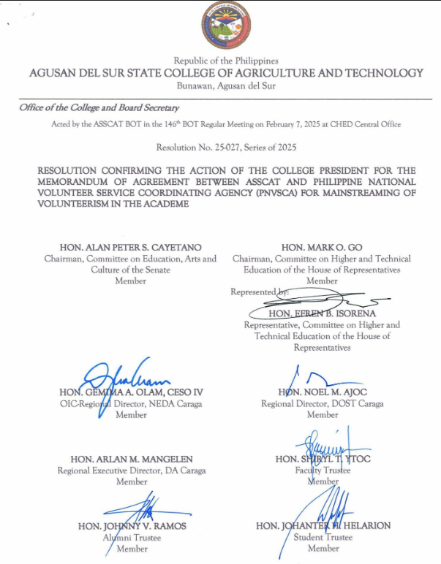
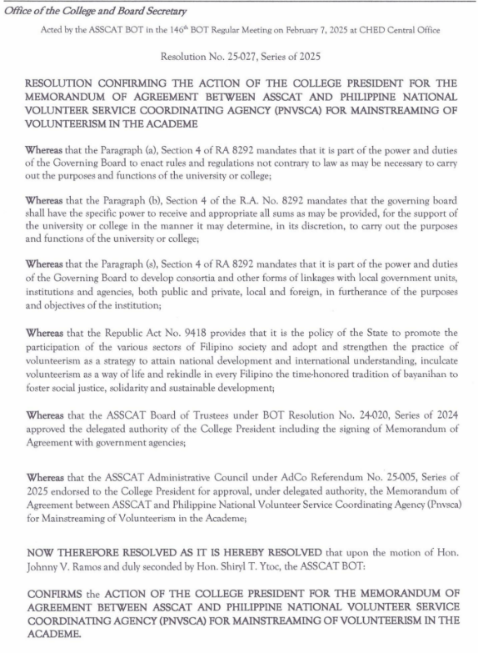
Memorandum of Agreement between ASSCAT and Philippine National Volunteer Service Coordinating Agency (PNVSCA) to institutionalize volunteerism in academic programs
Link: https://drive.google.com/file/d/1XBovuxfDwo4M_sOnCrevq5Fc9_I1WZrS/view?usp=sharing
The Agusan del Sur State College of Agriculture and Technology (ASSCAT) has deepened its commitment to sustainable development by forging a formal Memorandum of Agreement (MOA) with the Philippine National Volunteer Service Coordinating Agency (PNVSCA) to institutionalize volunteerism in higher education. Officially endorsed through ASSCAT Board of Trustees Resolution No. 15, Series of 2025, this partnership ensures that volunteerism is no longer treated as an optional extracurricular activity but as an essential component of instruction, research, and extension. This initiative directly supports SDG 17 (Partnerships for the Goals) by creating a structured mechanism that connects academia, government, and communities through collaborative action. It also aligns with national policies on civic participation, emphasizing the role of educational institutions in molding socially responsible citizens.
With the MOA in effect, ASSCAT has developed an institutional volunteerism framework that integrates service-learning into academic programs and encourages faculty, staff, and students to participate in SDG-focused community projects such as literacy programs, agricultural innovations, disaster response activities, reforestation, and indigenous community support. PNVSCA provides technical guidance, volunteer management training, and access to national volunteer networks, while ASSCAT ensures program implementation and sustainability within its academic system. This collaboration cultivates a culture where education is not limited to classroom instruction but is extended to community engagement, social inclusion, environmental stewardship, and youth empowerment. In doing so, ASSCAT positions itself not only as an academic institution but also as a catalyst for civic responsibility and grassroots development—demonstrating how partnerships can transform educational systems to contribute more effectively to national and global development goals.
Partnership for poverty and social impact assessment in host communities
Link: https://drive.google.com/file/d/1i9jqbOwjOP36kqusO8K1LcztiSHtpSmb/view?usp=sharing
The Agusan del Sur State College of Agriculture and Technology (ASSCAT) strengthened its role in SDG policymaking through a strategic partnership with Philsaga Mining Corporation (PMC) under a Memorandum of Agreement (MOA) approved by ASSCAT Board Resolution No. 23, Series of 2025. This collaboration focuses on conducting a Poverty and Social Impact Assessment (PSIA) in mining host communities, establishing a formal relationship between the academe, private sector, and local government units. By working directly with community stakeholders, barangay councils, and development offices, the partnership supports SDG policy alignment, data generation, and evidence-based planning at the regional level. The assessment serves as a platform to evaluate livelihood conditions, income disparities, access to services, and the broader socio-economic effects of mining activities, thereby informing both local government strategies and corporate social responsibility policies.
As a regional collaboration model under SDG 17.2.1, this initiative highlights how multi-sectoral partnerships—academia, industry, and government—can co-create SDG-informed policies. ASSCAT contributes research capability and objective analysis, while PMC provides community access, logistical support, and alignment with corporate development programs. Local government units play a key role in validating data, integrating findings into municipal development plans, and ensuring that community voices are represented. This tri-sector coordination ensures that policies addressing poverty reduction, livelihood development, environmental management, and social welfare are grounded in real data and community realities. Through this initiative, ASSCAT actively promotes collaborative governance and demonstrates how regional partnerships can translate SDG commitments into actionable programs that directly benefit marginalized and indigenous communities.
Community-based livelihood and environmental sustainability collaboration with ASSCAT
Link: https://drive.google.com/file/d/1sVAjmHFlmG_v4BIudEtNSj1XOsMsWFgr/view?usp=drive_link
The partnership between the Agusan del Sur State College of Agriculture and Technology (ASSCAT) and Philsaga Mining Corporation (PMC) demonstrates a strong example of academia–industry collaboration for sustainable livelihood and environmental stewardship. Through ASSCAT Board Resolution No. 25-016, Series of 2025, a Memorandum of Agreement (MOA) was established to launch the project “Establishing a Silkworm Production Rearing Facility: A Promising Livelihood Opportunity for Bunawan and Rosario Communities,” funded by PMC with a budget of ₱549,818.50. This project not only introduces sericulture (silkworm farming) as an eco-friendly livelihood but also supports mulberry cultivation, biodiversity protection, and sustainable income generation for local communities—particularly households and farmers affected by mining activities.
As a collaborative effort, ASSCAT provides the technical expertise, research support, and capacity-building training, while PMC offers funding, logistical assistance, and direct coordination with local government units and community organizations. This initiative exemplifies how institutions can work with the private sector to promote SDG-aligned local policies on livelihood, environmental protection, and rural entrepreneurship. It contributes to SDG 1 (No Poverty), SDG 8 (Decent Work and Economic Growth), SDG 9 (Industry and Innovation), SDG 15 (Life on Land), and SDG 17 (Partnerships for the Goals). This model of partnership transforms academic knowledge into practical solutions and ensures that development programs are community-centered, environmentally responsible, and policy-supported. Through this alliance, ASSCAT reinforces its role as a regional catalyst for innovation and inclusive growth, showcasing how collaborative governance can transform rural communities through sustainable, nature-based livelihoods.
Social Impact Assessment of the Operation, Programs, and Projects of PHILSAGA Mining Corporation
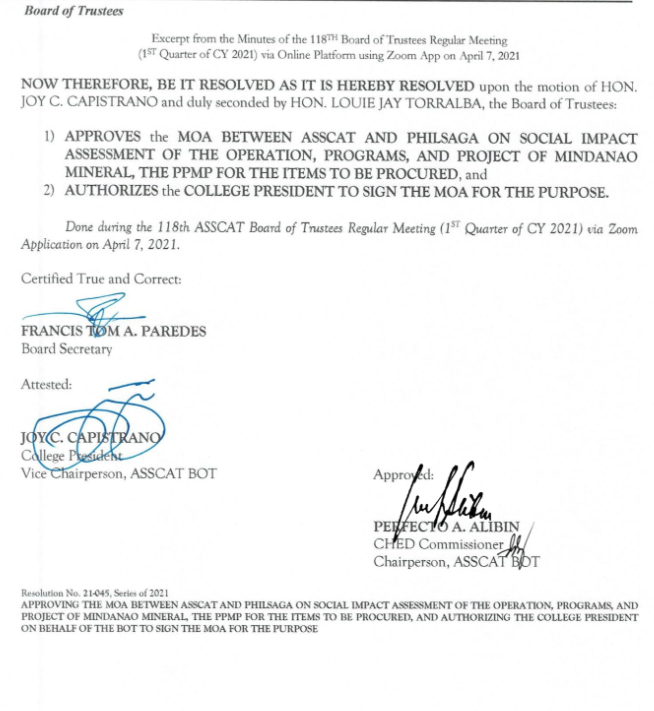
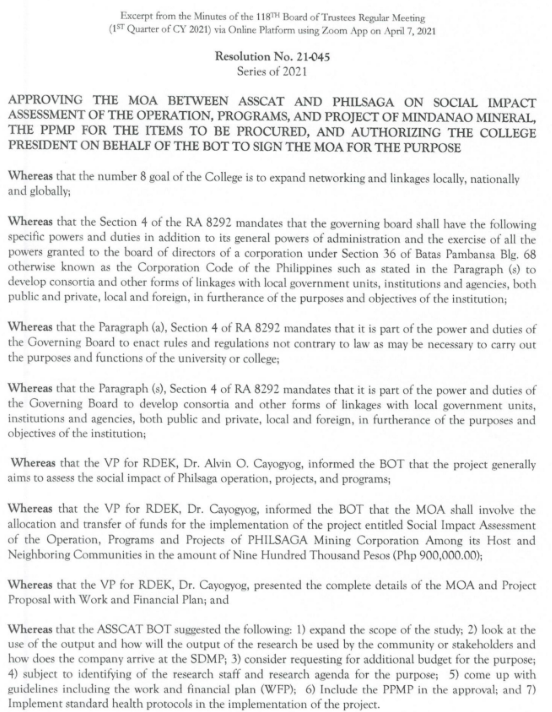
Link: https://drive.google.com/file/d/13Ijns_81U1SDYfl-rrTGKa4D6mu6cn7t/view?usp=drive_link
The collaboration between the Agusan del Sur State College of Agriculture and Technology (ASSCAT) and Philsaga Mining Corporation (PMC) reflects a meaningful alliance between academia, private industry, and local communities to support informed decision-making and socially responsible development. Through a formal Memorandum of Agreement, ASSCAT was entrusted to conduct a Social Impact Assessment (SIA) on the company’s operations and community programs. This assessment evaluates key aspects such as livelihood, access to education and healthcare, infrastructure support, environmental management, and the welfare of indigenous populations. The process encourages participation from local leaders, community representatives, and civil society groups, fostering transparency and shared responsibility in assessing the true impact of mining activities.
Beyond data gathering, the partnership strengthens dialogue between communities, institutions, and corporate stakeholders. The findings help determine whether development efforts genuinely improve quality of life, offer sustainable livelihood opportunities, and protect local ecosystems. Insights generated from the SIA provide a strong foundation for policy improvements, better-targeted corporate social responsibility (CSR) programs, and community-driven planning. By grounding development actions in research, local voices, and collaborative decision-making, this initiative demonstrates how academic institutions can bridge knowledge with practice—helping align economic progress with social equity and environmental stewardship.
17.2.2 Cross-sectoral dialogue about SDGs
| Event Title | Year | Participating Sectors | SDG Focus | Outcome | No. of Participants |
| World Migratory Bird Day Celebration | 2024 | ASSCAT, DENR–Biodiversity Management Bureau, Wetlands International, Agusan Marsh Wildlife Sanctuary, DepEd | SDG 13, 14, 15, 17 | Strengthened inter-agency collaboration on biodiversity conservation and ecological education; joint awareness campaign conducted for environmental protection. | 180 |
| Durian Seedling Distribution Kickoff Program | 2024 | ASSCAT, Provincial Government of Agusan del Sur (PGAS), Provincial Agriculture and Veterinary Office, Municipal Agriculture Office | SDG 1, 2, 8, 17 | Distributed 218 grafted native durian seedlings to USAD farmers; strengthened local-agriculture partnerships to improve livelihoods and sustainability. | 200 |
| Mindanao Development Forum 2025 | 2025 | Academe, Government, Private Sector, International Development Agencies | SDG 8, 9, 17 | Engaged in policy dialogue on regional development and inclusive innovation; presented ASSCAT’s initiatives on education, technology, and community partnership. | 260 |
Invitation to Collaboration on the World Migratory Bird Day Celebration
Link:https://drive.google.com/file/d/1Z4_szcX5YF2hp-_jnUwGiQ3Tei5YtQWT/view?usp=sharing
The Agusan del Sur State College of Agriculture and Technology (ASSCAT) and the Agusan Marsh Wildlife Sanctuary–Protected Area Management Office (AMWS-PAMO) joined forces in celebrating the World Migratory Bird Day 2024 with the theme “Protect Insects, Protect Birds.” Held at the ASSCAT campus, the event gathered students, educators, and environmental advocates in an inspiring day of learning and awareness. Through the symposium and quiz bowl competition organized by the Department of Biology, participants engaged in meaningful discussions on the ecological connection between insects and migratory birds and their vital role in sustaining biodiversity. The collaboration highlighted how education and environmental stewardship can work hand in hand to strengthen community understanding and commitment toward preserving the delicate ecosystems of the Agusan Marsh Wildlife Sanctuary—a globally recognized Ramsar Site that serves as a refuge for diverse wildlife species.
More than a celebration, the event symbolized the power of partnerships in shaping a sustainable future. It became a dynamic platform where knowledge, advocacy, and shared responsibility converged, reflecting ASSCAT’s dedication to integrating environmental awareness into education and community engagement. By uniting the academe, government, and local stakeholders, the activity demonstrated how collective action can inspire long-term conservation and climate resilience. This collaboration stands as a testament to ASSCAT’s ongoing mission to promote sustainable development through education, research, and partnerships that empower communities and protect the natural heritage of Agusan del Sur.
ASSCAT, PGAS Kick Off Durian Seedling Distribution to Farmers
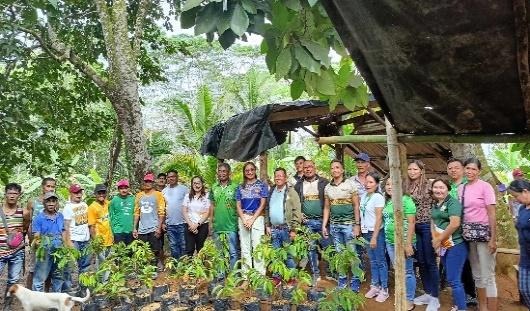
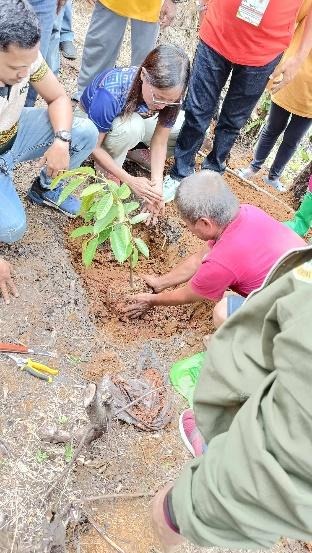
Link: https://www.facebook.com/share/p/19yhHSwhGk/
In a collaborative effort to boost agricultural development in Agusan del Sur, the Agusan del Sur State College of Agriculture and Technology (ASSCAT) and the Provincial Government of Agusan del Sur (PGAS) have kicked off the ceremonial distribution and planting of grafted native durian seedlings in Brgy. San Andres, Bunawan.
Funded by PGAS, this project represents a significant partnership between key stakeholders. The ceremonial event was graced by representatives from the Provincial Agriculture and Veterinary Office, the Municipal Agriculture Office, Provincial officials, and ASSCAT personnel, led by College President, Dr. Joy C. Capistrano.
A total of 218 grafted native durian seedlings were distributed to USAD farmers in Brgy. San Andres during the event. The distribution is part of a larger initiative that aims to promote the cultivation of native durian, a high-value crop that holds economic promise for the region. With an overall target of 10,000 seedlings to be fully distributed by mid-2025, the program seeks to enhance the livelihoods of local farmers and contribute to the region’s economic growth.
This initiative is more than just about numbers; it reflects the growing commitment of local institutions to support farmers and diversify agricultural production. The inclusion of native durian, known for its unique flavor and cultural significance, promises to bring both financial and ecological benefits to Agusan del Sur. For the USAD farmers, this project offers hope for increased productivity and a sustainable future, as their efforts cultivate not just crops but a stronger sense of community resilience.
With the first 218 seedlings already in the hands of farmers, this marks the beginning of a fruitful journey toward a vibrant durian industry in the province.
Invitation to Mindanao Development Forum 202511-2 October 2025, Dusit Thani Hotel in Davao City
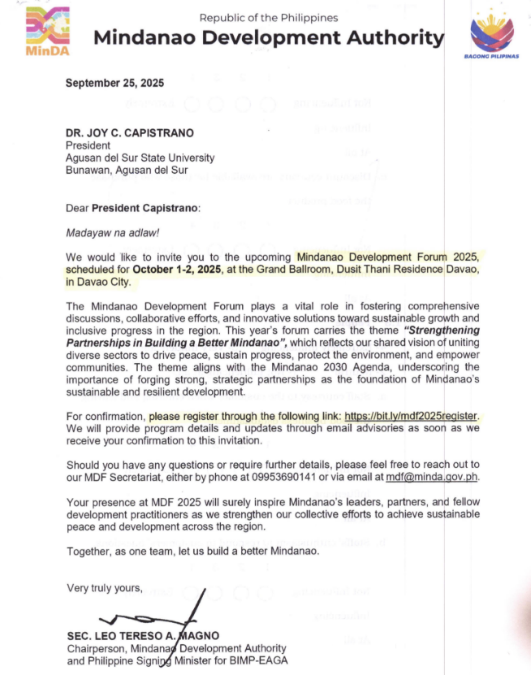
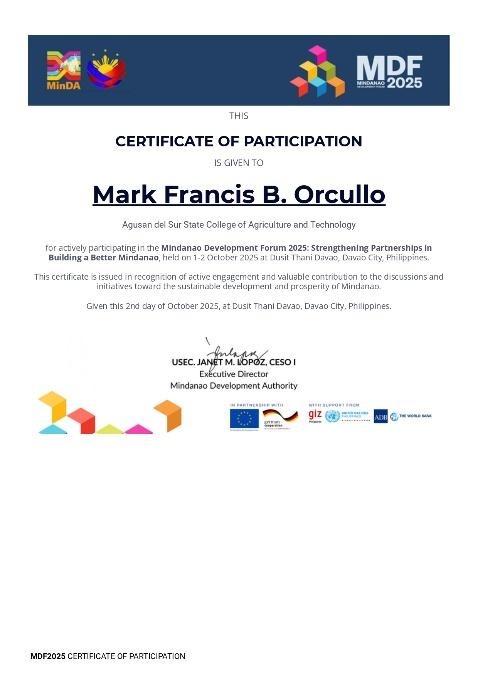
Link:https://drive.google.com/file/d/18FP77TnKJdrZZkDgvDm_oG8Nxxy217Gg/view?usp=drive_link
The Agusan del Sur State College of Agriculture and Technology (ASSCAT) proudly participated in the Mindanao Development Forum 2025, held on October 1–2, 2025, at the Grand Ballroom, Dusit Thani Residence, Davao City. Represented by Mark Francis B. Orcullo, the forum brought together regional leaders, policymakers, and development advocates in a meaningful exchange centered on the theme “Strengthening Partnerships in Building a Better Mindanao.” Organized by the Mindanao Development Authority (MinDA), the event served as a crucial venue for uniting institutions and sectors in discussions on peacebuilding, innovation, and sustainable growth across Mindanao.
Through his active participation, Mr. Orcullo engaged in dialogues that explored strategic partnerships and innovative approaches to address regional development challenges. These included initiatives promoting inclusive economic progress, environmental sustainability, and social well-being—key elements in strengthening Mindanao’s resilience and shared prosperity. His presence also represented ASSCAT’s academic perspective, emphasizing the role of higher education institutions as vital contributors to development through research, education, and knowledge-sharing.
ASSCAT’s involvement in this regional dialogue underscores its commitment to advancing collaboration for sustainable development. As a state college rooted in the heart of Agusan del Sur, ASSCAT continues to champion partnerships that connect education with real-world impact. By joining platforms like the Mindanao Development Forum, the institution reaffirms its dedication to nurturing leaders and initiatives that foster innovation, peace, and sustainability—laying the groundwork for a more inclusive and progressive Mindanao.
17.2.3 International collaboration data gathering for SDG
| Project Title | Year | Partner Institution | Type of Data | Purpose | Output |
| International Academic Cooperation and Exchange of Students, Teaching, and Research Experiences and Requesting Authority for the College President to Sign the Necessary Documents for the Purpose | 2023 | University of California – Los Angeles (UCLA) | MOA | International collaboration in academic exchange, research, and data sharing initiatives aligned with SDG monitoring and capacity building | Collaborative research data and SDG progress indicators |
| Partnership with the Southeast Asian Regional Center for Graduate Study and Research in Agriculture (SEARCA) for Access to Agricultural Research and Learning Resources | 2023 | Southeast Asian Regional Center for Graduate Study and Research in Agriculture (SEARCA) | Educational and Research Resources | To promote international collaboration in data gathering, research exchange, and access to agricultural learning resources that support global monitoring and reporting on sustainable development | Shared research database and integrated access to agricultural learning and SDG-related data |
| Developing Soil Knowledge, Information, and Capacity Building to Enhance the Productivity and Sustainability of Key Cropping Systems in the Philippines (SLAM/2023/146) | 2023–present | Griffith University (Australia); DOST-PCAARRD; USM; MMSU | Research Collaboration | To build international research cooperation on sustainable agricultural practices and soil management | International research partnership established; joint studies and publications on soil productivity and sustainability |
| Memorandum of Agreement on Academic Cooperation | 2023 | Universiti Malaysia Perlis (UNIMAP), Malaysia | Academic Collaboration | To promote mutual academic and educational cooperation, including research, faculty exchange, and joint activities | Signed MOA; strengthened academic linkage and mobility opportunities |
| Memorandum of Understanding on Academic Cooperation | 2023 | Mae Fah Luang University, Thailand | Academic Collaboration | To foster exchange of academic information, joint research, and cultural understanding | Active partnership; groundwork for collaborative projects and exchange programs |
| Memorandum of Understanding on Academic Cooperation | 2023 | Mean Chey University, Cambodia | Academic Collaboration | To develop mutual trust and promote academic and cultural exchange | Signed MOU; cross-border education collaboration initiated |
| Philippine Paleoclimate Research: Humane Co-dynamics in Southeast Asia during the Last Millennium | 2024–present | Regional Research Partners in Southeast Asia | Research Collaboration | To advance regional research on environmental and cultural dynamics across Southeast Asia | Research collaboration established; knowledge exchange and regional data-sharing |
| Doctoral Degree Programs, Research Collaboration, and Visiting Professorship | 2022–present | Griffith University | Faculty Development & Research | To strengthen academic leadership and research capacity through international learning and collaboration | Ongoing doctoral studies and joint research projects |
| Joint Pool Knowledge and Expertise on Futures Thinking and Sustainable Development for Caraga Region | 2023 | CSU; NEMSU; SNSU; Philippine Futures Thinking Society | Regional–International Network | To strengthen futures thinking and sustainability practices in higher education | Shared foresight frameworks; integration of sustainability in institutional planning |
The Agusan del Sur State College of Agriculture and Technology (ASSCAT) continues to position itself as a key contributor to SDG 17: Partnerships for the Goals, through its strong emphasis on international collaboration and data-driven research for sustainable development. The College’s partnership with the University of California – Los Angeles (UCLA) exemplifies this commitment, forged through a Memorandum of Agreement (MOA) on International Academic Cooperation and Exchange of Students, Teaching, and Research Experiences. This collaboration advances shared research data, teaching methodologies, and SDG progress indicators, supporting both institutions’ roles in promoting global knowledge exchange and localizing SDG targets. By engaging in international research and data sharing with UCLA, ASSCAT elevates its scientific and educational impact beyond regional boundaries, aligning local innovation with global sustainability monitoring frameworks.
Another major achievement in ASSCAT’s international engagement is its partnership with the Southeast Asian Regional Center for Graduate Study and Research in Agriculture (SEARCA). Through this collaboration, the College gains access to regional agricultural research databases, learning resources, and joint research initiatives that directly contribute to global SDG data monitoring systems. This partnership allows ASSCAT to actively participate in international research exchanges on food security, sustainable agriculture, and climate resilience—areas central to both local livelihood development and global sustainability. The integration of shared databases and agricultural learning tools enables ASSCAT researchers and students to access a wide range of global research data, ensuring that the institution’s scientific outputs align with global benchmarks for SDG reporting and performance tracking.
Link: https://www.facebook.com/share/p/199iwxBH21/
https://www.facebook.com/share/p/1PesCUimoN
https://www.facebook.com/share/p/1NMDWbxB5D
Equally significant is the research collaboration between ASSCAT, Griffith University (Australia), DOST-PCAARRD, the University of Southern Mindanao (USM), and Mariano Marcos State University (MMSU), through the project Developing Soil Knowledge, Information, and Capacity Building to Enhance the Productivity and Sustainability of Key Cropping Systems in the Philippines (SLAM/2023/146). This international initiative bridges data gathering and scientific inquiry across multiple institutions to address pressing challenges in soil degradation, food productivity, and ecosystem sustainability. The project generates comprehensive data sets on soil health and crop performance, contributing to global agricultural knowledge and reinforcing the Philippines’ participation in SDG 2 (Zero Hunger) and SDG 15 (Life on Land). The partnership’s outputs—including joint studies, publications, and shared databases—strengthen regional collaboration and amplify ASSCAT’s role in international agricultural sustainability research.
https://www.facebook.com/share/p/17d1oWctRa
https://www.facebook.com/share/p/1YMMFQD8CQ
ASSCAT’s global network also extends through its academic cooperation agreements with Universiti Malaysia Perlis (UNIMAP), Mae Fah Luang University (Thailand), and Mean Chey University (Cambodia). These partnerships enable faculty and student exchanges, cross-border cultural understanding, and the co-development of academic research initiatives. Through these international MOUs, the College cultivates a culture of global-minded education, fostering collaboration that transcends national borders. The Philippine Paleoclimate Research Project: Humane Co-dynamics in Southeast Asia during the Last Millennium, further reinforces ASSCAT’s dedication to cross-border scientific exchange, advancing regional climate and environmental data gathering that contributes to shared Southeast Asian sustainability knowledge. Together, these partnerships establish ASSCAT as an academic bridge linking local scholars to global scientific communities.
Beyond research partnerships, ASSCAT strengthens its international academic capacity through Doctoral Degree Programs, Research Collaborations, and Visiting Professorships with Griffith University, and its Joint Pool of Knowledge and Expertise on Futures Thinking and Sustainable Development with CSU, NEMSU, SNSU, and the Philippine Futures Thinking Society. These programs emphasize knowledge creation, futures literacy, and institutional foresight, enabling faculty to contribute to international research outputs and data systems aligned with SDG 4 (Quality Education) and SDG 17 (Partnerships for the Goals). Through these initiatives, ASSCAT not only enhances faculty expertise but also institutionalizes global perspectives in local governance, curriculum design, and research policy. By engaging in multi-institutional data collaborations, the College demonstrates its commitment to fostering a globally informed academic community that contributes meaningfully to the collective pursuit of sustainable development.
Link: https://www.facebook.com/share/p/1Aao8BBUWR/
https://www.facebook.com/share/p/16Q7NzCTsA
17.2.4 Collaboration for SDG best practice
| Partner | Country | SDG Focus | Activity | Outcome |
| University of California – Los Angeles (UCLA) | USA | SDG 4, 9, 17 | International Academic Cooperation and Exchange of Students, Teaching, and Research Experiences and Requesting Authority for the College President to Sign the Necessary Documents for the PurposeBOT Resolution No. 23-212 | Strengthened global academic partnership and collaborative research initiatives in anthropology and sustainable community development. |
| Department of Environment and Natural Resources – Biodiversity Management Bureau (DENR–BMB) | Philippines | SDG 13, 15, 17 | Philippine Paleoclimate Research, Focusing on The Humane Codynamics in Southeast Asia During the Last Millennium by Examining Paleoclimate Reconstructions and Precipitation Pattern Derived from Cave Deposits, known as PeleothemsBOT Resolution No. 25-029 | Generated climate data and environmental models that support evidence-based conservation and resilience planning. |
| National Resilience Council & Carlos P. Romulo Foundation | Philippines | SDG 11, 13, 17 | Strengthening Institutions and Empowering Localities Against Disasters and Climate Change (SHIELD)BOT Resolution No. 23-143 | Enhanced institutional disaster risk reduction frameworks and climate change adaptation strategies. |
| Provincial Government of Agusan del Sur (Vice Governor’s Office) | Philippines | SDG 4, 9, 11, 17 | Courtesy visit and partnership dialogue on policy integration, research collaboration, and community-based innovation | Strengthened provincial collaboration for capacity building, research utilization, and sustainable governance. |
| Intellectual Property Office of the Philippines (IPOPHL) | Philippines | SDG 4, 9, 17 | Innovation and Intellectual Property Education through RIDE–ITSO Programs | ASSCAT awarded Platinum Award for Innovation for the second consecutive year (2025), strengthening research commercialization and innovation culture. |
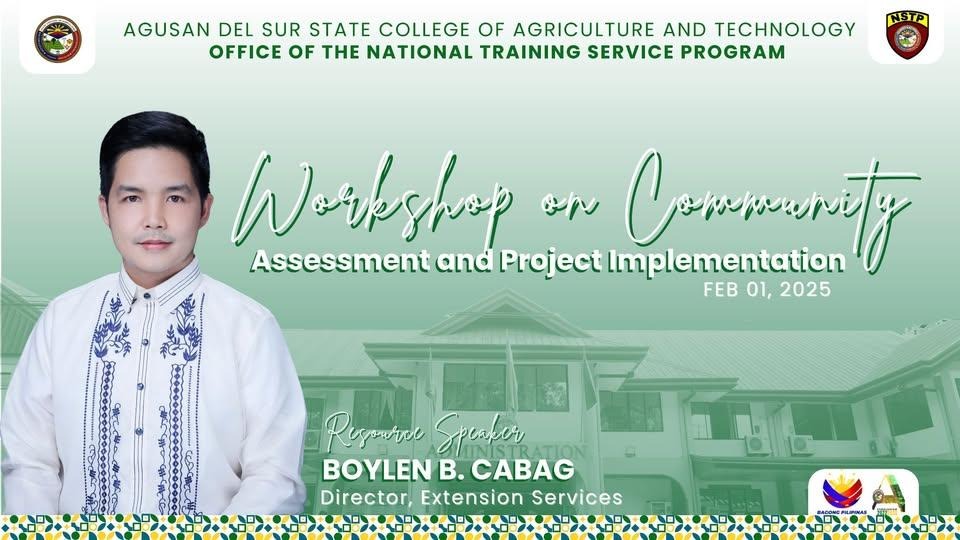
Link: https://www.facebook.com/share/p/1817Zz5WES/
The NSTP Comprehensive Workshop on Community Assessment and Project Implementation is designed to equip NSTP-CWTS students with the essential knowledge, skills, and strategies needed to effectively engage with communities and implement sustainable and impactful projects. As part of the National Service Training Program (NSTP), this workshop aims to deepen students’ understanding of community needs assessment, stakeholder engagement, and project planning, ensuring that their initiatives are responsive to real-world challenges and aligned with the principles of the Sustainable Development Goals (SDGs).
To further enrich the learning experience, we are honored to have Mr. Boylen Cabag as our resource speaker. With his expertise in community development and project implementation, Mr. Cabag will provide valuable insights on assessing community issues, designing feasible solutions, and executing sustainable programs. His guidance will help students develop effective, action-driven projects that address societal needs while fostering civic responsibility and leadership.
PAKIGHINABI: ASSCAT Pays Courtesy Visit to Vice Governor, Strengthens Partnership for Community Growth
Link: https://www.facebook.com/share/p/1DXmeBytYU/
Earlier today, ASSCAT President Dr. Joy C. Capistrano, together with Vice President for Academic Affairs and Quality Assurance Dr. Carmelo S. Llanto, Vice President for Administration, Finance, and Planning Ms. Janice S. Dini-ay, Research and Creative Works Director Engr. Michael Sabugaa, and Executive Assistant III Engr. Janice C. Puspos, paid a courtesy visit to Hon. Patricia Anne Plaza, Vice Governor of the Province of Agusan del Sur.
President Capistrano congratulated Vice Governor Plaza on her recent election and warmly welcomed her as the new leader of the province. She acknowledged the Vice Governor’s fresh mandate and expressed confidence in her ability to guide Agusan del Sur toward continued progress and development.
Discussions centered on strengthening collaboration, with Vice Governor Plaza expressing support for ASSCAT’s initiatives and openness to involving the Institution in provincial training and policymaking efforts. Vice Governor Plaza welcomed the idea of tapping ASSCAT’s expertise for capacity-building initiatives of the Provincial Government and supported the Institution’s involvement in the Provincial Research, Development, and Innovation Office (PRDIO).
The meeting also covered updates on ASSCAT’s transition to universityhood, research initiatives aligned with development goals, and strategic directions in administration and finance.
This engagement reflects ASSCAT’s active role in achieving the Sustainable Development Goals, especially in promoting quality education (SDG 4), partnerships for development (SDG 17), and innovation for sustainable communities (SDG 9 and SDG 11).
This visit highlights the importance of building strong partnerships between higher education institutions and local government. As ASSCAT grows and strengthens its programs, engagement like this is instrumental in bringing positive change to communities across Agusan del Sur.
Innovation in ASSCAT: ASSCAT Joins National Innovation Week 2025
Link: https://www.facebook.com/share/p/1CvMnVAG8g/
Agusan del Sur State College of Agriculture and Technology (ASSCAT) joined the 2025 National Innovation Day celebration with a series of activities that brought together students, mentors, startups, and local leaders around shared goals: solving real-world problems and nurturing local talent.
The week started with ASSCAT’s participation in the regional kickoff hosted by Caraga State University on April 21. Among the highlights was the Reverse Pitching activity, where local government units laid out actual challenges they face—and startup teams responded with fresh ideas and practical solutions.
On April 22–23, ASSCAT’s Agri-Based Technology Business Incubator (ABRI TBI) led mentoring sessions designed to help campus-based startups sharpen their ideas and prepare to take them further.
To support innovation with the right tools and knowledge, ASSCAT hosted an online seminar on April 23, focused on Intellectual Property (IP) essentials. In-house experts Dr. Rodel L. Oclaret and Engr. Michael M. Sabugaa offered practical insights on IP rights and innovation law—equipping participants with the basics of protecting and managing their creative work.
The celebration wrapped up with the Caraga Startup Pitch Fest on April 24, themed FLIP: Forging Leaders of Innovation in the Philippines. ASSCAT’s startup teams joined the showcase, pitching ideas aimed at addressing local issues and exploring new opportunities in agri-based enterprise.
These initiatives also speak to broader development goals—advancing quality education through hands-on learning (SDG 4), encouraging entrepreneurship and skills development (SDG , pushing for creative, tech-driven solutions (SDG 9), and building stronger ties with government and industry partners (SDG 17). More than just a series of events, it was a reflection of ASSCAT’s role in helping shape a future where innovation is inclusive, practical, and rooted in community needs.
ASSCAT Participated in the 2025 Summer Enrichment Program (SEP)
Link: https://www.facebook.com/share/p/1YydF75wo6/
The Agusan del Sur State College of Agriculture and Technology (ASSCAT) participated in the 2025 Summer Enrichment Program (SEP) organized by the Asian Association of Agricultural Colleges and Universities (AAACU), held from July 21 to August 1, 2025, at the University of Eastern Philippines (UEP).
Representing ASSCAT was Mr. Johanter Havana Helarion, a Bachelor of Science in Agriculture student majoring in Agronomy, who currently serves as the President of the Supreme Student Government (SSG). He represented the institution’s ASSCAT – College of Agriculture in a two-week academic and cultural engagement involving delegates from various agricultural higher education institutions across Asia.
The AAACU-SEP is a flagship regional initiative aimed at fostering academic cooperation, intercultural learning, and leadership development among agriculture students. This year’s theme aligned with the United Nations Sustainable Development Goals (SDGs)—particularly SDG 2 (Zero Hunger), SDG 4 (Quality Education), SDG 13 (Climate Action), and SDG 17 (Partnerships for the Goals)—with a focus on sustainable agriculture, food systems, and innovation.
Mr. Helarion participated in academic sessions, solidarity group projects, field exposures, and cultural showcases. As a member of the Manobo indigenous community, he also highlighted indigenous identity and local agricultural knowledge as integral components of inclusive and sustainable development.
The closing ceremony on August 1 featured the AAACU Got Talent competition, solidarity presentations, and “Ways Forward” outputs that outlined recommendations for continued collaboration among participating institutions. These activities showcased the delegates’ reflections and creative outputs as part of the program’s culminating events.
According to AAACU Executive Secretary Dr. Amado A. Angeles (UP Los Baños), the AAACU-SEP serves as a platform for capacity building and internationalization of agricultural higher education in Asia. The participation of institutions like ASSCAT reinforces the importance of equitable representation and regional partnerships in addressing global challenges in food and agriculture.
ASSCAT’s involvement in this year’s SEP supports its institutional thrust on internationalization, student development, and the integration of indigenous knowledge into agricultural education and leadership. The College continues to align its programs and engagements with global frameworks and regional initiatives that empower future-ready learners.
Platinum Again: ASSCAT Recognized for Innovation
Link: https://www.facebook.com/share/p/17fi9V5epN/
The Agusan del Sur State College of Agriculture and Technology (ASSCAT) once again earned the 𝗣𝗹𝗮𝘁𝗶𝗻𝘂𝗺 𝗔𝘄𝗮𝗿𝗱 𝗳𝗿𝗼𝗺 𝘁𝗵𝗲 𝗜𝗻𝘁𝗲𝗹𝗹𝗲𝗰𝘁𝘂𝗮𝗹 𝗣𝗿𝗼𝗽𝗲𝗿𝘁𝘆 𝗢𝗳𝗳𝗶𝗰𝗲 𝗼𝗳 𝘁𝗵𝗲 𝗣𝗵𝗶𝗹𝗶𝗽𝗽𝗶𝗻𝗲𝘀 (𝗜𝗣𝗢𝗣𝗛𝗟) during the ITSO Presidents’ Summit and General Assembly held on April 10, 2025, at Sequoia Hotel, Manila Bay.
The Platinum Award recognizes ITSO-member institutions that have achieved significant milestones in areas such as conducting foundational Intellectual Property (IP) education, comprehensive patent searches, filing at least seven invention patents, and successfully commercializing intellectual properties that make a meaningful difference to society.
𝗧𝗵𝗶𝘀 𝗺𝗮𝗿𝗸𝘀 𝘁𝗵𝗲 𝘀𝗲𝗰𝗼𝗻𝗱 𝘀𝘁𝗿𝗮𝗶𝗴𝗵𝘁 𝘆𝗲𝗮𝗿 𝘁𝗵𝗮𝘁 𝗔𝗦𝗦𝗖𝗔𝗧 𝗵𝗮𝘀 𝗿𝗲𝗰𝗲𝗶𝘃𝗲𝗱 𝘁𝗵𝗲 𝗮𝘄𝗮𝗿𝗱, a recognition of the college’s growing efforts to build a stronger culture of innovation and meaningful use of intellectual property.
Behind this milestone is the continued work of the RIDE – Innovation and Technology Support Office (ITSO), in partnership with faculty, researchers, and community partners. From education and training on intellectual property to filing patents and bringing research closer to real-world use, ASSCAT’s work reflects its role in advancing relevant goals such as 𝗾𝘂𝗮𝗹𝗶𝘁𝘆 𝗲𝗱𝘂𝗰𝗮𝘁𝗶𝗼𝗻 (𝗦𝗗𝗚 𝟰), 𝗶𝗻𝗻𝗼𝘃𝗮𝘁𝗶𝗼𝗻 𝗮𝗻𝗱 𝗶𝗻𝗳𝗿𝗮𝘀𝘁𝗿𝘂𝗰𝘁𝘂𝗿𝗲 (𝗦𝗗𝗚 𝟵), 𝗮𝗻𝗱 𝘀𝘁𝗿𝗼𝗻𝗴𝗲𝗿 𝗽𝗮𝗿𝘁𝗻𝗲𝗿𝘀𝗵𝗶𝗽𝘀 (𝗦𝗗𝗚 𝟭𝟳).
This progress is made possible through the steady leadership of College President Dr. Joy C. Capistrano and the continuing efforts of innovation champions across the years—Dr. Ferdinand A. Dumalagan, Dr. Fernando L. Marzo Jr., Engr. Jack O. Bertulfo, Engr. Cyrus Galendez, and Ms. Jacky Lyn Maestrado—working together to turn ideas into action.
At its core, this recognition belongs to the wider ASSCAT community—proof that when people work together with purpose, lasting progress follows.
17.2.5 Collaboration with NGOs for SDGs
| NGO Partner | SDG Focus | Year | Type of Collaboration | Output | Reference |
| Philippine National Volunteer Service Coordinating Agency (PNVSCA) | SDG 17 | 2025 | Mainstreaming volunteerism in the academe through formal MOA with ASSCAT | Institutionalized volunteerism framework for faculty and students; improved civic engagement and SDG-aligned service-learning projects. | Link |
| Philippine Mining Corporation (PMC) | SDG 8, 9, 12 | 2023 | Poverty and social impact assessment | Completed social impact assessment reports of PMC operations in host communities; results integrated into corporate social responsibility (CSR) planning. | Link |
| PHILSAGA Mining Corporation | SDG 9, 15 | 2024 | Community-based livelihood and environmental sustainability project | Conducted Social Impact Assessment of programs and established a rearing facility for silkworm production as an alternative livelihood for residents. |
Resolution Confirming the Action of the College President for the Memorandum of Agreement Between ASSCAT and PNVSCA for Mainstreaming of Volunteerism in the Academe
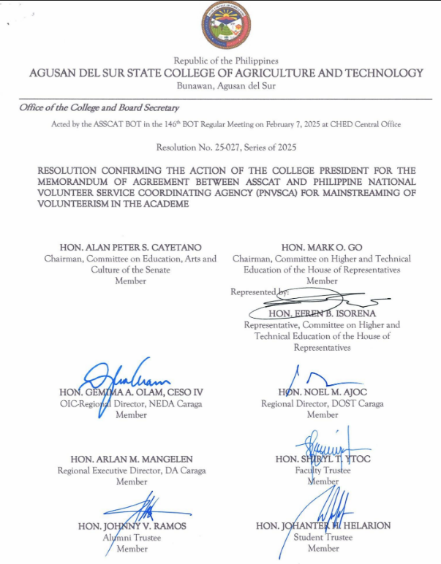
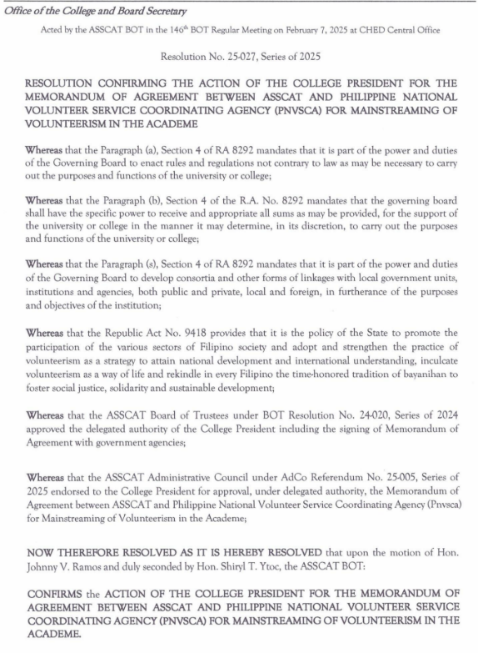
Link: https://drive.google.com/file/d/1XBovuxfDwo4M_sOnCrevq5Fc9_I1WZrS/view?usp=sharing
The Agusan del Sur State College of Agriculture and Technology (ASSCAT) has strengthened its commitment to sustainable development through a formal Memorandum of Agreement (MOA) with the Philippine National Volunteer Service Coordinating Agency (PNVSCA) for the mainstreaming of volunteerism in the academe. This partnership, confirmed by the ASSCAT Board of Trustees through Resolution No. 15, Series of 2025, aims to institutionalize volunteerism as a vital component of higher education, empowering faculty, staff, and students to actively engage in community development initiatives aligned with the United Nations Sustainable Development Goal (SDG) 17 – Partnerships for the Goals.
The collaboration fosters an enabling environment for civic participation, service learning, and social responsibility, ensuring that volunteerism becomes part of the institutional culture and academic programs of ASSCAT. Through this partnership, both ASSCAT and PNVSCA seek to nurture a new generation of volunteers who are equipped with the values, knowledge, and skills needed to contribute meaningfully to local and national development. The formalization of this alliance also strengthens the link between the academe and national volunteer networks, amplifying collective efforts toward achieving inclusive growth and community empowerment.
As a result of this initiative, ASSCAT has developed an institutionalized volunteerism framework that integrates volunteer service into instruction, research, and extension activities. This framework encourages students and faculty members to take part in SDG-aligned service-learning projects that address real community needs while promoting environmental stewardship, social inclusion, and innovation. The collaboration with PNVSCA stands as a testament to ASSCAT’s dedication to transforming education into a force for positive change—one that builds partnerships, cultivates empathy, and advances sustainable progress across communities.
MOA Between ASSCAT and PMC for Assessment of Poverty Incidence in Host Community
Link: https://drive.google.com/file/d/1i9jqbOwjOP36kqusO8K1LcztiSHtpSmb/view?usp=sharing
The Agusan del Sur State College of Agriculture and Technology (ASSCAT) entered into a Memorandum of Agreement (MOA) with Philsaga Mining Corporation (PMC) to undertake an Assessment of Poverty Incidence in Host Communities, as approved under ASSCAT Board Resolution No. 23, Series of 2025. This partnership aims to generate comprehensive data and analyses on the socio-economic conditions of communities directly and indirectly affected by mining operations. By combining the technical expertise of ASSCAT’s research team with PMC’s commitment to responsible corporate citizenship, the initiative seeks to identify gaps, inform development planning, and implement evidence-based programs that uplift the lives of residents in host areas.
The collaboration represents a significant step in promoting shared accountability and sustainable development between the academe and the private sector. Through this project, ASSCAT reinforces its role as a research-driven institution dedicated to community development and environmental responsibility. The assessment will provide valuable insights into poverty dynamics, access to livelihood, education, and social services—essential indicators for guiding inclusive interventions that align with the national agenda on poverty reduction.
This partnership not only advances data-driven community development but also strengthens the linkages between academia, industry, and local stakeholders in achieving equitable growth. By leading initiatives that combine academic rigor with social impact, ASSCAT demonstrates its unwavering commitment to empowering local communities and supporting sustainable development goals. The MOA between ASSCAT and PMC stands as a model of collaborative governance that translates knowledge into action, ensuring that progress benefits both people and the environment.
Establishment of Rearing Facility for Silkworm Production
Link: https://drive.google.com/file/d/1sVAjmHFlmG_v4BIudEtNSj1XOsMsWFgr/view?usp=drive_link
The Agusan del Sur State College of Agriculture and Technology (ASSCAT) and Philsaga Mining Corporation (PMC) have formalized a Memorandum of Agreement (MOA) for the establishment of a rearing facility for silkworm production under ASSCAT Board Resolution No. 25-016, Series of 2025. The project, titled “Establishing a Silkworm Production Rearing Facility: A Promising Livelihood Opportunity for Bunawan and Rosario Communities,” is funded by PMC with an allocated budget of ₱549,818.50. This initiative aims to stimulate local economic development by promoting mulberry cultivation, silk production, and sustainable sericulture practices that create new livelihood opportunities for farmers and community members in the host areas.
Through this collaboration, ASSCAT takes a vital role in providing technical expertise, research guidance, and community training, ensuring that the project aligns with sustainable agricultural principles and inclusive development goals. The partnership underscores the shared vision of both institutions in integrating eco-friendly and income-generating initiatives that enhance rural productivity while preserving the environment. Moreover, the project serves as a model for industry–academe cooperation, demonstrating how joint efforts can turn research into tangible community impact.
This silkworm production project not only diversifies the economic activities within Bunawan and Rosario but also strengthens ASSCAT’s thrust in extension and innovation-driven community engagement. By merging academic knowledge with corporate social responsibility, the initiative embodies ASSCAT’s mission to pursue responsive community services for sustainable development. The partnership with PMC reflects a commitment to empowering local farmers, promoting green livelihoods, and advancing rural entrepreneurship—solidifying the College’s role as a catalyst for agricultural innovation and community transformation.
Social Impact Assessment of the Operation, Programs, and Projects of PHILSAGA Mining Corporation
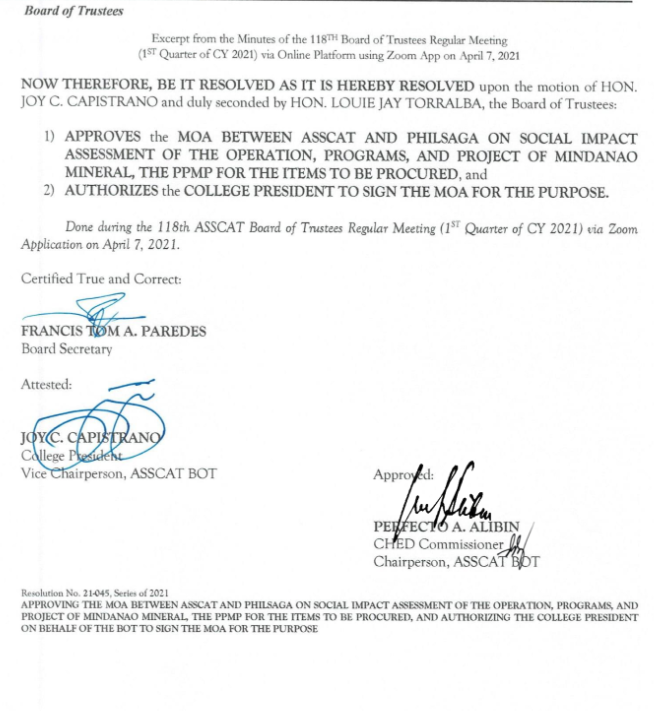
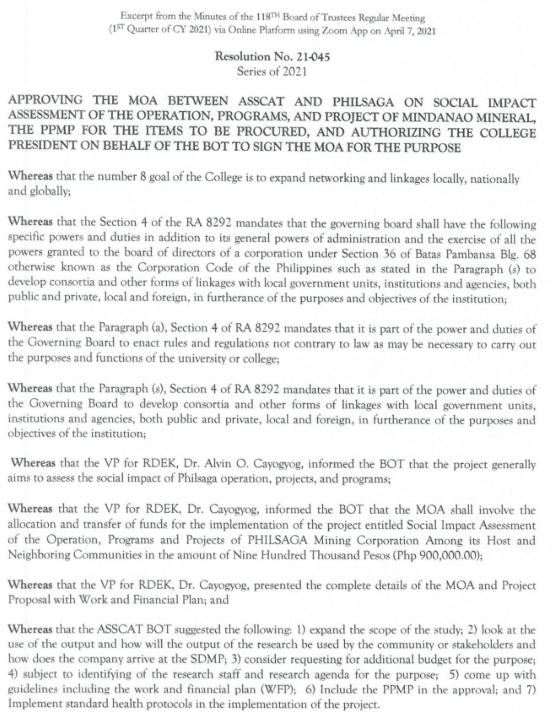
Link: https://drive.google.com/file/d/13Ijns_81U1SDYfl-rrTGKa4D6mu6cn7t/view?usp=drive_link
The Memorandum of Agreement (MOA) between ASSCAT and PHILSAGA Mining Corporation demonstrates a strong example of SDG 17 in action—fostering partnerships between academic institutions, private industry, and local communities. The agreement authorizes ASSCAT to conduct a Social Impact Assessment (SIA) on the company’s operations, community programs, and development projects. This initiative is rooted in transparency and accountability, aiming to scientifically evaluate how mining activities affect livelihood, education, health programs, infrastructure, environmental stewardship, and indigenous peoples’ welfare. The collaboration emphasizes participatory engagement, requiring input from community leaders, local stakeholders, and NGOs, who are directly involved in data collection, validation, and feedback mechanisms. By approving funding for research logistics and assigning institutional oversight from the Board of Trustees, ASSCAT ensures that the study is conducted ethically and objectively.
This collaboration supports sustainable development by promoting dialogue between corporate entities and affected communities. Instead of focusing solely on economic outcomes, the assessment analyzes whether PHILSAGA’s programs genuinely contribute to social welfare, education access, disaster resilience, and environmental sustainability in Agusan del Sur. This model encourages responsible mining practices that align with SDGs 8 (Decent Work), 11 (Sustainable Communities), 15 (Life on Land), and most importantly, SDG 17 (Partnerships). It bridges academic research, industry accountability, and grassroots perspectives—creating evidence-based recommendations that can influence corporate policies, local government planning, and future NGO partnerships. Through this, the institution demonstrates how knowledge, policy, and community empowerment can work together to achieve shared development goals.
Indicator 17.3 Publication of SDG Reports
A total of 67 research publications have been identified as directly aligned with the United Nations Sustainable Development Goals (SDGs 1–17). These publications represent a diverse range of disciplines, including agriculture, education, engineering, social sciences, environmental management, health, governance, and technology, showcasing a strong institutional commitment to sustainability, innovation, and social development. Each SDG is supported by research outputs that not only discuss theoretical implications but also provide practical, community-based solutions and scientific advancements. From poverty reduction and food security to climate resilience, peacebuilding, responsible production, and institutional transparency, the research reflects a holistic approach to sustainable development.
Across the SDGs, the institution’s research efforts emphasize real-world application, local relevance, and interdisciplinary problem-solving. Studies connected to SDG 2 tackle hunger and food security through agricultural innovation and poverty analysis. SDG 3 focuses on public health and mental health through the application of machine learning, biomedical investigations, and studies related to pandemics. SDG 4 showcases educational innovations and interventions, while SDG 5 addresses gender empowerment and equitable participation in STEM. Technological and engineering advances supporting renewable energy (SDG 7), industrial innovation (SDG 9), and resilient infrastructure are evident. Meanwhile, SDGs 10 to 16 focus on reducing inequalities, promoting sustainable communities, climate adaptation tools, forest ecosystem protection, and strong governance through political discourse and community narratives. Collectively, these 67 publications form a cohesive body of knowledge that strengthens the institution’s role in advancing sustainable development, providing both academic contributions and tangible societal impact.
SDG 2- Zero Hunger
| Publication Title | Author(s) | Journal Details | Year | Description | Reference |
| A Panel Regression Analysis of Poverty Incidence Among South Asian Countries | Mark Vincent T. Cortez | Journal of Higher Education ResearchDisciplines)- 2 citation | 2019 | Economies reflected an industrial progression for human development, sustainable resources and better performance to have an impact in alleviating the poverty prevalence of the entire populace. Thus, the study had used the indexes of Human Development and Competitive Industrial Performance as predictors for poverty incidence across South Asian Countries. Specifically, it directed to generate a panel regression model on the poverty occurrence exhausting the factors as mentioned earlier. Based on the result, almost all of the countries in South Asia have consistently displayed low scores in both HDI and CIP index for more than a decade. The panel regression analysis implicates HDI and CIP can collectively influence poverty incidence. Further, the generated model forecasts an increasing poverty incidence rate for the region. | Link |
| Human Development and Competitive Industrial Performance Index: Predictors of Poverty Incidence Across Countries | Mark Vincent T. Cortez | SDSSU Multidisciplinary Research Journal | 2019 | The occurrence from claiming destitution in the world is higher over the previous estimates have proposed. The main reason is that it has implicitly underestimated the cost of living in most developing countries. Conclusively, the latter indicates that to explain poverty incidence is to consider several explicit dynamics. Economies considered an industrial advancement for a better performance, human development, and resources to have an impact in alleviating poverty incidence of the entire populace. Human Development Index (HDI) ranking and Competitive Industrial Performance (CIP) Index were used in the study as the predictors in determining the poverty incidence. Moreover, it aimed to generate a linear model on the poverty occurrence using these predictors in a given country. Based on the result, these two explanatory variables found to have significant effect on the poverty incidence. | Link |
| Predicting Poverty Incidence Using Human Development & Industrial Performance | Mark Vincent T. Cortez | 1st Africa-Asia Dialogue Network (AADN) International Conference | 2019 | This research presents a prediction model for poverty using economic and social indicators. The findings can be used to identify high-risk areas where hunger, malnutrition, and limited access to nutritious food are more likely to occur. | Link |
The Institution’s contribution to SDG 2 focuses on the socioeconomic dimensions of hunger, emphasizing how poverty, low human development, and weak industrial progress influence the capacity of individuals and communities to access adequate food. Although the studies under this SDG do not focus directly on agriculture, food supply chains, or nutrition programs, they reveal essential underlying causes of hunger that must be addressed for long-term food security. By showing how disparities in income, education, employment, and national productivity affect poverty levels, these publications help build a clearer understanding of why hunger remains prevalent, particularly in developing regions. These works provide a strong foundation for designing local food security initiatives, because understanding poverty patterns allows leaders and communities to identify which populations are most vulnerable to hunger and which interventions are needed to support them.
These studies can be developed into a formal institutional report on Zero Hunger by weaving together the research findings with on-the-ground realities in local communities. Such a report may narrate how economic hardship affects food consumption among families, how educational attainment and employment influence household nutrition, and how communities rely on agriculture, informal labor, or government support to survive. It can also document school-based or community-based feeding initiatives, urban gardening efforts, nutrition education sessions, partnerships with farmers or agricultural agencies, and any livelihood programs promoting food sustainability. By combining research, community engagement, and local data into a single narrative, the institution creates a meaningful contribution to SDG 2—one that acknowledges hunger not only as a matter of food supply, but as a human condition shaped by economic, social, and cultural realities.
SDG3-Good Health and Well-Being
| Publication Title | Author(s) | Journal Details | Year | Description | Reference |
|---|---|---|---|---|---|
| Predictive Model for Assessing Student Mental Health Risk Based on Academic Data Using Machine Learning Algorithm | Cabusas, Daleon, Maningo, Bustillo, Balighot, Pojas | Journal: Institute of Electrical and Electronics Engineers (IEEE)ISSN: 1057-7149SJR 2024: 2.502 (Q1)H-Index: 346Coverage: 1992–2025 | 2025 | Uses machine learning to predict students’ mental health risks by analyzing academic performance data. This bridges technology, education, and psychological well-being. | Link |
| HPA Axis Dysregulation and Mental Health Outcomes in Filipino Teachers in Marawi during the COVID-19 Pandemic | Gil Vincent M. Ebardo | Journal: African Journal of Biological SciencesISSN: 2663-2187SJR: 0.133 (Q4)H-Index: 5Coverage: 2019-2022 | 2024 | Explores the physiological stress response (HPA axis) in teachers exposed to trauma in post-conflict Marawi, highlighting mental health challenges in conflict-affected areas. | Link |
| Neuroinflammatory Consequences of COVID-19 Psychosocial Well-Being among Filipino Teachers in Marawi: A Cross Sectional Study | Gil Vincent M. Ebardo | Journal: African Journal of Biological SciencesISSN- 26632187SJR 2024-0.133 Q4H-Index- 5Coverage- 2019-2022 | 2024 | Examines how COVID-19 contributes to neuroinflammation, affecting cognitive function and emotional well-being. | Link |
| Serotonin and Dopamine Dysregulation: Unveiling the Toll of COVID-19 on Mental Health among Teachers in Marawi City | Gil Vincent M. Ebardo | Journal: African Journal of Biological SciencesISSN-26632187SJR 2024- 0.133 Q4H-Index- 5Coverage- 2019- 2022 | 2024 | Discusses imbalances in neurotransmitters due to pandemic stress, linking biology to psychological disorders such as depression and anxiety. | Link |
| Exploring the Capabilities of Pristine B84 Nanocluster for Selective NO and N2O Gases Detection Involved to COVID-19: A DFT Analysis | Michael M. Sabugaa | Journal: Journal of Inorganic and Organometallic Polymers and MaterialsISSN: 1574-1443 / 1574-1451SJR 2024: 0.697 (Q2)H-Index: 69Coverage: 1996, 2000-2001, 2023-2025 | 2024 | Develops nanotechnology-based sensors that could detect COVID-related gases, showing innovation in medical diagnostics and public health safety. | Link |
| Evaluating Healthcare Benefits of Senior Citizens through Opinion Mining | James Cloyd M. Bustillo | Journal: 5th International Conference on Image Processing and Capsule Networks (ICIPCN) | 2024 | Uses AI to evaluate health service accessibility—indirectly supporting inclusive, equitable lifelong education. | Link |
The Institution demonstrates a strong contribution to SDG 3 through interdisciplinary research tackling both physical and mental health, particularly in response to crises such as the COVID-19 pandemic and conflict situations. Studies using machine learning to predict student mental health risks offer innovative approaches to early intervention and psychological support within academic institutions. Meanwhile, research focused on teachers in Marawi shows how trauma and prolonged stress alter biological systems such as the HPA axis, making mental health an urgent priority in post-conflict recovery. These works underscore the link between education, conflict, public health, and emotional resilience, demonstrating a compassionate and research-informed response to human suffering.
Additionally, scientific investigations into COVID-19’s neurological impact—such as neuroinflammation, hormonal imbalance, and neural transmitter disruption—provide a deeper understanding of how the pandemic affects both brain and behavior. The inclusion of nanotechnology-based COVID detection methods further emphasizes the institution’s role in advancing health innovation and disease prevention. These studies, when compiled into a comprehensive university report on health and well-being, may include not only academic insights but also community engagement such as mental health awareness seminars, wellness counseling programs, medical missions, partnerships with local health units, and campus-based psychological services. Together, they present a holistic picture of how health research, community care, and scientific innovation support human well-being in both everyday life and times of crisis.
SDG 4-Quality Education
| Publication Title | Author(s) | Journal Details | Year | Description | Reference |
| Predictive Model for Assessing Student Mental Health Risk Based on Academic Data Using a Machine Learning Algorithm | Jerald Cabusas, Cherry Ann Daleon, Carl Philip Maningo, James Cloyd Bustillo, Bernie Balighot, Patrick Jasson Pojas | Journal: Institute of Electrical and Electronics Engineers (IEEE) ISSN: 1057-7149 SJR 2024: 2.502 (Q1) H-Index: 346 Coverage: 1992–2025 | 2025 | Highlights how academic data can be used to detect psychological risks among students, promoting student welfare and academic success—vital to quality education. | Link |
| HPA Axis Dysregulation and Mental Health Outcomes in Filipino Teachers Residing in Marawi during the COVID-19 Pandemic | Gil Vincent M. Ebardo | Journal: African Journal of Biological Sciences ISSN: 2663-2187 SJR 2024: 0.133 (Q4) H-Index: 5Coverage– 2019-2022 | 2024 | Focuses on teacher well-being and physiological stress during crisis—critical to teacher performance and educational continuity. | Link |
| Exploring the Capabilities of Pristine B84 Nanocluster for Selective NO and N2O Gases Detection Involved to COVID-19: A DFT Analysis | Michael M. Sabugaa | Journal: Journal of Inorganic and Organometallic Polymers and MaterialsISSN: 1574-1443 / 1574-1451SJR 2024: 0.697 (Q2)H-Index: 69Coverage: 1996, 2000-2001, 2023-2025 | 2024 | Although scientific, supports safer school/learning environments through health monitoring technologies. | Link |
| The Effectiveness of Transformational Leadership: A Quantitative Study of Teachers’ Perceptions | Hisyl Pastor Encallado | Journal of Education, Learning, and Management | 2025 | This study examined how transformational leadership affects teachers’ motivation and job satisfaction at West Bunawan Central Elementary School in Agusan del Sur. Using responses from 33 teachers, it explored their perceptions of transformational leadership behaviors and how these relate to motivation and satisfaction. Descriptive and inferential analyses revealed that teachers highly rated transformational leadership—especially inspirational motivation and intellectual stimulation—as key factors enhancing their motivation and job satisfaction. Differences in perceptions were noted based on age and teaching experience. The study concludes that transformational leadership promotes a positive and empowering school climate, recommending professional development for leaders and mentorship programs to strengthen teacher motivation and effectiveness. | Link |
| Exploring Students’ Perception of Educational Environment in Alternative Learning System (ALS) Senior High School | Junel D. Omapas | Journal of Education, Learning, and Management | 2025 | This study explored ALS senior high students’ perceptions of their educational environment at Nabunturan National Comprehensive High School. Using the DREEM questionnaire with 104 respondents, results showed a generally positive perception (mean = 3.17) and no significant demographic differences, except in academic self-perception between Grades 11 and 12. The study underscores the need for a supportive environment and continued support for ALS learners. | Link |
| Training Design that Affects Motivation and Intellectual Progression of Science, Engineering, and Mathematics Teachers | Matthew E. Cañeda, Vivian C. Peligro | Journal: Environment and Social Psychology ISSN: 2424-7979 / 2424-8975 SJR 2024: 0.254 (Q3) H-Index: 7Coverage: 2019-2025 | 2025 | Focuses on teacher motivation and professional development—core to quality education. | Link |
| Impact Assessment of the Beginning Reading Para sa mga Tsikiting in Butuan City, Philippines | Marvin G. Pizon, Rolando N. Paluga | Journal: Journal of Education and Learning (EduLearn) ISSN: 2089-9823 / 2302-9277 SJR 2024: 0.192 (Q4) H-Index: 6Coverage– 2019-2025 | 2025 | Literacy intervention study improving reading outcomes among young learners. | Link |
| Real-life Industry Immersions that can Enhance Positive Behavior towards Mathematics and Science to Build-up for Math Sci-oriented Choices in Academic Settings | Vivian Peligro et.al | Journal: Environment and Social Psychology ISSN: 2424-7979 / 2424-8975SJR 2024: 0.254 (Q3)H-Index- 7Coverage- 2019-2025 | 2025 | Links industry exposure to student academic motivation in STEM education. | Link |
| On the Distribution of the Product of Inverse Pareto and Exponential Random Variables | Marvin G. Pizon | Journal: Recoletos Multidisciplinary Research Journal ISSN: 2408-3755 / 2423-1398 SJR 2024: 0.153 (Q4) H-Index: 5Coverage-2013-2024 | 2023 | Mathematical research contributing to higher education advancement in statistics. | Link |
The institution’s contributions to SDG 4 reflect a multidimensional understanding of what quality education means in today’s world—an education system that supports not only cognitive development but also mental health, teacher resilience, and inclusive learning practices. Research on machine learning-enabled mental health prediction models offers an innovative approach to early detection of academic burnout and psychological distress among students, showing that learning does not exist in isolation from emotional well-being. Studies centered on teachers, especially in conflict-affected areas like Marawi, emphasize how trauma, neurobiological stress responses, and emotional exhaustion affect teaching effectiveness and the learning environment. These works demonstrate that the well-being of educators is directly linked to the quality of education students receive. Meanwhile, research on reading programs such as Beginning Reading Para sa mga Tsikiting provides concrete evidence of literacy intervention success in early childhood education, which is essential for foundational learning.
Other studies explore pedagogy, motivation, and innovation within the educational system through teacher training, STEM immersion programs, and real-life industry exposures that empower students to make informed academic and career choices. Research in mathematics and statistics strengthens higher academic instruction and curriculum development. Scientific and public health studies—such as COVID-19 forecasting, nanotechnology in health monitoring, and healthcare analysis—although health-related, contribute to safer and more resilient educational environments. Altogether, these research outputs can be synthesized into a comprehensive academic narrative that shows education as a living system—supported by research, grounded in community realities, enhanced by technology, and centered on the learner and teacher as human beings.
SDG 5- Gender Equality
| Publication Title | Author(s) | Journal Details | Year | Description | References |
| Predictive Model for Assessing Student Mental Health Risk Based on Academic Data Using Machine Learning Algorithm | Jerald Cabusas, Cherry Ann Daleon, Carl Philip Maningo, James Cloyd Bustillo, Bernie Balighot, Patrick Jasson Pojas | Journal: Institute of Electrical and Electronics Engineers (IEEE)ISSN: 1057-7149SJR 2024: 2.502 (Q1)H-Index: 346Coverage: 1992–2025 | 2025 | Although not exclusively about gender, this study supports SDG 5 by highlighting student well-being, including potential gender-based differences in academic stress and psychological vulnerability. Data from such models can help identify if female or LGBTQ+ students are disproportionately affected by academic pressure. | Link |
| Training Design that Affects Motivation and Intellectual Progression of Science, Engineering, and Mathematics Teachers | Matthew E. Cañeda, Vivian C. Peligro | Journal: Environment and Social PsychologyISSN: 2424-7979 / 2424-8975SJR 2024: 0.254 (Q3)H-Index: 7Coverage: 2019–2025 | 2025 | This study is relevant to gender equality because it focuses on teacher development, including empowering female educators in STEM—fields traditionally dominated by males. By improving training designs, it supports equal career progression opportunities for both male and female teachers. | Link |
| Real-life Industry Immersions that Enhance Positive Behavior towards Mathematics and Science for Math-Sci-oriented Academic Choices (2025) | Levi V. Calubag, Richard N. Verdeflor, Vivian C. Peligro, Lanie M. Pacadaljen, Joel R. Sintos, Mary Joy B. Gelizon, Lanie P. Plecerda, Aina P. Gervacio | Journal: Environment and Social PsychologyISSN: 2424-7979 / 2424-8975SJR 2024: 0.254 (Q3)H-Index: 7Coverage: 2019–2025 | 2025 | Promotes equal participation in STEM by encouraging both girls and boys to pursue science and math fields. This supports SDG 5 by addressing gender stereotypes and increasing female engagement in STEM careers. | Link |
The institution’s contribution to SDG 5—Gender Equality—emerges through research that enhances educational access, teacher development, and equitable participation in science and technology fields. While the studies do not directly focus on gender activism, they support the broader goal of gender equality by addressing structural and educational conditions that affect both male and female learners and educators. Studies on mental health prediction among students contribute by identifying stress patterns among populations that may include gender-based disparities, providing schools and guidance offices with tools to address emotional burdens experienced differently by young men, women, and LGBTQ+ learners. Similarly, research focused on teacher training and motivation in science and mathematics contributes to creating professional development systems where female educators are given equal opportunities for skill improvement, leadership roles, and academic growth in disciplines where men typically dominate.
Further, research involving real-life industry immersion in STEM supports the dismantling of gender stereotypes by encouraging students—especially young women—to pursue science, mathematics, and engineering careers. By familiarizing both male and female learners with actual industry environments, these initiatives help normalize the presence of women in technical fields and foster confidence among learners regardless of gender. These publications can be woven into a coherent institutional narrative that portrays education as a transformative space where gender biases are reduced through supportive learning environments, empowered educators, mental health care, and exposure to non-traditional career paths. When organized into a report, these studies can highlight the institution’s role in promoting gender equity not only in access to education, but also in career opportunities, professional development, and psychological well-being within academic settings.
SDG 6 – CLEAN WATER AND SANITATION
| Publication Title | Author(s) | Journal Details | Year | Description | Reference |
| Optimizing Broiler Growth, Yield Performance, Meat Sensory, and Productivity through Novel Synergies of Dietary Sweet Potato Leaf Meal and Water-soluble Multi-herbal Extract | Gilmore Ramoso Jr. | Journal Type: Agricultural & Biological Sciences (Livestock Production) Citations: 1 (as of 2025) Expected Global Avg Citations: 5 FWCI: 0.20 | 2024 | Although primarily agricultural, this study links livestock productivity to water utilization and feed efficiency. Improved feed-water synergy indirectly supports sustainable food systems, reducing water wastage in poultry production. Could be connected to SDG 6 through responsible agricultural water use. | Link |
| Investigation on the Performance of a Multi-wire Water Level Detection System using Contact Sensing for River Water Monitoring | Manuel T. Tabada Jr., Federico F. Lasta Jr. | Field: Environmental Engineering / Instrumentation & Control Citations: 6 Expected Global Avg Citations: 4 FWCI: 0.75 | 2020 | Develops a cost-effective system to monitor river water levels, contributing to flood prevention, disaster preparedness, and water resource management. Helpful for LGUs and environmental agencies in community safety. | Link |
| Application of a Low-cost Water Level Circuit for Accurate Pulse Detection of a Tipping-bucket Rain Gauge as an Alternative to Reed Switch Sensors | Manuel T. Tabada Jr., Michael E. Loretero | Field: Environmental Engineering / Hydrology Instrumentation Citations: 7 Expected Global Avg Citations: 4 FWCI: 1.75 | 2019 | Proposes a low-cost innovation for measuring rainfall and monitoring water systems. Supports clean water management, flood warning, agricultural planning, and hydrological data collection. | Link |
Research contributions under SDG 6 illustrate a strong alignment with the need for sustainable water management, flood mitigation, and improved agricultural-water relationships. Studies on water level monitoring systems by Tabada and colleagues offer accessible and affordable solutions for local governments and communities to measure river levels and rainfall with precision. These innovations support early-warning systems against floods, drought assessment, irrigation planning, and protect both life and agriculture in water-dependent regions. Their low-cost and replicable nature make them adaptable in rural settings where advanced hydrological equipment may not be available. These works affirm the importance of environmental engineering in ensuring safe, secure, and well-managed water resources for both human consumption and disaster resilience.
Meanwhile, the study on broiler production by Ramoso, although agricultural, ties into water sustainability through feed-water interaction in livestock management. Efficient feed formulas reduce water stress on poultry farms by improving digestion, minimizing unnecessary water consumption, and enhancing productivity. This highlights how water is essential not only for human survival but also for livestock, food systems, and economic livelihood. Rural development programs and agricultural communities can benefit from integrating such research into water-efficient farming practices. Taken together, these works provide strong foundations for creating an institutional narrative on SDG 6—showing how science, agriculture, engineering, and community safety are interconnected through water as a vital resource.
SDG 7 – AFFORDABLE AND CLEAN ENERGY
| Publication Title | Author(s) | Journal Details | Year | Description | Reference |
| Energy Inputs and Economic Analysis of Organic and Inorganic Rice Production in Agusan del Sur, Philippines | Jane M. Tecson, Julie O. Lucnod | Journal: International Exchange and Innovation Conference on Engineering & Sciences | 2024 | Assesses how different rice farming systems use energy (fuel, labor, fertilizer) and compares economic viability. This supports SDG 7 by examining agricultural energy consumption efficiency and promoting sustainability in food production. | Link |
| Performance Optimization of Inorganic Cs₂TiBr₆-Based Perovskite Solar Cell via Numerical Simulation | Michael M. Sabugaa | Journal: Energy Technology (Scopus-indexed)Field: Renewable Energy EngineeringCitation Count: 29 | 2023 | Explores optimization of inorganic perovskite solar cells, improving clean energy conversion efficiency and providing an alternative to traditional silicon solar cells. | Link |
| High Thermoelectric Power Factor of Sr-Doped Bi₂Te₃ Thin Film through Energy Filtering Effect | Michael M. Sabugaa | Journal: International Communications in Heat and Mass TransferField: Materials ScienceCitation Count: 13 | 2023 | Develops thermoelectric materials that convert waste heat into electricity—helping industries recover energy and reduce fossil fuel dependence. | Link |
| Choline Chloride-Based Deep Eutectic Solvents as Electrolytes for Wide Temperature Range Supercapacitors | Michael M. Sabugaa | Journal: Energy TechnologyField: Energy Storage SystemsCitation Count: 20 | 2023 | Proposes non-toxic, affordable electrolytes for high-performance supercapacitors, enabling better renewable energy storage systems like solar and wind. | Link |
Research contributions under SDG 7 reflect a strong commitment to advancing sustainable energy systems, renewable technologies, and energy efficiency across agricultural and engineering contexts. One line of research addresses the energy demands of agricultural production, particularly rice farming in Agusan del Sur, where the comparison between organic and inorganic systems reveals how energy inputs such as fuel, fertilizer, and labor contribute to farm productivity and sustainability. This type of research is vital because agriculture is both a consumer and influencer of energy systems in rural communities. By evaluating how much energy is required, how efficiently it is utilized, and what methods offer more sustainable outputs, the study supports cleaner, more cost-effective farming practices that reduce environmental impact while enhancing farmer livelihoods.
Complementing this agricultural perspective are studies focused on clean and renewable technologies, particularly those exploring solar cell performance, thermoelectric materials, and energy storage solutions. Research on inorganic perovskite solar cells demonstrates how numerical simulations can be used to enhance photovoltaic efficiency without relying on toxic or expensive materials. Work on strontium-doped Bi₂Te₃ thin films advances thermoelectric technology, which captures waste heat from industrial systems and converts it into usable electricity. Additionally, the development of deep eutectic solvents for supercapacitors supports safer, non-flammable, and efficient energy storage solutions essential for renewable energy grids. Together, these studies contribute to a future where energy is more reliable, cleaner, and accessible—not only through electricity generation, but also through smarter agricultural systems, energy conservation technologies, and eco-friendly storage innovations.
SDG 8 – DECENT WORK AND ECONOMIC GROWTH
| Publication Title | Author(s) | Journal Details | Year | Description | Reference |
| Optimization-based Techniques Prediction Model in Determining Employee Turnover | James Cloyd Bustillo | Journal: Procedia Computer Science | 2025 | Develops intelligent models to predict employee turnover rates, helping organizations improve job stability, workforce planning, and decent employment conditions. | Link |
| Predicting Employee Turnover Through Genetic Algorithm | James Cloyd M. Bustillo | Journal: 5th International Conference on Electronics and Sustainable Communication Systems (ICESC 2024) | 2024 | Uses genetic algorithms to identify key turnover factors like salary gaps, job dissatisfaction, and workload, aligning workforce analytics with sustainable employment systems. | Link |
| Innovative Work Behavior and Job Satisfaction among Public Elementary School Teachers in Trento, Agusan del Sur | Egan C. Trabado | Journal: International Journal of Research and Innovation in Social Science (IJRISS) | 2024 | Examines how job satisfaction influences creativity and innovation among teachers. Supports decent work by highlighting psychological well-being and professional fulfillment. | Link |
| Linking Entrepreneurial Competencies and Financial Risk: Pathways to Sustainable Business Growth | Donald Cyndyl L. Miguel, Rosalie C. Gemina | Journal: Journal of Interdisciplinary Perspectives | 2024 | Investigates entrepreneurial skills, risk management, and their impact on long-term business survival. Encourages entrepreneurship as a driver of economic growth. | Link |
| Comparative Assessment on Rubber Farming in Agusan del Sur Before and During COVID-19 Pandemic | Manuel T. Tabada Jr., Fernando L. Marzo Jr., Rodel L. Oclaret, Beverly O. Galicia | Journal: NRCP Research Journal | 2023 | Analyzes income stability, labor conditions, and productivity of rubber farmers during the pandemic. Reflects vulnerability and resilience of rural livelihoods. | Link |
| Socioeconomic Impacts of Mining’s Social Development and Management Program (SDMP) in Barobo, Surigao del Sur | Mark Vincent T. Cortez, Nancy S. Doloriel | Journal: Journal of Positive School Psychology | 2022 | Evaluates how mining-funded programs affect local employment, livelihood, education, and income distribution in host communities. | Link |
| Assessing Timber Trade Middlemen for Development Policy Actions: A Case Study in Caraga Region, Philippines | Shiela G. Reyes, Rodrigo L. Bongolan | Journal: Humanities and Social Sciences Communications | 2022 | Investigates power dynamics in timber trade, income distribution, labor fairness, and market practices impacting forest workers and indigenous communities. | Link |
Research linked to SDG 8 demonstrates how employment conditions, economic development, and labor sustainability influence the well-being of both urban and rural communities. Studies on employee turnover using optimization and genetic algorithms explore how factors such as compensation, job satisfaction, workplace fatigue, and leadership styles contribute to employee resignation—offering organizations data-driven ways to retain workers. Research on teacher job satisfaction and innovative behavior shows that when employees, particularly educators, feel valued and supported, they contribute more effectively to their institutions and communities. Such work underscores that economic growth is not solely about profit, but also about securing meaningful employment, safeguarding mental health, and ensuring equitable treatment in the workplace.
Beyond organizational settings, studies on rubber farming, mining communities, and timber trade provide insight into the economic realities of rural livelihoods. Research on rubber farmers during the pandemic shows how economic shocks affect agricultural workers, emphasizing the need for sustainable income sources and government support. Mining-related studies assess whether communities truly benefit from Social Development and Management Programs, questioning how much employment, infrastructure, and livelihood assistance reaches residents. The timber trade study further reveals power imbalances where middlemen often control pricing and profit, leaving indigenous groups and small-scale harvesters at a disadvantage. Altogether, these works form a narrative that economic growth must be inclusive, ethical, and people-centered—supporting fair wages, social protection, entrepreneurship, and resilient local industries.
SDG 9 – INDUSTRY, INNOVATION, AND INFRASTRUCTURE
| Publication Title | Author(s) | Journal Details | Year | Description | Reference |
| Development of Rubber Creping Machine for Improved Profitability in Rubber Production in Agusan del Sur, Philippines | Mariam A. Bumaras, Daylen Ann M. Hermosilla, Jack O. Bertulfo | Journal: International Exchange and Innovation Conference on Engineering & Sciences | 2024 | Designed a mechanized rubber creping machine to improve productivity, reduce manual labor, and increase income for local rubber farmers. Supports rural industrialization and agro-industry innovation. | Link |
| Design and Development of Combined Cacao Bean Dehuller-Pulverizer Machine for Cocoa Powder Processing | Jack O. Bertulfo, John Eduard Mendoza, James Patrick G. Cular | Journal: International Exchange and Innovation Conference on Engineering & Sciences | 2024 | Creates farm-level machinery for cacao processing, enhancing value addition, small-scale industry competitiveness, and local manufacturing. | Link |
| Association Rule Mining with a Memory-Efficient Apriori Algorithm: Optimized Transaction Pruning | Jeanie R. Delos Arcos | Journal: International Conference on Inventive Computation Technologies (ICICT 2024) | 2024 | Proposes an optimized data mining algorithm to improve efficiency in handling large datasets—beneficial for industrial data systems and logistics. | Link |
| Web-based Management Information System with Data Visualization | Bernie S. Balighot, Jeanie R. Delos Arcos, James Cloyd M. Bustillo, Jocelyn O. Balolot, Tierney Jane O. Poliga, Nancy P. Jacosalem | Journal: 5th International Conference on Image Processing and Capsule Networks (ICIPCN 2024) | 2024 | Develops a web-based MIS with data visualization, promoting digital infrastructure and efficient organizational operations. | Link |
| A DFT Study on Effective Detection of ClCN Gas by Functionalized, Decorated, and Doped Nanocone Strategies | Michael M. Sabugaa | Journal: RSC Advances | 2023 | Uses nanotechnology to design gas sensors for industrial safety and chemical monitoring—enhancing resilient infrastructures. | Link |
| The Impact of Si and Cu Doping on BN Nanotube Sensing Ability for Detecting Diazomethane | Michael M. Sabugaa | Journal: Solid State Communications | 2023 | Examines doped nanomaterials for hazardous gas detection, promoting safety in industrial processing and chemical plants. | Link |
| Enhanced Genetic Algorithm for Variable Minimization through Modified Crossover Operator | James Cloyd Bustillo | Journal: Institute of Electrical and Electronics Engineers (IEEE) | 2023 | Improves computational algorithm performance for engineering and industrial applications such as automation, optimization, and manufacturing systems. | Link |
The institution’s research under SDG 9 showcases strong innovation in agriculture mechanization, industrial automation, and digital infrastructure development. Projects such as the rubber creping machine and cacao dehuller-pulverizer provide practical technological solutions tailored for rural industries, helping local farmers reduce manual labor and increase product value. These machines not only modernize traditional farming practices but also promote inclusive industrialization by enabling small-scale producers to participate in value-added processes, boosting both productivity and income. These innovations demonstrate how engineering knowledge directly supports rural economic development and strengthens local manufacturing capabilities.
Beyond agricultural mechanization, the institution also contributes to digital transformation and industrial safety through advancements in computation, data analytics, and sensor technologies. The development of memory-efficient Apriori algorithms and web-based management information systems with data visualization introduces intelligent tools that improve organizational decision-making, data processing, and efficiency. Meanwhile, studies in nanotechnology for gas detection enhance industrial safety by creating sensitive detection technologies for toxic chemicals, contributing to safer workplaces and resilient infrastructures. Together, these works illustrate a commitment to building sustainable industries, fostering technological innovation, and creating infrastructure that supports economic growth, public safety, and digital modernization.
SDG 10 – REDUCED INEQUALITIES
| Publication Title | Author(s) | Journal Details | Year | Description | Reference |
| Training Design that Affects Motivation and Intellectual Progression of Science, Engineering, and Mathematics Teachers | Matthew E. Cañeda, Vivian C. Peligro | Journal: Environment and Social PsychologyISSN: 2424-7979 / 2424-8975SJR 2024: 0.254 (Q3)H-Index: 7Coverage: 2019–2025 | 2025 | Supports equality in professional development by improving access to quality teacher training, particularly for educators in public schools and rural communities. Enhances intellectual and career growth regardless of socio-economic status. | Link |
| Impact Assessment of the Beginning Reading Para sa mga Tsikiting in Butuan City, Philippines | Marvin G. Pizon, Rolando N. Paluga | Journal: Journal of Education and Learning (EduLearn)ISSN: 2089-9823 / 2302-9277SJR 2024: 0.192 (Q4)H-Index: 6Coverage: 2023–2025 | 2025 | Promotes literacy for young learners in urban-poor and underserved communities. Addresses early educational inequality by enhancing access to foundational reading skills. | Link |
| Real-life Industry Immersions that Enhance Positive Behavior towards Mathematics and Science for Math-Sci-Oriented Academic Choices | Levi V. Calubag, Richard N. Verdeflor, Vivian C. Peligro, Lanie M. Pacadaljen, Joel R. Sintos, Mary Joy Gelizon, Lanie P. Plecerda, Aina P. Gervacio | Journal: Environment and Social PsychologyISSN: 2424-7979 / 2424-8975SJR 2024: 0.254 (Q3)H-Index: 7Coverage: 2019–2025 | 2025 | Encourages equal opportunities in STEM by exposing students from public schools to real industry environments, reducing social and gender biases in science and engineering careers. | Link |
Research supporting SDG 10 reflects efforts to address inequality in education, career development, and access to opportunities across different social and economic backgrounds. The study on training design for science, engineering, and mathematics teachers emphasizes the importance of equitable access to quality professional development. By improving teacher competency and motivation, particularly for educators in public and rural schools, it reduces disparities in teaching standards between urban and disadvantaged regions. When teachers are empowered with better methods and knowledge, the learners they serve—regardless of their socioeconomic status—receive improved educational experiences. Meanwhile, the literacy program Beginning Reading Para sa mga Tsikiting tackles inequality at its root by supporting early reading development among young children who may lack access to books, parental support, or structured learning environments at home. This ensures that learners from low-income families have a stronger foundation for future academic success.
The third study under this SDG highlights how real-life industry exposure in STEM fields helps reduce inequality in career expectations and aspirations among young students. Many students from public and rural schools often do not envision themselves working in science or engineering fields due to a lack of exposure, resources, and role models. By immersing them in industry settings, the research promotes inclusivity—showing that STEM careers are attainable for both girls and boys, regardless of social class, location, or school type. Together, these works create a narrative where inequality is addressed not only through economic reforms but also through education, skill development, career empowerment, and providing students and teachers with equal opportunities to thrive.
SDG 11 – SUSTAINABLE CITIES AND COMMUNITIES
| Publication Title | Author(s) | Journal Details | Year | Description | Reference |
| Smart Parking Management System for University | Jade G. Cuartero | Journal: Institute of Electrical and Electronics Engineers (IEEE) | 2025 | Proposes a tech-based parking system to reduce congestion, time delays, and fuel consumption within campus environments. Contributes to sustainable mobility and smarter urban campus planning. | Link |
| Transitivity Analysis of Lea Salonga’s Selected OPM Song Lyrics: A Stylistic Approach | Christine Mae T. Juyad, Evangeline H. Alvarez, Roxan R. Remorosa, Shiryl T. Ytoc | Journal: International Journal of Research Publication | 2024 | Uses linguistic analysis to explore cultural identity and social narratives through music. Helps in preserving cultural heritage and promoting inclusive urban communities. | Link |
| Utilizing Educational Technology for the Preservation and Revitalization of Indigenous Language and Culture | Roxan R. Remorosa, Ryan Christian Tagal-Bustillo, Gideon Tiongson | Journal: International Journal of Research Publications | 2024 | Promotes digital tools to preserve indigenous languages and traditions, supporting cultural sustainability in communities affected by modernization and urbanization. | Link |
Research under SDG 11 demonstrates a blend of technological innovation, cultural preservation, and community-oriented sustainability. The Smart Parking Management System developed for a university environment addresses one of the key urban challenges: mobility and space efficiency. By integrating sensors, automated systems, and real-time monitoring, the project minimizes fuel wastage, reduces carbon emissions, and enhances the daily experience of students, employees, and visitors. Although focused on the campus setting, this research model is scalable to city-wide systems where traffic congestion and unorganized parking contribute to pollution and inefficient land use. It reflects how universities can serve as micro-models of resilient, smart, and sustainable communities.
Alongside technological advancement, other publications highlight the importance of cultural sustainability as part of sustainable communities. The stylistic analysis of Lea Salonga’s OPM songs delves into how music communicates social values, emotions, and Filipino identity—reminding us that sustainable cities are not only about infrastructure, but also about protecting artistic expression and cultural memory. Meanwhile, research on educational technology for indigenous language preservation showcases how digital platforms can be powerful tools for reviving endangered languages and cultural knowledge, especially among younger generations affected by urban migration and globalization. These works collectively show that sustainability in communities is achieved not only through smart systems and infrastructure but also through safeguarding identities, traditions, and cultural continuity in a rapidly modernizing world.
SDG 12 – RESPONSIBLE CONSUMPTION AND PRODUCTION
| Publication Title | Author(s) | Journal Details | Year | Description | Reference |
| Lactic Acid Bacteria (Lactobacillus plantarum) Controls Soft Rot in Fresh-Cut Lettuce | Raymond Gabica | Journal: Journal of Agro-Industrial Research and Development | 2024 | Explores the use of natural lactic acid bacteria as a biocontrol agent against vegetable spoilage. Reduces reliance on chemical preservatives and lowers food waste—supporting sustainable food processing. | Link |
| Energy Inputs and Economic Analysis of Organic and Inorganic Rice Production in Agusan del Sur, Philippines | Jane M. Tecson, Julie O. Lucnod | Journal: International Exchange and Innovation Conference on Engineering & Sciences | 2024 | Compares resource consumption (fuel, fertilizer, labor) in organic vs. inorganic farming. Promotes efficient energy use and sustainable agricultural systems. | Link |
| Preliminary Assessment on the Potential of Boiler Ash and Spent Bleaching Earth as Raw Materials for Brick Production | Jennieveb H. Poliran, Jumil M. Pelayo, Jack O. Bertulfo | Journal: International Exchange and Innovation Conference on Engineering & Sciences | 2024 | Investigates the reuse of industrial waste materials in eco-friendly brick manufacturing. Demonstrates circular economy principles and reduces landfill pollution. | Link |
Research efforts under SDG 12 focus on reducing waste, promoting sustainable agriculture, and maximizing resource efficiency in production systems. The study on Lactobacillus plantarum in fresh-cut lettuce introduces a biological approach to controlling soft rot, reducing food spoilage without relying on synthetic chemicals. This approach supports safer food production, longer shelf life, and minimized post-harvest losses—key elements for responsible consumption. Meanwhile, the comparative study of organic and inorganic rice farming provides valuable insights into how agricultural systems can balance productivity and sustainability. By analyzing labor energy, fuel use, and economic returns, the study promotes decision-making that prioritizes lower environmental impact, ethical farming practices, and sustainable resource consumption.
Complementing these agricultural innovations is a study that demonstrates the practical application of circular economy principles by transforming boiler ash and spent bleaching earth into raw materials for brick-making. Instead of being discarded as waste, these industrial by-products are repurposed into functional construction materials, reducing landfill accumulation and lowering the demand for virgin resources like clay or sand. This kind of innovation bridges environmental management with industrial sustainability, showing how industries can reduce ecological footprints while still producing valuable products. Together, these works offer a holistic view of responsible production and consumption—where biological solutions, energy-efficient agriculture, and industrial waste conversion all contribute to a more sustainable future.
SDG 13 – CLIMATE ACTION
| Publication Title | Author(s) | Journal Details | Year | Description | Reference |
| Innovating the Tipping-Bucket Rain Gauge Through a 5-Probe Rainfall Quantification Technique | Manuel T. Tabada, Michael E. Loretero | Journal: 2024 IEEE International Conference on Agrosystem Engineering, Technology & Applications (AGRETA) | 2024 | Proposes an enhanced rain gauge system using a 5-probe mechanism to improve rainfall measurement accuracy—supporting better climate monitoring, flood warning systems, and agricultural planning. | Link |
| Integrating Expert Knowledge and Fuzzy Logic for Landslide Susceptibility Mapping: A Case Study of Mindoro Island, Philippines | Jocell Calma, Marvin Pizon, Destiny Lutero, Arnold Salvacion, Allen Nazareno | Journal: Earth Systems and Environment | 2025 | Develops a landslide risk map using fuzzy logic and local expert input. Supports climate adaptation, disaster risk reduction, and community resilience against extreme rainfall and land degradation. | Link |
Research under SDG 13 highlights the vital role of technology, data accuracy, and local knowledge in addressing the escalating impacts of climate change. The innovation of a 5-probe tipping-bucket rain gauge introduces a more precise method to measure rainfall intensity and volume, replacing traditional single-point measurement systems. This improvement enhances the accuracy of climate data, essential for weather forecasting, flood prediction, and agricultural planning. In regions frequently affected by heavy rainfall and tropical cyclones, such a system allows local governments, farmers, and disaster management teams to respond faster and more effectively to extreme weather events. It contributes not only to climate monitoring but also to early warning systems and adaptive planning for vulnerable communities.
Landslide susceptibility mapping using fuzzy logic and expert knowledge further strengthens localized climate adaptation strategies. By combining geospatial data with insights from geologists and local residents, the study identifies high-risk areas in Mindoro Island where intense rainfall, deforestation, and soil instability intersect. This scientific approach provides actionable maps that can guide land-use planning, relocate at-risk communities, and inform infrastructure development in mountainous areas. These works demonstrate that climate action is not limited to global policy but also involves grassroots innovation—enhancing local resilience through better prediction tools, disaster planning, and community-based environmental management.
SDG 15 – LIFE ON LAND
| Publication Title | Author(s) | Journal Details | Year | Description | Reference |
| Teliospore Morphology Characterization of Uromycladium falcatariae in Falcata Plantations at Different Elevations in Mindanao Island, Philippines | Dennis M. Gilbero | Journal: Biodiversitas Journal of Biological Diversity | 2025 | Examines teliospore structures of gall rust fungus affecting falcata trees. Helps identify how elevation influences fungal morphology and disease spread in forest plantations. | Link |
| Gall Rust Disease Dynamics in Falcataria falcata Across Elevations in Agusan del Sur, Philippines | Dennis M. Gilbero | Journal: Jurnal Sylva Lestari | 2025 | Investigates how altitude affects the severity of gall rust disease. Offers ecological insights for forest protection and sustainable timber production. | Link |
| Evaluating Microbial Biofertilizers for Root Colonization Potential in Narra (Pterocarpus indicus) and Their Efficacy in Heavy Metal Remediation | Bethlehem Marie T. Magsayo, Nelly S. Aggangan, Dennis M. Gilbero, Ruben F. Amparado | Journal: Forests | 2025 | Explores the use of beneficial microbes to improve narra tree growth and reduce heavy metal contamination—linking reforestation with soil rehabilitation. | Link |
| Strategies for Falcataria falcata Farmers to Mitigate Gall Rust Severity Across Elevations | Dennis M. Gilbero | Journal: Davao Research Journal | 2024 | Provides management strategies for mitigating gall rust infection in falcata plantations, helping smallholder farmers protect livelihoods and forest resources. | Link |
| Surface Release Strain (SRS) and Wood Anatomy of Young Falcataria falcata Trees Planted in Agusan del Norte, Philippines | (Author list not specified) | Journal: Journal of Tropical Forest Science | 2024 | Analyzes wood anatomy and structural stress behavior in young falcata trees to improve timber quality and sustainable forestry practices. | Link |
Research efforts under SDG 15 reflect a strong commitment to protecting terrestrial ecosystems, improving forest health, and sustaining the livelihood of communities dependent on forestry. Several studies focus on Falcataria falcata (locally known as falcata), a key timber species in Mindanao, and its vulnerability to gall rust disease caused by Uromycladium falcatariae. By characterizing teliospore structures and tracking disease severity across different elevations, these studies help understand how environmental factors such as altitude, temperature, and humidity influence fungal spread. This knowledge is critical for developing targeted disease management protocols tailored to specific ecological zones. Further research introduces practical strategies for farmers to mitigate disease impacts, empowering local communities to sustain income while protecting biodiversity and forest resources.
Other publications expand the scope of SDG 15 by addressing reforestation, soil health, and sustainable timber production. The study on microbial biofertilizers demonstrates how beneficial microorganisms can enhance narra tree growth and remove harmful heavy metals from contaminated soils—merging afforestation with environmental rehabilitation. Meanwhile, research on wood anatomy and surface release strain in young falcata trees contributes to improving timber strength and value, ensuring that forestry remains both ecologically sound and economically viable. Collectively, these works form a narrative where forest sustainability is achieved through scientific monitoring of plant diseases, promotion of biodiversity-friendly farming, restoration of degraded lands, and use of ecological technologies that support both nature and community resilience.
SDG 16 – PEACE, JUSTICE, AND STRONG INSTITUTIONS
| Publication Title | Author(s) | Journal Details | Year | Description | Reference |
| Community Voices on Climate, Peace, and Security: Mindanao, Philippines | Michael M. Sabugaa | Journal: Alliance Bioversity CIAT Reports | 2024 | Highlights local perspectives on how climate change intersects with peace, security, and conflict in Mindanao. Emphasizes participatory governance and community resilience. | Link |
| Cohesion in Text: A Discourse Analysis of Anyag ASSCAT Official Newsletter | Louie Jay Torralba, Evangeline H. Alvarez, Roxan R. Remorosa, Shiryl T. Ytoc | Journal: International Journal of Research Publication (IJRP) | 2024 | Analyses how institutional newsletters communicate transparency, unity, and identity within academic communities—supporting institutional trust and public communication. | Link |
| Transitivity Analysis in the 2021 State of the College Address (SOCA) of ASSCAT President, Dr. Joy C. Capistrano | Mikeen V. Sawe, Evangeline H. Alvarez, Roxan R. Remorosa, Shiryl T. Ytoc | Journal: International Journal of Multidisciplinary Research | 2024 | Examines language use in institutional leadership discourse, revealing how authority, responsibility, and accountability are expressed. | Link |
| Voice of Governance: A Transitivity Analysis of the Mayor’s Speech in Loreto, Agusan del Sur | Raul Novo Cordova Jr., Evangeline H. Alvarez, Roxan R. Remorosa, Shiryl T. Ytoc | Journal: International Journal of Research and Innovation in Social Science (IJRISS) | 2024 | Interprets political speech to understand how local government addresses public welfare, governance priorities, and citizen engagement. | Link |
| Politeness Strategies of Commenters in Online News Portals | Shiryl T. Ytoc | Journal: International Journal of Research and Innovation in Social Science (IJRISS) | 2024 | Investigates online discourse and digital citizenship, focusing on how language maintains respect, reduces conflict, and promotes constructive dialogue in public digital spaces. | Link |
The research bodies under SDG 16 emphasize how peace, strong institutions, and responsible communication emerge from understanding language, governance, and community engagement. Studies focused on political and institutional discourse—such as State of the College Addresses and mayoral speeches—reveal how leaders frame responsibility, public service, and accountability through language. By analyzing speech patterns, transitivity structures, and cohesive devices, these studies expose how institutions build trust, convey plans, and connect with citizens. Research on campus publications, such as the Anyag ASSCAT newsletter, also highlights the importance of transparent communication in educational institutions, fostering trust, unity, and institutional identity among students, faculty, and stakeholders.
Beyond institutional discourse, SDG 16 is also reflected in community-level experiences and digital civic behavior. The study on “Community Voices on Climate, Peace, and Security” provides a grounded perspective on the lived realities of Mindanao communities, where climate change, displacement, and historical conflict intersect. It underscores the importance of local participation, inclusive dialogue, and peace-centered environmental governance. Meanwhile, the analysis of politeness strategies in online news comments explores how digital platforms can either become spaces of peaceful exchange or conflict. By highlighting how language mitigates hostility and promotes respect, this research provides valuable insights into responsible digital citizenship. Together, these works offer a holistic view of peacebuilding—not just through policy and law, but through respectful communication, transparent institutions, and empowered communities.
SDG 17. PARTNERSHIP FOR THE GOALS
| Publication Title | Author(s) | Journal Details | Year | Description | Reference |
| Community Voices on Climate, Peace, and Security: Mindanao, Philippines | Michael M. Sabugaa | Journal: Alliance Bioversity CIAT Reports | 2024 | Examines how climate change, peace, and security intersect in Mindanao. Highlights community participation and multi-stakeholder collaboration for peacebuilding and sustainable development. | Link |
| Cohesion in Text: A Discourse Analysis of Anyag ASSCAT Official Newsletter | Louie Jay Torralba, Evangeline H. Alvarez, Roxan R. Remorosa, Shiryl T. Ytoc | Journal: International Journal of Research Publication (IJRP) | 2024 | Analyses how institutional newsletters communicate transparency, unity, and identity within academic communities—supporting institutional trust and public communication. | Link |
| Transitivity Analysis in the 2021 State of the College Address (SOCA) of ASSCAT President, Dr. Joy C. Capistrano | Mikeen V. Sawe, Evangeline H. Alvarez, Roxan R. Remorosa, Shiryl T. Ytoc | Journal: International Journal of Multidisciplinary Research | 2024 | Examines language use in institutional leadership discourse, revealing how authority, responsibility, and accountability are expressed. | Link |
| Voice of Governance: A Transitivity Analysis of the Mayor’s Speech in Loreto, Agusan del Sur | Raul Novo Cordova Jr., Evangeline H. Alvarez, Roxan R. Remorosa, Shiryl T. Ytoc | Journal: International Journal of Research and Innovation in Social Science (IJRISS) | 2024 | Interprets political speech to understand how local government addresses public welfare, governance priorities, and citizen engagement. | Link |
| Politeness Strategies of Commenters in Online News Portals | Shiryl T. Ytoc | Journal: International Journal of Research and Innovation in Social Science (IJRISS) | 2024 | Investigates online discourse and digital citizenship, focusing on how language maintains respect, reduces conflict, and promotes constructive dialogue in public digital spaces. | Link |
The Agusan del Sur State College of Agriculture and Technology (ASSCAT) demonstrates its commitment to SDG 17: Partnership for the Goals through scholarly works that strengthen institutional collaboration, transparent governance, and participatory communication. The selected publications under this indicator collectively highlight the importance of cooperation, dialogue, and shared understanding in promoting sustainable development and inclusive progress.
The study “Community Voices on Climate, Peace, and Security: Mindanao, Philippines” by Michael M. Sabugaa exemplifies multi-stakeholder collaboration by addressing the interconnected challenges of climate change, peace, and security in Mindanao. This work aligns strongly with SDG 17 as it draws upon the engagement of government institutions, research organizations, and local communities to build climate resilience and foster sustainable peace — demonstrating how cross-sector partnerships can create systemic solutions for vulnerable regions.
Meanwhile, “Cohesion in Text: A Discourse Analysis of Anyag ASSCAT Official Newsletter” by Louie Jay Torralba et al. and “Transitivity Analysis in the 2021 State of the College Address (SOCA) of ASSCAT President, Dr. Joy C. Capistrano” by Mikeen V. Sawe et al. underscore the role of institutional communication in strengthening partnerships. These studies reveal how cohesive and transparent communication within higher education institutions fosters trust, unity, and shared purpose — key elements that sustain effective collaborations among faculty, students, administrative bodies, and partner institutions. By examining the linguistic and discourse features that convey leadership, accountability, and inclusivity, these works contribute to a deeper understanding of how institutions cultivate a culture of partnership through communication.
Similarly, “Voice of Governance: A Transitivity Analysis of the Mayor’s Speech in Loreto, Agusan del Sur” by Raul Novo Cordova Jr. et al. extends this lens to local governance. The study highlights how political leaders articulate public welfare, social responsibility, and participatory governance in ways that align with the principles of SDG 17 — particularly the fostering of cooperation between local government units, civil society, and academic sectors. It emphasizes that language and discourse serve as powerful tools for mobilizing communities and promoting inclusive decision-making processes.
Finally, “Politeness Strategies of Commenters in Online News Portals” by Shiryl T. Ytoc contributes to the development of digital citizenship and respectful public engagement in online spaces. Through the lens of linguistics and social interaction, this study promotes the value of constructive dialogue and mutual respect in digital communication, aligning with SDG 17’s call for global partnership built on trust, shared values, and open communication.
Collectively, these publications reflect ASSCAT’s holistic approach to partnership — not only through formal linkages but also through the cultivation of communication, collaboration, and civic engagement as pillars of sustainable development. They embody how research, leadership, and communication practices reinforce the institution’s mission to build inclusive and effective partnerships for the achievement of the Sustainable Development Goals.
17.4 Education for the SDGs
17.4.1 Education for SDGs commitment
| Policy / Statement | Year | Description | Responsible Office | Status |
| Office Memorandum No. 2025-023: Integration of SDG Education Across Curricula | 2025 | Official directive requiring all colleges and departments to align course syllabi and learning outcomes with relevant SDGs, ensuring that instruction promotes sustainability literacy and responsible citizenship. | Office of the Vice President for Academic Affairs and Quality Assurance/ Colleges | Active |
| ASSCAT Vision, Mission, and Quality Policy | 2022-present | Embeds sustainability, innovation, and inclusivity in the institutional framework—reflecting SDG-aligned goals such as quality education, gender equality, sustainable agriculture, and partnerships for development. | Office of the President / Planning Office/ Quality Assurance Management Office | Active |
| General Education Curriculum with Sustainability Content | 2022–present | GE courses such as Science, Technology, and Society, The Contemporary World, and Environmental Science incorporate sustainability, climate action, and global citizenship perspectives. | Office of the Vice President for Academic Affairs and Quality Assurance/ Colleges | Active |
| Campus-wide Sustainability Seminars and Student Engagement Programs | 2023–present | Conduct of institutional seminars, environmental awareness campaigns, tree-planting drives, and SDG advocacy programs during orientation, Earth Month, and IP Month celebrations. | Office of Student Affairs and Services (OSAS) / Environmental Unit | Active |
| Extension and Research Initiatives Addressing SDGs | 2022–present | Implementation of multi-sectoral projects such as i-SEAMD, BIDASILA, and CAPIT-BISIG, which support SDG 7 (Clean Energy), SDG 13 (Climate Action), and SDG 17 (Partnerships for the Goals). | Research and Development Office / Extension Services | Active |
| Collaborations with CHED, DOST, DENR, and International Partners | 2022–present | Established partnerships with CHED, DOST-PCAARRD, Griffith University, and other institutions to promote sustainability education, research collaboration, and community-based innovation. | Office of International Affairs and Linkages/ Research Office | Active |
Office Memorandum, or President’s Directive, committing to integrating the SDGs in the curriculum.
Link:https://drive.google.com/file/d/1UM1qil5puck-VC0k2veJM0jXS-kHHy-9/view?usp=sharing
The Agusan del Sur State College of Agriculture and Technology (ASSCAT) institutionalizes its commitment to the United Nations Sustainable Development Goals (SDGs) through a Joint Memorandum Order No. 2025-03, mandating the integration of SDG principles and indicators into all curricular programs and institutional initiatives. Signed by the Office of the President and the Office of the Vice President for Academic Affairs and Quality Assurance, this directive reinforces ASSCAT’s vision of developing globally competent graduates who are grounded in sustainability, equity, and inclusive development.
Through this official policy, all colleges, departments, and faculty members are directed to align course outcomes, instructional activities, and assessment tools with relevant SDG targets. The memorandum ensures that sustainability literacy is embedded not only in agriculture-related disciplines but also across the humanities, sciences, and technology programs. By operationalizing this framework, ASSCAT transforms classrooms into dynamic spaces for sustainability action, community engagement, and innovation.
This initiative underscores the institution’s leadership in advancing Education for Sustainable Development (ESD) in Mindanao. It reflects the administration’s proactive stance in cultivating environmental stewardship, ethical citizenship, and research-driven solutions to local and global challenges. The President’s directive embodies the college’s holistic approach — integrating policy, pedagogy, and practice — to make the SDGs a living, measurable component of higher education at ASSCAT.
ASSCAT Vision, Mission, and Quality Policy showing alignment with sustainability and inclusive development.
Link: https://drive.google.com/file/d/13oKWjDdquR11aOKlXY9NRflRAwLNAVtf/view?usp=sharing (page 11)-
Vision and Mission
https://drive.google.com/file/d/1gSGzyQiKc2v0NEpegpvmsRQWkRKdkLM_/view?usp=sharing– Quality Policy
The Agusan del Sur State College of Agriculture and Technology (ASSCAT) anchors its institutional direction on a transformative Vision, Mission, and Quality Policy that embody the essence of sustainability, inclusivity, and excellence. As a higher education institution rooted in an indigenous cultural heritage, ASSCAT envisions itself as a globally competitive and sustainable institution of higher learning, fostering innovations in agriculture, science, and technology that uplift lives and empower communities.
ASSCAT’s mission affirms its dedication to providing quality instruction, research, extension, and production programs that respond to the Sustainable Development Goals (SDGs). It strives to create a just and sustainable society by ensuring equitable access to education, promoting environmental stewardship, and advancing technologies that support local and global food security. This commitment directly aligns with SDG 4 (Quality Education), SDG 10 (Reduced Inequalities), and SDG 13 (Climate Action), among others.
The institution’s Quality Policy further strengthens this framework by emphasizing continual improvement, stakeholder engagement, and responsible governance. ASSCAT pledges to uphold the highest standards of academic and administrative excellence while cultivating a culture of accountability and innovation. Through this integrated vision–mission–quality system, ASSCAT not only equips its students with technical competence but also instills values of compassion, sustainability, and inclusiveness — essential traits of future-ready leaders and change-makers.
Sample learning outcomes that promote sustainability, global citizenship, or environmental awareness
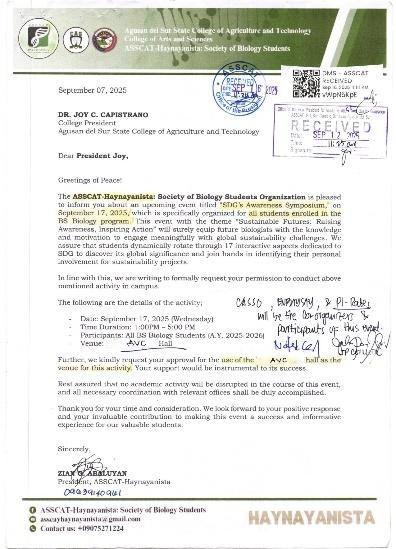
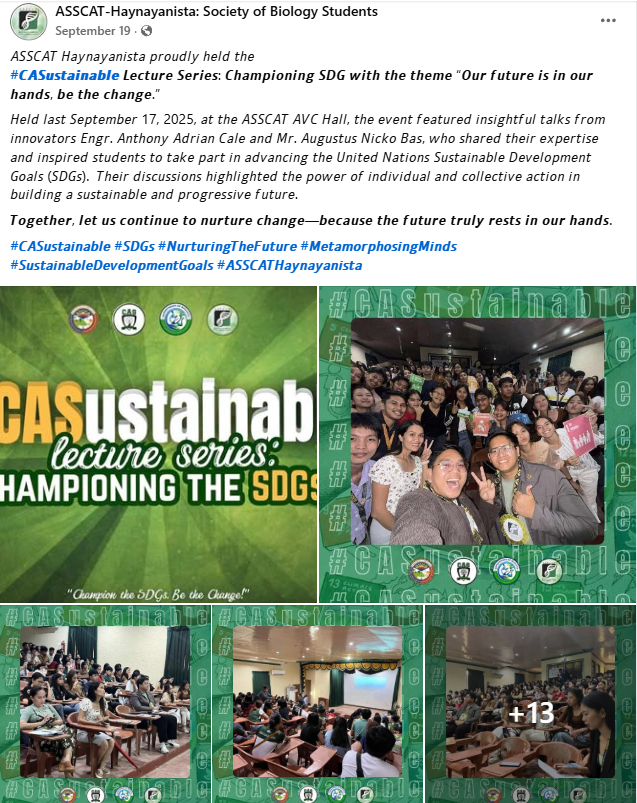

Link: https://drive.google.com/file/d/1s34ApRQmIGqA1TE27b-rKT3lBvhXkuX1/view?usp=drive_link
https://www.facebook.com/share/p/16zVYtpgYg
The Agusan del Sur State College of Agriculture and Technology (ASSCAT), through the College of Arts and Sciences, proudly held the #CASustainable Lecture Series: “Championing SDG” with the theme “Our future is in our hands, be the change.” The event, conducted on September 17, 2025, at the ASSCAT Audio-Visual Center (AVC) Hall, exemplified the institution’s unwavering dedication to advancing the United Nations Sustainable Development Goals (SDGs) through education, innovation, and youth empowerment.
Anchored on ASSCAT’s commitment to nurturing globally competent, sustainability-driven graduates, the lecture series served as a dynamic platform for knowledge exchange and environmental advocacy. It featured innovators and sustainability advocates, Engr. Anthony Adrian Cale and Mr. Augustus Nicko Bas, who shared their insights and expertise on the critical role of youth engagement, technology, and community collaboration in realizing the SDGs. Their discussions underscored the transformative power of individual and collective action in building a more sustainable, resilient, and equitable society.
The #CASustainable Lecture Series aimed to instill among students a deeper understanding of the interconnectedness between human progress and planetary health, aligning with SDG 4 (Quality Education), SDG 13 (Climate Action), and SDG 17 (Partnerships for the Goals). Through interactive dialogues, participants explored practical solutions to pressing global issues—ranging from climate change mitigation and sustainable agriculture to responsible consumption and innovation.
This initiative reflects ASSCAT’s holistic approach to sustainability education, integrating academic learning, civic responsibility, and environmental stewardship. It reinforces the college’s belief that real change begins with informed action and that every student has the potential to become a catalyst for sustainable transformation.
Indeed, as the Haynayanista community continues to ignite conversations on sustainability and inclusive growth, the call to action remains clear: our future truly rests in our hands. Together, we nurture change—today, for a better tomorrow.
General Education (GE) subjects with sustainability content (e.g., “Science, Technology, and Society” or “The Contemporary World”)

Link: https://drive.google.com/file/d/1edwoltfmx2P3eeRFovDvnZvO2LtMIT40/view?usp=drive_link
https://drive.google.com/file/d/1M8Hew1Y7S5OcAf1WGqNRcDyZIpPQsWCV/view?usp=drive_link
The Agusan del Sur State College of Agriculture and Technology (ASSCAT) demonstrates its strong commitment to advancing the United Nations Sustainable Development Goals (SDGs) through the integration of sustainability concepts within its General Education (GE) curriculum. Core GE subjects such as Science, Technology, and Society (STS) and The Contemporary World are strategically designed to promote sustainability literacy, critical awareness, and global citizenship among students.
In the course Science, Technology, and Society, learners explore the intricate relationship between scientific advancement, technological innovation, and human development. The syllabus emphasizes ethical responsibility, environmental stewardship, and sustainable innovation, equipping students to make informed decisions that align with SDG 9 (Industry, Innovation and Infrastructure), SDG 12 (Responsible Consumption and Production), and SDG 13 (Climate Action). Through reflective discussions, case studies, and research-based outputs, students analyze real-world issues such as climate change, renewable energy, biodiversity loss, and sustainable agriculture — all central to ASSCAT’s institutional mission as an agricultural and technological college.
Meanwhile, The Contemporary World deepens students’ understanding of globalization, cultural interdependence, and socio-economic sustainability. It situates learners in the context of global challenges — from inequality and migration to ecological degradation — and encourages them to identify localized, actionable solutions. By integrating topics such as peacebuilding, sustainable economic growth, and environmental justice, this course directly contributes to SDG 4 (Quality Education), SDG 10 (Reduced Inequalities), and SDG 16 (Peace, Justice, and Strong Institutions).
Both courses embody ASSCAT’s holistic approach to education for sustainable development (ESD) — merging intellectual inquiry with social responsibility. Faculty members are guided to incorporate community engagement, experiential learning, and problem-solving frameworks that empower students as agents of sustainable change.
Through these sustainability-focused GE subjects, ASSCAT ensures that every student — regardless of discipline — graduates with the mindset, values, and competencies needed to contribute to a sustainable and inclusive future. This academic framework reinforces the college’s identity as a Haynayanista institution that nurtures individuals who think critically, act ethically, and lead responsibly in advancing the SDGs.
Campus-wide sustainability seminars, lectures, or student engagement programs related to SDGs.
𝑨𝑺𝑺𝑪𝑨𝑻 𝑱𝒐𝒊𝒏𝒔 𝑪𝒐𝒎𝒎𝑻𝑬𝑪𝑯 𝑵𝒖𝒔𝒂𝒏𝒕𝒂𝒓𝒂 2025: 𝑬𝒙𝒑𝒍𝒐𝒓𝒊𝒏𝒈 𝑰𝒏𝒅𝒐𝒏𝒆𝒔𝒊𝒂’𝒔 𝑳𝒐𝒄𝒂𝒍 𝑳𝒂𝒏𝒈𝒖𝒂𝒈𝒆𝒔 & 𝑻𝒓𝒂𝒅𝒊𝒕𝒊𝒐𝒏𝒂𝒍 𝑺𝒐𝒏𝒈𝒔
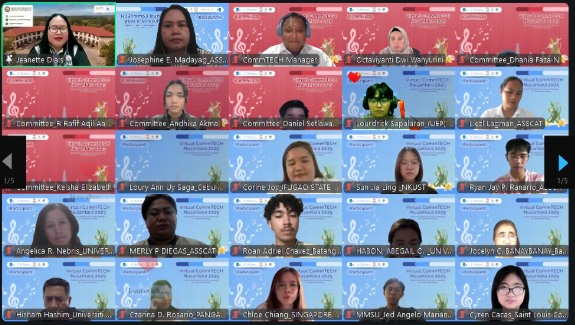
Link:https://www.facebook.com/share/p/17RBnkwkNX/
Agusan del Sur State College of Agriculture and Technology (ASSCAT) proudly took part in the Virtual CommTECH Nusantara 2025, from July 7–18, 2025. A cultural immersion program hosted by Institut Teknologi Sepuluh Nopember, Indonesia. The program focused on Indonesia’s rich local languages and traditional songs, fostering intercultural understanding and global citizenship through virtual collaboration.
The program was attended by the following selected faculty, staff, and students of ASSCAT:
𝐏𝐚𝐭𝐫𝐢𝐜𝐤 𝐉𝐚𝐬𝐬𝐨𝐧 𝐒. 𝐏𝐨𝐣𝐚𝐬, CCIS Faculty, 𝐌𝐞𝐫𝐥𝐲 𝐏. 𝐃𝐢𝐞𝐠𝐚𝐬, CEIT Faculty, 𝐉𝐨𝐬𝐞𝐩𝐡𝐢𝐧𝐞 𝐄. 𝐌𝐚𝐝𝐚𝐲𝐚𝐠, CA Faculty, 𝐋𝐢𝐞𝐳𝐥 𝐒. 𝐋𝐚𝐠𝐦𝐚𝐧, CAS Faculty, 𝐉𝐞𝐦𝐢𝐦𝐚 𝐆𝐰𝐲𝐧𝐞𝐭𝐡 𝐃. 𝐏𝐚𝐣𝐨, VPAFP Staff, 𝐑𝐞𝐡𝐚𝐦 𝐌𝐨𝐧𝐚, CEIT Student, 𝐐𝐮𝐞𝐞𝐧𝐢𝐞 𝐃. 𝐋𝐮𝐜𝐢𝐩, CAS Student, 𝐑𝐲𝐚𝐧 𝐉𝐚𝐲 𝐏. 𝐑𝐚𝐧𝐚𝐫𝐢𝐨, CA Student, 𝐉𝐮𝐚𝐧𝐧𝐚 𝐌𝐚𝐞 𝐑. 𝐍𝐚𝐯𝐚𝐥𝐥𝐚𝐬𝐜𝐚, CBA Student, 𝐌𝐚𝐫𝐢𝐚 𝐒𝐢𝐬𝐚 𝐃. 𝐂𝐚𝐬𝐞𝐫𝐢𝐚𝐥, CTE Student.
Our participation in the program is aligned with ASSCAT’s commitment to SDG 4: Quality Education and SDG 17: Partnerships for the Goals, by promoting inclusive international learning and fostering global academic collaboration.
ASSCAT Hosts CCD for Benchmarking Visit, Strengthens Partnerships for Quality Education
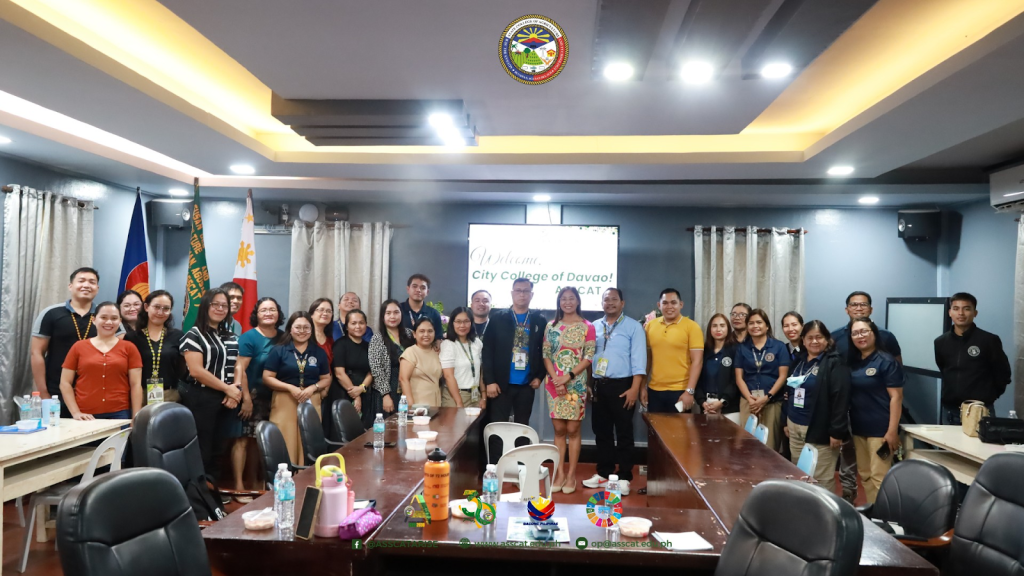
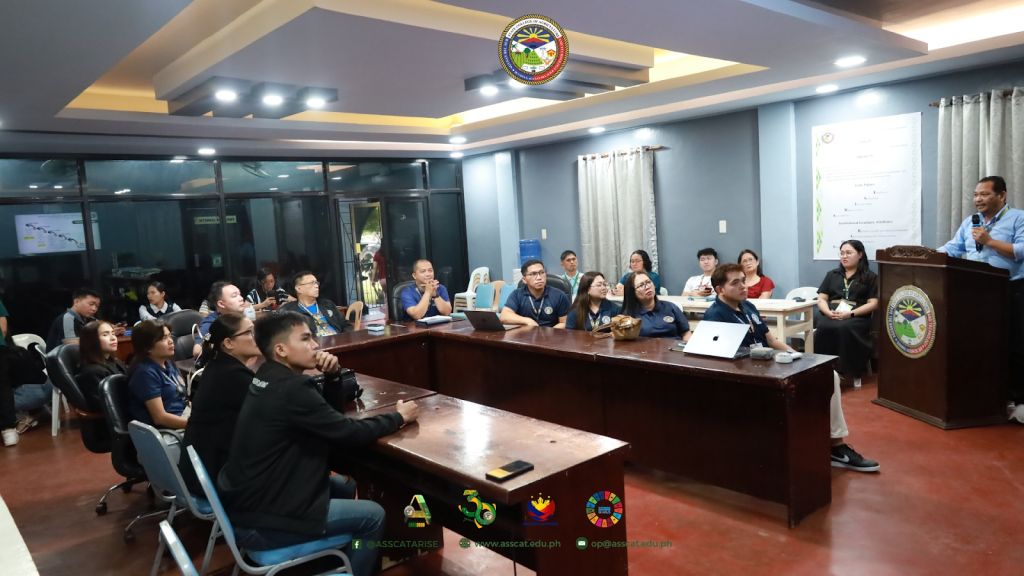
link:https://www.facebook.com/share/p/178fkmbiuo/
Agusan del Sur State College of Agriculture and Technology (ASSCAT) warmly welcomed delegates from the City College of Davao (CCD) on September 19, 2025, for a benchmarking visit held at the QAM Function Hall. The visit highlighted ASSCAT’s institutional practices, operational systems, and academic innovations that define its excellence in higher education.
In her welcome address, College President Dr. Joy C. Capistrano underscored the importance of knowledge-sharing and strategic partnerships in driving innovation and ensuring that education remains responsive to the evolving needs of society.
The CCD delegation, led by Prof. Fe A. EdD, Linkages Coordinator, and Dr. Jamaico C. Magayo, Vice President for Administration, engaged in institutional presentations and a focused group discussion that showcased ASSCAT’s best practices in instruction, administration, and research-extension. These sessions provided CCD with actionable models for enhancing governance, instructional delivery, and community engagement.
Dr. Ismael W. Baog, CCD OSAS/Admission Director, expressed appreciation for ASSCAT’s hospitality and the valuable insights shared during the visit.
The activity reflects ASSCAT’s alignment with SDG 4 (Quality Education), SDG 9 (Industry, Innovation, and Infrastructure), and SDG 17 (Partnerships for the Goals)—underscoring the institution’s commitment to shared growth, academic excellence, and nation-building through higher education.
Orientation programs or student development training that include SDG awareness
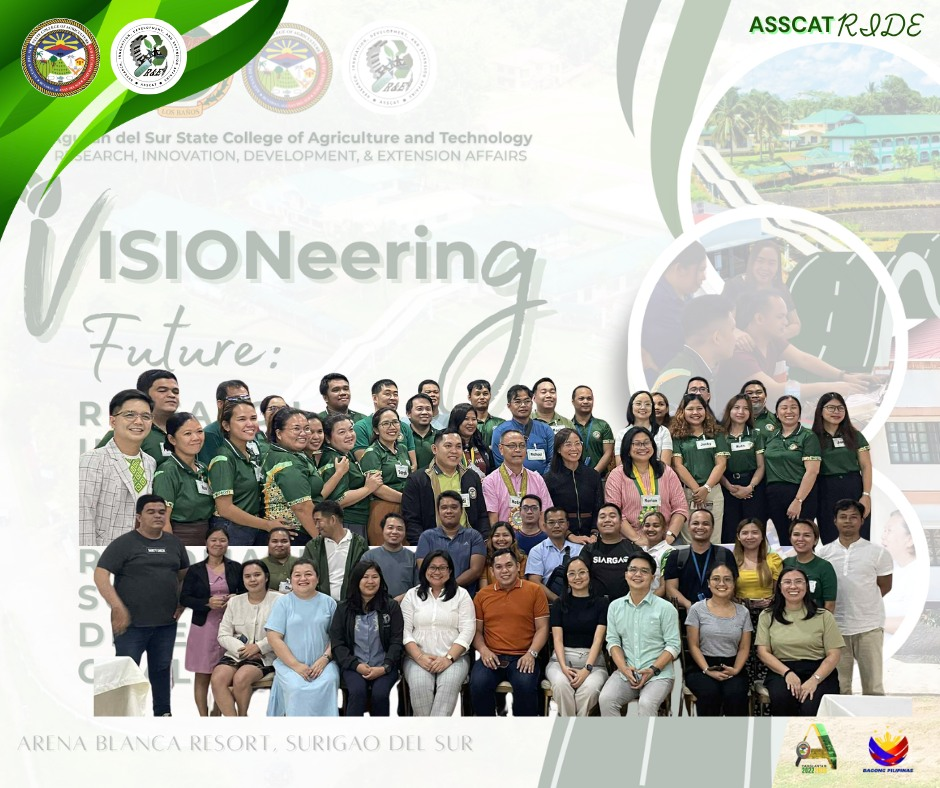
Link: https://www.facebook.com/share/p/1Ck6W3nqiU/
Surigao del Sur – The Agusan del Sur State College of Agriculture and Technology (ASSCAT) successfully conducted the two-day “𝗩𝗜𝗦𝗜𝗢𝗡𝗲𝗲𝗿𝗶𝗻𝗴 𝗙𝘂𝘁𝘂𝗿𝗲: 𝗥𝗲𝘀𝗲𝗮𝗿𝗰𝗵, 𝗜𝗻𝗻𝗼𝘃𝗮𝘁𝗶𝗼𝗻, 𝗗𝗲𝘃𝗲𝗹𝗼𝗽𝗺𝗲𝗻𝘁, 𝗮𝗻𝗱 𝗘𝘅𝘁𝗲𝗻𝘀𝗶𝗼𝗻 (𝗥𝗜𝗗𝗘) 𝗥𝗼𝗮𝗱𝗺𝗮𝗽𝗽𝗶𝗻𝗴 𝗳𝗼𝗿 𝗦𝘂𝘀𝘁𝗮𝗶𝗻𝗮𝗯𝗹𝗲 𝗗𝗲𝘃𝗲𝗹𝗼𝗽𝗺𝗲𝗻𝘁 𝗚𝗼𝗮𝗹𝘀” held at Arena Blanca Resort, San Agustin, Surigao del Sur.
The workshop aimed to align ASSCAT’s Research, Innovation, Development, and Extension (RIDE) roadmap with all the global Sustainable Development Goals (SDGs), integrating the institution’s Panglantaw 2030 and i2FAME Frameworks with evidence-based planning tools and inclusive stakeholder input.
The sessions facilitated by experts from the University of the Philippines Los Baños (UPLB) were instrumental in guiding ASSCAT toward a more strategic and SDG-aligned roadmap.
Also, a SWOT analysis of the RIDE ecosystem and a critical reflection session on program gaps, enabled participants to assess institutional capacity, identify priority areas, and strengthen their planning mindset. These sessions empowered ASSCAT to move forward with a clearer, evidence-based, and impact-driven approach to its RIDE roadmap.
The second day focused on structured planning and logframe development. Also, a comprehensive session on Logical Framework (LogFrame) development, guiding participants in crafting measurable, time-bound, and SDG-aligned outcome plans for RIDE initiatives.
In the afternoon, groups presented their LogFrame outputs, which were then refined and synthesized during the session culminating in the integration of action points into the institution’s strategic roadmap.
The two-day workshop concluded with celebrating the commitment of ASSCAT to advance inclusive, data-driven, and impact-oriented research and extension services for the people of Agusan del Sur and beyond.
𝗜𝗻𝗻𝗼𝘃𝗮𝘁𝗶𝗼𝗻 𝗮𝗻𝗱 𝗜𝗺𝗽𝗮𝗰𝘁: 𝗔𝗦𝗦𝗖𝗔𝗧 𝗔𝗱𝘃𝗮𝗻𝗰𝗲𝘀 𝘁𝗵𝗲 𝗨𝗡 𝗦𝗗𝗚𝘀 𝗶𝗻 𝟮𝟬𝟮𝟱 𝗥𝗲𝘃𝗶𝗲𝘄
Link: https://www.facebook.com/share/p/1BXF8rLrxR/
The Agusan del Sur State College of Agriculture and Technology (ASSCAT) successfully concluded its 2025 Agency In-House Review, held from January 22-24, 2025. Anchored on the theme “RIDE with us: Accelerating Science and Innovation for Sustainable Development,” the event reaffirmed the institution’s dedication to advancing research and extension projects aligning with the 17 United Nations Sustainable Development Goals (SDGs).
The three-day review brought together researchers, extension agents, and evaluators from organizations such as the Department of Science and Technology, NEDA, Provincial Government of Agusan del Sur, DA-ATI, DENR, Partner SUCs, DSWD and the Department of Education among others. Evaluators assessed project proposals based on their alignment with ASSCAT’s RIDE agenda, technical and financial feasibility, potential impact, and overall soundness, ensuring their relevance to both institutional priorities and global development goals.
Led by College President Joy C. Capistrano and Vice President for RIDEA, Prof. Ferdinand Dumalagan, the event emphasized ASSCAT’s strategic efforts under its PANGLANTAW roadmap, particularly Phase 2: Accelerate Science and Innovation. By grounding research and extension initiatives in the principles of sustainability, ASSCAT aligns itself with broader global efforts to address critical challenges such as poverty, food security, climate action, and education.
ASSCAT extends its heartfelt gratitude to its partners, researchers, and extensionists for their unwavering support and active participation. Their collective efforts not only enhanced the quality of discussions but also underscored the importance of collaboration in driving meaningful innovation.
Participants lauded the review for fostering peer learning and refining project ideas. “This process ensures that our research is impactful, innovative, and aligned with ASSCAT’s vision and the UN SDGs,” shared one researcher.
As ASSCAT continues to champion sustainability and innovation, it remains steadfast in its mission to become a globally engaged institution of sustainable agriculture and innovation, contributing to both local and global development priorities.
𝐃𝐫𝐢𝐯𝐢𝐧𝐠 𝐃𝐞𝐯𝐞𝐥𝐨𝐩𝐦𝐞𝐧𝐭 𝐅𝐨𝐫𝐰𝐚𝐫𝐝: 𝐀𝐒𝐒𝐂𝐀𝐓, 𝐓𝐞𝐚𝐦 𝐄𝐝𝐝𝐢𝐞𝐛𝐨𝐧𝐠 𝐀𝐥𝐢𝐠𝐧 𝐨𝐧 𝐋𝐨𝐧𝐠-𝐓𝐞𝐫𝐦 𝐃𝐞𝐯𝐞𝐥𝐨𝐩𝐦𝐞𝐧𝐭 𝐏𝐥𝐚𝐧𝐬
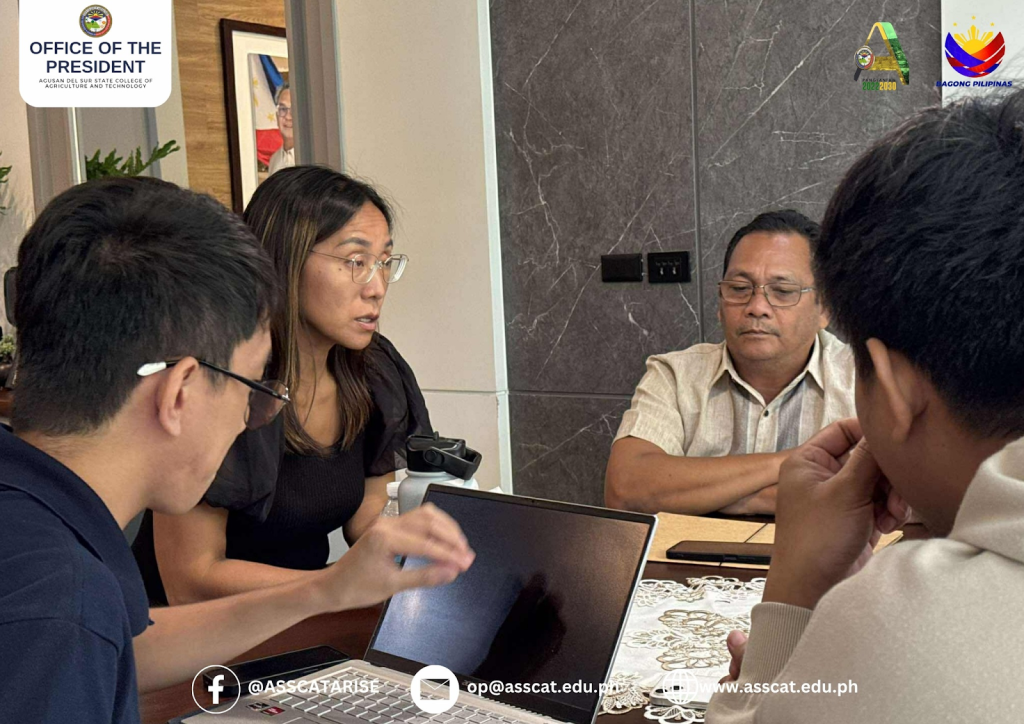
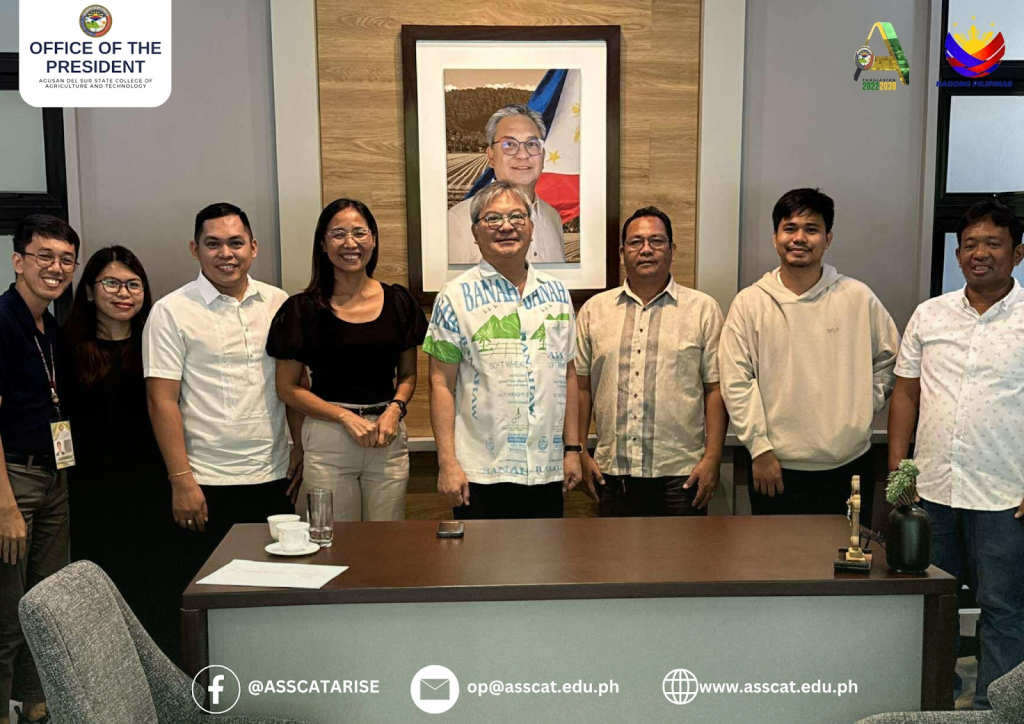
Link: https://www.facebook.com/photo.php?fbid=1604562650886241&set=a.541833430492507&type=3
Earlier today, the Agusan del Sur State College of Agriculture and Technology (ASSCAT), led by College President Dr. Joy C. Capistrano, had a strategic meeting with Congressman Adolph Edward “Eddiebong” Plaza at Patin-ay, Prosperidad, Agusan del Sur.
Also present in the meeting were Dr. Carmelo S. Llanto, Vice President for Academic Affairs and Quality Assurance, Dr. Ferdinand A. Dumalagan, Vice President for Research, Innovation, Development and Extension Services, Dr. Fernando L. Marzo, Jr., Program Leader of Project SLaM 2023/146, Atty. Eric Linderbergh Inovejas, Mr. Leandreux Occasion, and Engr. Janice C. Puspos, Executive Assistant III.
The meeting focused on the institutional and developmental concerns such as the updates and timelines for ASSCAT’s university conversion, the progress of the ACIAR-DOST Project SLaM, the functionality and permit requirements of the Crop and Soils Laboratory, the Memorandum of Agreement with the Provincial Government of Agusan del Sur (PGAS) on durian and banana plantlet production, and updates on ongoing infrastructure and resource development projects, including the Student Center, Faculty Housing, and utilization of donated computers.
These joint efforts show ASSCAT’s strong support for the Sustainable Development Goals (SDGs), especially SDG 4 on Quality Education, SDG 9 on Innovation and Infrastructure, and SDG 17 on Building Partnerships. Through these initiatives, the College continues to promote inclusive growth, advance agricultural research, and make higher education more accessible across the region.
ASSCAT expresses its sincere gratitude to Congressman Adolph Edward “Eddiebong” Plaza and the Provincial Government of Agusan del Sur for their continued support. The College also extends heartfelt appreciation to Cong. Plaza for being the principal author of Republic Act No. 11586 — An Act Converting the Agusan del Sur State College of Agriculture and Technology into the Agusan del Sur State University (ADSSU).
His guidance and partnership remain instrumental as the Institution works toward its goals of becoming a university and promoting inclusive, sustainable development in the region.
𝗗𝗢𝗦𝗧-𝗣𝗧𝗥𝗜 𝗖𝗼𝗻𝗱𝘂𝗰𝘁𝘀 𝗦𝗶𝘁𝗲 𝗩𝗶𝘀𝗶𝘁 𝗮𝘁 𝗔𝗦𝗦𝗖𝗔𝗧 𝗳𝗼𝗿 𝗨𝗽𝗰𝗼𝗺𝗶𝗻𝗴 𝗠𝘂𝗹𝗯𝗲𝗿𝗿𝘆 𝗮𝗻𝗱 𝗦𝗲𝗿𝗶𝗰𝘂𝗹𝘁𝘂𝗿𝗲 𝗥𝗲𝘀𝗲𝗮𝗿𝗰𝗵 𝗦𝘁𝘂𝗱𝘆
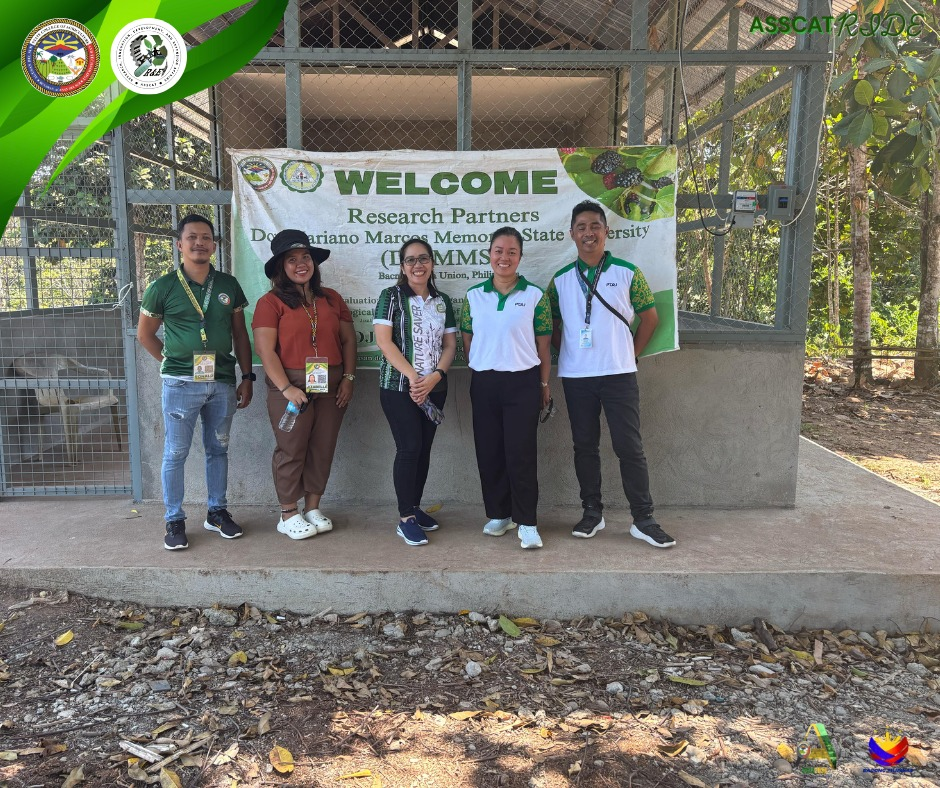
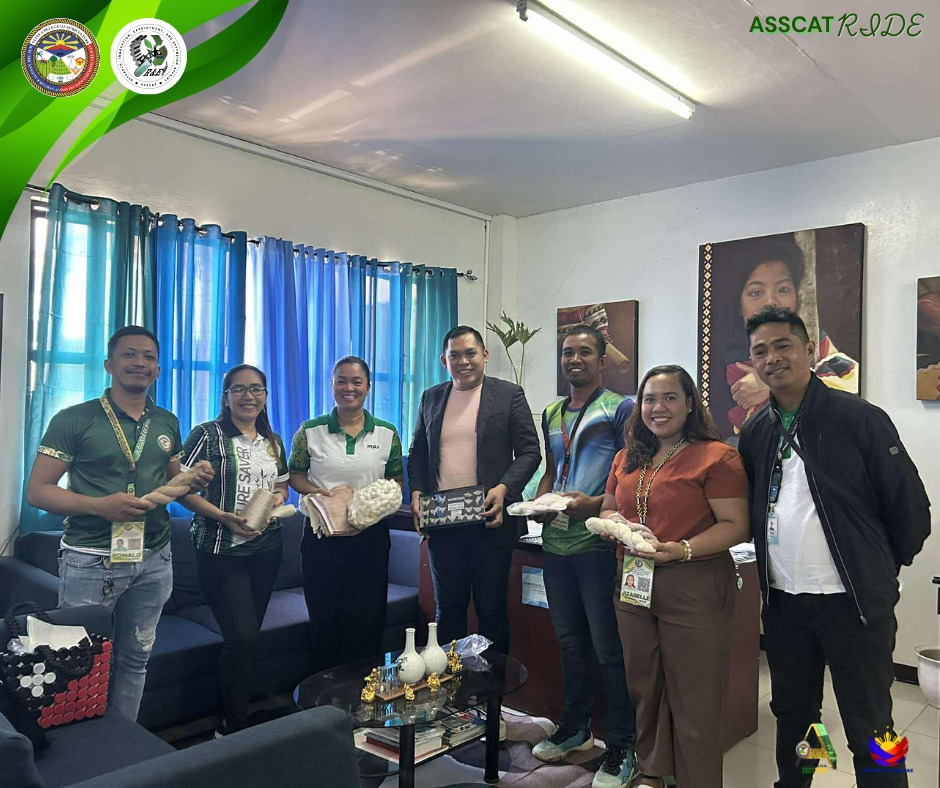
As part of the groundwork for a forthcoming collaborative research initiative, Ms. Cheryl G. Lopez of the Department of Science and Technology – Philippine Textile Research Institute (DOST-PTRI) conducted a site visit at the Agusan del Sur State College of Agriculture and Technology (ASSCAT) on July 31, 2025.
The visit aimed to assess ASSCAT’s research and field readiness for the research study on Mulberry and Sericulture, and to further strengthen institutional collaboration. Ms. Lopez met with Dr. Ferdinand A. Dumalagan, Vice President for Research, Innovation, Development, and Extension (VPRIDEA), and the Mulberry R&D Team led by Dr. Sarah M. Ravelo, engaging in technical discussions focused on research design, site suitability, and strategic alignment.
This initiative highlights ASSCAT’s proactive role in advancing localized sericulture innovation through science-based strategies and inclusive partnerships contributing directly to the achievement of Sustainable Development Goals (SDGs), particularly:
𝗦𝗗𝗚 𝟭: 𝗡𝗼 𝗣𝗼𝘃𝗲𝗿𝘁𝘆 – 𝗯𝘆 𝗰𝗿𝗲𝗮𝘁𝗶𝗻𝗴 𝗹𝗶𝘃𝗲𝗹𝗶𝗵𝗼𝗼𝗱 𝗼𝗽𝗽𝗼𝗿𝘁𝘂𝗻𝗶𝘁𝗶𝗲𝘀 𝘁𝗵𝗿𝗼𝘂𝗴𝗵 𝘀𝗲𝗿𝗶𝗰𝘂𝗹𝘁𝘂𝗿𝗲;
𝗦𝗗𝗚 𝟵: 𝗜𝗻𝗱𝘂𝘀𝘁𝗿𝘆, 𝗜𝗻𝗻𝗼𝘃𝗮𝘁𝗶𝗼𝗻, 𝗮𝗻𝗱 𝗜𝗻𝗳𝗿𝗮𝘀𝘁𝗿𝘂𝗰𝘁𝘂𝗿𝗲 – 𝘁𝗵𝗿𝗼𝘂𝗴𝗵 𝗿𝗲𝘀𝗲𝗮𝗿𝗰𝗵-𝗱𝗿𝗶𝘃𝗲𝗻 𝘁𝗲𝗰𝗵𝗻𝗼𝗹𝗼𝗴𝗶𝗲𝘀 𝗶𝗻 𝗻𝗮𝘁𝘂𝗿𝗮𝗹 𝗳𝗶𝗯𝗲𝗿 𝗽𝗿𝗼𝗱𝘂𝗰𝘁𝗶𝗼𝗻;
𝗦𝗗𝗚 𝟭𝟮: 𝗥𝗲𝘀𝗽𝗼𝗻𝘀𝗶𝗯𝗹𝗲 𝗖𝗼𝗻𝘀𝘂𝗺𝗽𝘁𝗶𝗼𝗻 𝗮𝗻𝗱 𝗣𝗿𝗼𝗱𝘂𝗰𝘁𝗶𝗼𝗻 – 𝗯𝘆 𝗽𝗿𝗼𝗺𝗼𝘁𝗶𝗻𝗴 𝘀𝘂𝘀𝘁𝗮𝗶𝗻𝗮𝗯𝗹𝗲 𝘁𝗲𝘅𝘁𝗶𝗹𝗲 𝘀𝗼𝘂𝗿𝗰𝗲𝘀;
𝗦𝗗𝗚 𝟭𝟳: 𝗣𝗮𝗿𝘁𝗻𝗲𝗿𝘀𝗵𝗶𝗽𝘀 𝗳𝗼𝗿 𝘁𝗵𝗲 𝗚𝗼𝗮𝗹𝘀 – 𝗯𝘆 𝘀𝘁𝗿𝗲𝗻𝗴𝘁𝗵𝗲𝗻𝗶𝗻𝗴 𝗹𝗶𝗻𝗸𝗮𝗴𝗲𝘀 𝘄𝗶𝘁𝗵 𝗻𝗮𝘁𝗶𝗼𝗻𝗮𝗹 𝗿𝗲𝘀𝗲𝗮𝗿𝗰𝗵 𝗶𝗻𝘀𝘁𝗶𝘁𝘂𝘁𝗶𝗼𝗻𝘀.
ASSCAT continues to champion innovation that is rooted in the local context but aligned with national and global development agendas.
Empowering Youth for Sustainable Change through the SDG Localization Lecture
Link:https://www.facebook.com/share/p/1AUh4tmvXK/
The Agusan del Sur State College of Agriculture and Technology (ASSCAT), through the Haynayanista: Society of Biology Students, organized an inspiring discussion on the United Nations Sustainable Development Goals (SDGs), focusing on their localization and the vital role of youth in driving sustainable change. The event brought together student leaders, advocates, and innovators who share a collective vision of building a more inclusive, resilient, and environmentally conscious society.
The session featured a talk by a young ASSCAT representative, who emphasized the importance of integrating the SDGs into local contexts — connecting global sustainability frameworks with the realities and potentials of Agusan del Sur. The discussion encouraged students to explore how science, innovation, and civic participation can address pressing community challenges such as climate resilience, biodiversity conservation, and sustainable livelihoods.
The event also showcased the collaborative spirit of ASSCAT innovators, as the speaker shared the stage with Engr. Adrian Cale, co-founder of O1nnovations – Rainwater Solutions, an initiative promoting sustainable water management and technology-based environmental solutions. Their shared insights demonstrated how youth-led innovations can meaningfully advance SDG 6 (Clean Water and Sanitation), SDG 11 (Sustainable Cities and Communities), and SDG 13 (Climate Action) through practical and scalable approaches.
More than a learning activity, this engagement served as a catalyst for youth empowerment, igniting awareness and action among the Haynayanista community. Students were inspired to reflect on their individual contributions to sustainability — reinforcing ASSCAT’s vision of cultivating graduates who are not only skilled professionals but also responsible stewards of people and the planet.
Through initiatives like this, ASSCAT continues to uphold its role as a regional leader in sustainability education, nurturing youth who champion change and embody the transformative ideals of the Sustainable Development Goals in both thought and action.
Indicator-17.4.2 Specific Courses on Sustainability
| Course Title | Department | Level | SDG Focus |
| Principles of Soil Science | College of Agriculture | Undergraduate | SDG 2, 13, 15 |
| Environmental Management and Protection | Environmental Science | Undergraduate | SDG 6, 13, 15 |
| Green Computing and ICT for Sustainability | Information Technology | Undergraduate | SDG 9, 12, 13 |
| Education for Sustainable Development | Teacher Education | Undergraduate | SDG 4, 5, 13 |
| Smart Engineering and Sustainable Design | Engineering | Undergraduate | SDG 7, 9, 11 |
| Climate-Smart Agriculture and Food Systems | Agriculture | Undergraduate | SDG 2, 13, 15 |
Specific Courses on Sustainability
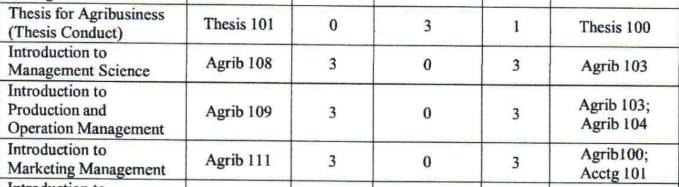
Link: https://drive.google.com/file/d/1ovELV0cxSQ6W8hMmbRCYV6J6y_gxHSgO/view?usp=drive_link
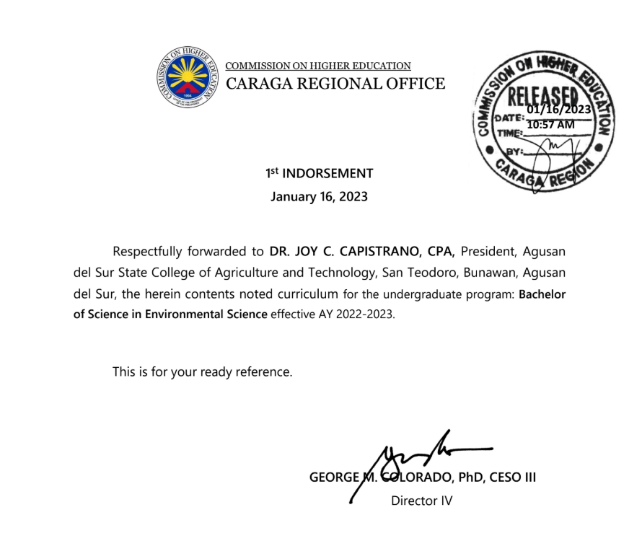
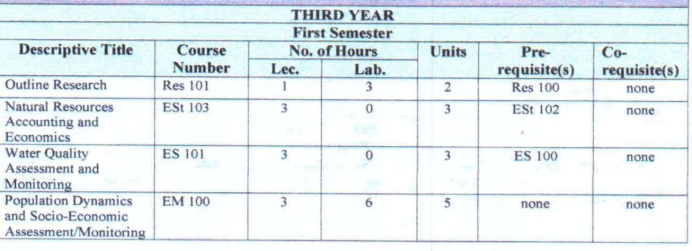
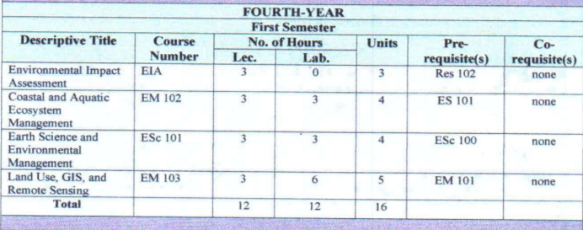
Link: https://drive.google.com/file/d/1Y8t25xRVRoGgOi4VGpdSukp_St6b6WLq/view?usp=drive_link
The Agusan del Sur State College of Agriculture and Technology (ASSCAT) has actively embedded sustainability principles into its academic programs, as evidenced by the curriculum endorsements issued by the Commission on Higher Education (CHED) – Caraga Regional Office. These endorsements, covering degree programs such as Bachelor of Science in Agroforestry, Agriculture, Agribusiness, Environmental Science, and Horticulture, confirm that ASSCAT’s curriculum not only complies with national educational standards but also reflects a deliberate inclusion of sustainability-centered courses. These programs integrate subjects related to environmental stewardship, climate resilience, sustainable agriculture, natural resource management, economics of sustainability, and community-based development.
Specific sustainability-focused courses can be seen across various program levels. For example:
- In Agribusiness and Agriculture, courses such as Production and Operation Management, Agricultural Marketing, Farm Management, Resource Economics, and Environmental Policies in Agribusiness equip students with knowledge on sustainable production systems, ethical business practices, and responsible consumption.
- In Environmental Science, subjects like Environmental Impact Assessment (EIA), Climate Change Adaptation and Mitigation, Natural Resource Management, Ecosystem Dynamics, Watershed Management, and Socio-Economic Assessment and Monitoring directly address sustainability challenges and solutions.
- In Agroforestry and Horticulture Programs, students are trained in Sustainable Crop Production, Forest Ecosystem Management, Soil Conservation, Integrated Farming Systems, and Community-Based Natural Resource Management. These courses prepare graduates to design livelihood systems that protect biodiversity while empowering rural communities.
By offering these specialized courses, ASSCAT demonstrates how higher education institutions can contribute to sustainability education through curriculum innovation. The integration of these subjects ensures that students are not only technically competent but also environmentally aware, socially responsible, and capable of contributing to local and national SDG efforts. These academic programs serve as platforms for producing graduates who can address pressing challenges such as land degradation, climate change, agricultural inefficiency, and unsustainable resource use—turning education into a strategic tool for long-term sustainability and development.
Degree or elective curriculum with sustainability content


The Agusan del Sur State College of Agriculture and Technology (ASSCAT) demonstrates its strong commitment to sustainability education through the integration of sustainability-focused courses across its degree and elective curricula. The institutional curriculum includes multiple programs that incorporate environmental stewardship, sustainable resource management, and climate-responsive practices into academic instruction. These courses are structured not only to build technical competencies but also to instill values of ecological responsibility, social equity, and economic sustainability among students.
Programs such as the Bachelor of Science in Environmental Science and Environmental Studies/Environmental Management feature core subjects like Introduction to Environmental Science, Environmental and Natural Resource Policy and Law, Biodiversity and Protected Areas, Environmental Impact Assessment (EIA), Natural Resources Accounting and Economics, and Waste Management and Pollution Control. These courses train students to assess environmental risks, create policy frameworks, and contribute to sustainable land and resource management. The Earth Science module includes Earth Science and Environmental Management and Soil Science, building foundational knowledge on ecosystems, landforms, and their relevance to sustainable human activities.
In addition, Environmental Monitoring, Population Dynamics, and Socio-Economic Assessment courses ensure that students are equipped to evaluate human-environment interactions and develop solutions that support community resilience. Practical skills are further reinforced through subjects such as Water Quality Assessment, Climate Change Adaptation, Watershed Management, GIS and Remote Sensing, and Coastal and Agricultural Resource Management. These offerings bridge the gap between theory and application, empowering students to design and implement sustainability-driven projects in agriculture, forestry, land use planning, and local governance.
Bottomline, ASSCAT’s curriculum reflects an education system that actively supports sustainable development by preparing graduates to become responsible leaders, researchers, and practitioners capable of addressing pressing environmental challenges. By embedding sustainability across academic disciplines, the institution fosters a culture of environmental accountability, innovation, and community-oriented development.
Dedicated sustainability course outlines
Link:https://drive.google.com/file/d/1T4ygUSbT8yzR8pQM8CfCt7k2tdY9swwl/view?usp=drive_link
The Agusan del Sur State College of Agriculture and Technology (ASSCAT) strengthens sustainability education by including specialized sustainability-focused subjects in the official curriculum of programs such as the Bachelor of Science in Agricultural and Biosystems Engineering (BSABE), Bachelor of Industrial Technology, and other agriculture-related degrees. These curricula, officially endorsed by the Commission on Higher Education (CHED), highlight ASSCAT’s commitment to embedding sustainability principles and environmental stewardship into technical and professional training. The presence of courses that directly address climate resilience, responsible resource use, and sustainable agricultural systems demonstrates a clear alignment with sustainability-focused instruction in higher education.
In the BSABE curriculum, courses such as Environmental Control Engineering, Land and Water Conservation Engineering, Plant and Livestock Systems, and Irrigation and Drainage Engineering equip students with the knowledge and technical skills to design systems that balance agricultural productivity with environmental protection. Additionally, subjects like Renewable Energy for Agricultural and Biosystems Engineering reflect the institution’s push toward clean energy solutions in rural and farming communities, promoting innovations that reduce reliance on fossil fuels and encourage energy-efficient practices. These subjects are strategically placed in the higher years of the program, ensuring that students apply sustainability concepts in research projects and field-based theses, particularly those centered on climate-smart technologies, sustainable land use, and water resource management.
Furthermore, sustainability is not limited to theory. The curriculum requires Thesis/Capstone Projects focused on real-world agricultural challenges, encouraging students to develop practical solutions such as eco-friendly mechanization, soil rehabilitation strategies, and post-harvest technologies that minimize waste. Through these dedicated courses and project-based learning, ASSCAT empowers students to become future engineers, technologists, and community leaders who champion sustainability in agriculture, infrastructure, and local development. This structured academic pathway reinforces a culture of innovation, environmental responsibility, and social relevance within the institution’s educational system.
ASSCAT Personnel Visit DOST-PTRI for Research and Innovation Exposure on Mulberry and Sericulture Technologies
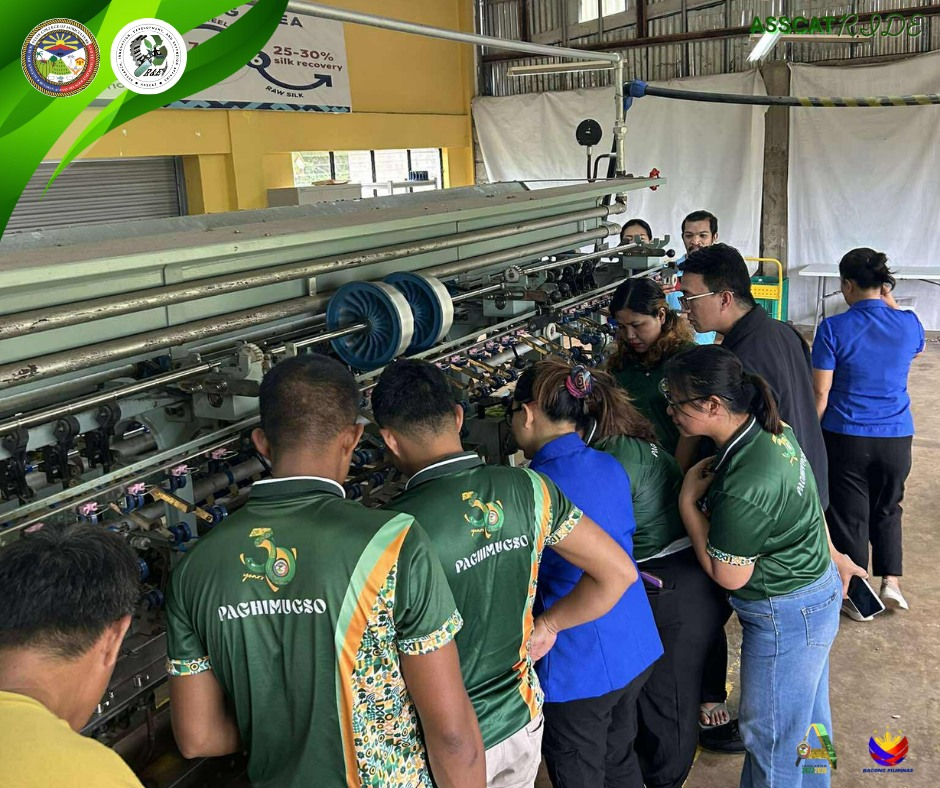
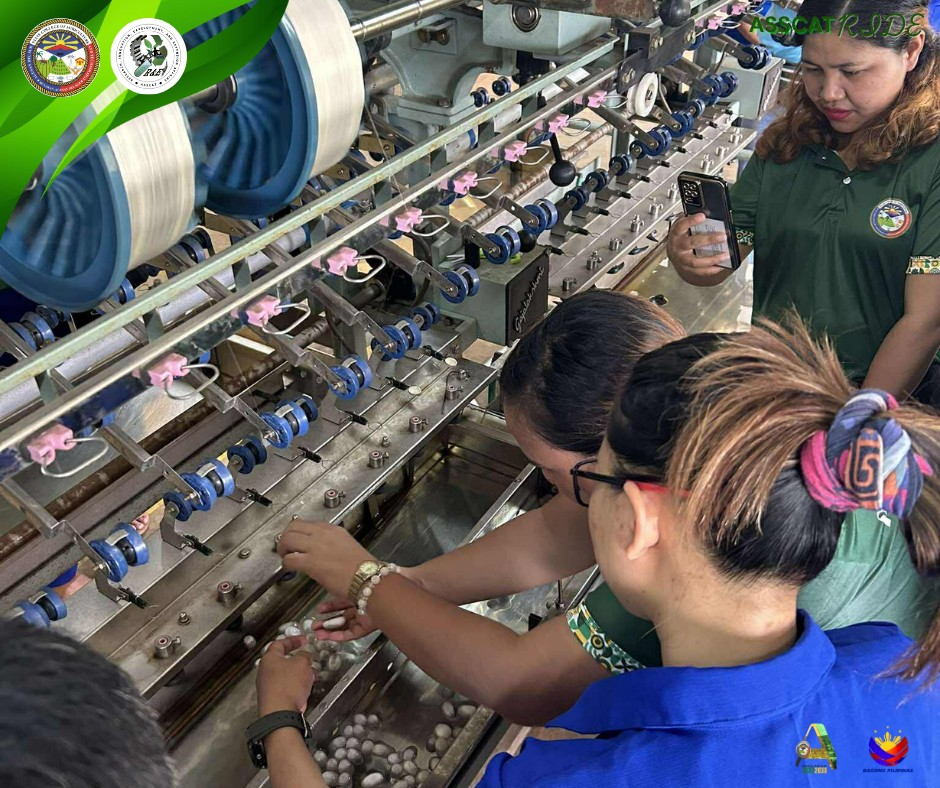
Link: https://www.facebook.com/share/p/1CxLPGmhH1/
The Agusan del Sur State College of Agriculture and Technology (ASSCAT) team conducted a benchmarking and visit to the Department of Science and Technology – Philippine Textile Research Institute (DOST-PTRI) as part of its strategic engagement on Mulberry and Sericulture Technologies, in collaboration with DOST-PCAARRD.
This visit was geared toward exploring the potential of mulberry cultivation and sericulture as viable research and innovation initiatives, with the goal of integrating sustainable textile-based livelihood opportunities in the Caraga Region.
The ASSCAT team was warmly welcomed and engaged by DOST-PTRI personnel, Ms. Cheryl G. Lopez, Senior Science Research Specialist, and Ms. Ritchel M. Merencillo, who shared valuable insights and technical expertise on sericulture practices.
This engagement reinforces ASSCAT’s commitment to advancing research excellence, fostering innovation, and supporting inclusive and sustainable development. It strongly aligns with Sustainable Development Goals—particularly SDG 8 on Decent Work and Economic Growth, SDG 9 on Industry, Innovation and Infrastructure, and SDG 12 on Responsible Consumption and Production.
𝐎𝐃𝐕 𝐢𝐧 𝐀𝐂𝐓𝐈𝐎𝐍: 𝐄𝐦𝐩𝐨𝐰𝐞𝐫𝐢𝐧𝐠 𝐭𝐡𝐞 𝐍𝐞𝐱𝐭 𝐆𝐞𝐧𝐞𝐫𝐚𝐭𝐢𝐨𝐧 𝐨𝐟 𝐋𝐢𝐟𝐞𝐬𝐚𝐯𝐞𝐫𝐬
Link: https://www.facebook.com/share/p/1CXX1cEpr7/
A powerful initiative came to life during the 𝙊𝘿𝙑 𝙞𝙣 𝘼𝙘𝙩𝙞𝙤𝙣: 𝙎𝙮𝙢𝙥𝙤𝙨𝙞𝙪𝙢 𝙤𝙣 𝘽𝙖𝙨𝙞𝙘 𝙇𝙞𝙛𝙚 𝙎𝙪𝙥𝙥𝙤𝙧𝙩 𝙖𝙣𝙙 𝙁𝙞𝙧𝙨𝙩 𝘼𝙞𝙙 𝙏𝙧𝙖𝙞𝙣𝙞𝙣𝙜, held on May 3, 2025, at the ASSCAT CEIT Covered Court, San Teodoro, Bunawan, Agusan del Sur. Spearheaded by Project Leader 𝙈𝙧. 𝙕𝙞𝙚𝙛𝙛 𝘼𝙖𝙧𝙤𝙣 𝙀𝙣𝙘𝙡𝙪𝙣𝙖, this life-changing event brought together NSTP-CWTS students, community partners, and youth leaders for a day of transformative learning and service.
Through hands-on training sessions, simulations, and expert demonstrations, students were equipped with essential skills in Basic Life Support (BLS), CPR, and First Aid, vital tools that empower them to take action in emergencies, save lives, and become responsible responders in their communities.
This symposium not only reinforced practical knowledge but also fostered a deeper sense of duty, resilience, and leadership among the youth. It highlighted the importance of community engagement and proactive disaster preparedness, aligning with global goals:
SDG 3: Good Health and Well-Being
SDG 4: Quality Education
SDG 11: Sustainable Cities and Communities
SDG 17: Partnerships for the Goals
Organized in partnership with the Order of Da Vinci, Sibol, K-I, and other civic institutions, the event embodies the spirit of collaboration and collective action.
Photos of faculty and students conducting fieldwork, sustainability projects, or SDG-related lectures
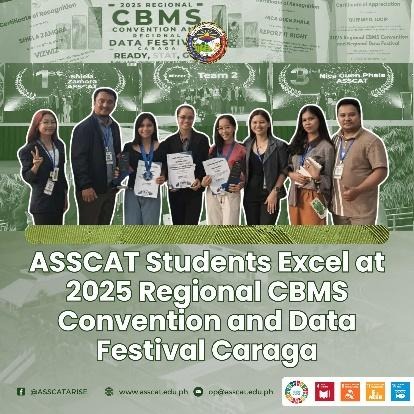
Link: https://www.facebook.com/share/p/1KezEQ7pft/
https://www.facebook.com/share/p/1Mj7L4BCWx
The photos capture the active engagement of ASSCAT faculty and students in initiatives aligned with the United Nations Sustainable Development Goals (SDGs), research development, and data-driven community projects.
In the first photo, taken during the RCBIS 2024: International Research Conference on Business and Interdisciplinary Studies, faculty and student presenters from the BS Entrepreneurship program proudly represent ASSCAT. Their research contributions address key aspects of sustainable enterprise and innovation, demonstrating the institution’s commitment to advancing SDG-focused academic work. The team stands beside the colorful SDG display, symbolizing their dedication to fostering inclusive and sustainable economic growth through scholarly collaboration and applied research.
The second photo highlights ASSCAT students’ outstanding performance at the 2025 Regional CBMS Convention and Data Festival Caraga. The Community-Based Monitoring System (CBMS) is a vital platform for local data collection and analysis that supports evidence-based policymaking and sustainable community development. The students’ participation and excellence in the event reflect their strong analytical skills, civic awareness, and commitment to using data as a tool for social progress and environmental sustainability.
Together, these moments showcase ASSCAT’s integrated approach to education—where classroom learning extends to real-world applications through research, community engagement, and sustainability-oriented projects. Faculty mentorship and student initiative play a central role in translating the principles of the SDGs into tangible, community-benefiting actions.
A brochure of seminars on sustainability
| The brochure highlights ASSCAT’s strong commitment to sustainability through its Research, Innovation, Development, and Extension (RIDE) agenda, which directly complements the institution’s specific courses on sustainability. These courses integrate research-based learning with practical applications that address global issues such as food security, environmental conservation, renewable energy, and sustainable community development. Through the RIDE framework, students gain experiential learning opportunities supported by ₱51.3 million in research funding and partnerships with international institutions. The initiatives presented in the brochure—ranging from seminars to collaborative projects—reinforce the integration of sustainability principles across academic programs, ensuring that ASSCAT graduates are equipped with the knowledge, skills, and values to contribute meaningfully to the Sustainable Development Goals (SDGs). |
Student project outputs related to sustainable farming, climate action, or community-based conservation.
PROJECT SIBOL 2024: AQUA GUARD AND ELECTRIC DIY WORKSHOP || WEEK 3 PROJECT IMPLEMENTATION
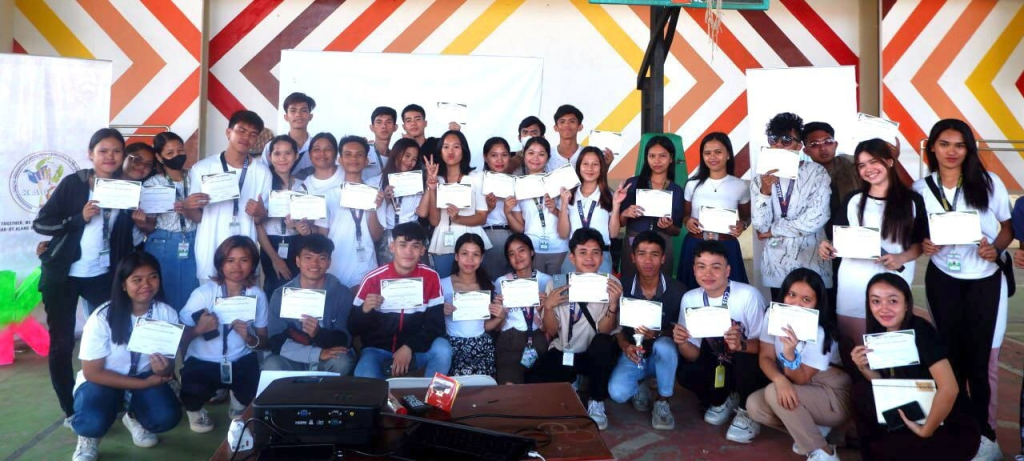
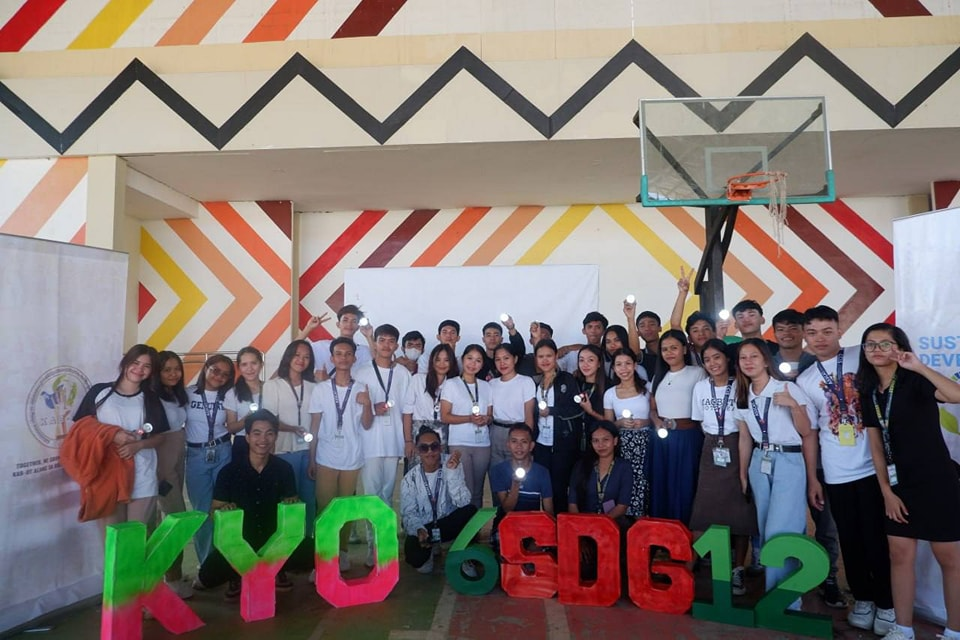
Link: https://www.facebook.com/share/p/1G3CtZmC53/
Lord Daven Heinz Parcon spearheads the project implementation of AQUA GUARD, advancing Sustainable Development Goal 6 through innovative filtration systems and community empowerment, together with Lyca Mae Abastas’s ELECTRIC DIY WORKSHOP aligned with Sustainable Development Goal 12 through hands-on learning experiences, resourcefulness, and awareness to reduce electricity consumption.
The participants are CWTS first-year students from the ASSCAT College of Computing and Information Sciences in the ASSCAT ANNEX COVERED COURT. The project Aqua Guard encompasses two vital topics: R.A. 9275, the Philippine Clean Water Act, and SDG 6: Clean Water and Sanitation, lectured by Jehoshabeth Cal, KYO Treasurer, as well as an electric DIY workshop with the topic Significance of Resourcefulness in the Conservation of Energy.
Let’s join forces to create a brighter future where everyone has access to clean water and sustainable energy, one drop and a watt at a time.
𝗙𝗿𝗼𝗺 𝗙𝗮𝗿𝗺 𝘁𝗼 𝗙𝘂𝘁𝘂𝗿𝗲: 𝗨𝗦𝗔𝗗 𝗦𝘁𝘂𝗱𝗲𝗻𝘁𝘀 𝗝𝗼𝗶𝗻 𝗩𝗮𝗹𝘂𝗲𝘀 𝗙𝗼𝗿𝗺𝗮𝘁𝗶𝗼𝗻 𝗮𝘁 𝗔𝗦𝗦𝗖𝗔𝗧
Link:https://www.facebook.com/share/p/17EuA787e7/
Children of farmers enrolled at Agusan del Sur State College of Agriculture and Technology (ASSCAT), whose parents are beneficiaries of the Upland Sustainable Agri-forestry Development (USAD) Program, participated in a one-day Moral Recovery and Values Formation Seminar on May 8, 2025. This seminar was designed not just for learning, but for grounding.
Organized by the Provincial Government of Agusan del Sur through its Moral Recovery and Values Formation Program (MRVFP) and Education Development Services, the seminar focused on values that extend beyond the classroom — respect, discipline, and responsibility — helping students reflect on how these values guide their actions in both their communities and daily lives.
In his message, Dr. Carmelo S. Llanto, ASSCAT Vice President for Academic Affairs and Quality Assurance, reminded students that education is not just about earning degrees — it’s about finding direction in life. He also expressed his gratitude to the Provincial Government of Agusan del Sur (PGAS) for its ongoing support in ASSCAT’s mission to nurture students holistically.
Mr. Justine Roboca followed with a practical discussion on available educational support for students — from assistantships to financial aid — underscoring the Provincial Government’s commitment to ensuring that students, especially those from farming families, have the resources they need to stay in school.
The USAD Program, launched in 2013, remains the flagship poverty reduction initiative of the province. Built on sustainability, not dependency, USAD empowers upland communities by offering integrated support in farming, natural resource management, and education. It aligns with global goals like SDG 1 (No Poverty), SDG 4 (Quality Education), and SDG 13 (Climate Action).
Many of the students who attended the seminar are living proof of this progress — growing from the fields their families tend to becoming leaders who are shaping the future of their communities.
From farm to classroom, from values to vision — this is what real investment in youth looks like.
Agriculture Students for Sustainable Development Goals
Link:https://www.facebook.com/share/p/1LonKNonJW/
Visit the KYO booth near the ASSCAT Library and don’t forget to take a picture in their SDG photo booth.
NSTP 25-Hour Common Module – Seventh-Day Adventist Program
Link:https://www.facebook.com/share/p/1MK7ybhuRk/
The NSTP 25-Hour Common Module – Seventh-Day Adventist Program serves as a transformative learning experience designed to strengthen civic consciousness, moral integrity, and social responsibility among students. Through interactive lectures and participatory discussions, the program emphasizes the importance of active citizenship and sustainable community engagement. The first session, Citizenship Training Program and Basic Formation, focuses on developing responsible, service-oriented individuals who embody patriotism and volunteerism in their daily lives. Meanwhile, the second session, Introduction to SDGs – YOUth in Action, introduces the United Nations Sustainable Development Goals (SDGs) and highlights the vital role of the youth in driving positive change and sustainability initiatives within their communities. Guided by dedicated resource speakers, the event fosters a spirit of collaboration, compassion, and innovation—preparing ASSCAT students to become agents of social transformation and contributors to national development.
Successful Symposium on Coastal Conservation: “Beyond the Shoreline: Nurturing Life, Protecting Oceans
Link:https://www.facebook.com/share/p/1GpVfG9Htc/
The Symposium on Coastal Conservation, held on September 19, 2025, at the ICT Function Hall, brought together passionate students, faculty members, and advocates committed to environmental stewardship and marine sustainability. With the inspiring theme “Beyond the Shoreline: Nurturing Life, Protecting Oceans,” the event provided a dynamic platform for learning, dialogue, and collective action toward the preservation of coastal and marine ecosystems. Led by the ENBAYSAY and Biology students, the symposium featured insightful discussions on the ecological significance of coastal areas, the challenges posed by pollution and climate change, and the practical steps that individuals and communities can take to protect marine biodiversity. The program not only deepened participants’ understanding of ocean conservation but also strengthened their commitment to advancing the United Nations Sustainable Development Goals (SDGs)—particularly SDG 13 (Climate Action), SDG 14 (Life Below Water), and SDG 15 (Life on Land). Through collaboration and awareness, the event reaffirmed ASSCAT’s dedication to fostering environmental consciousness and empowering students to become active custodians of our planet’s natural resources.
𝗦𝗼𝗶𝗹, 𝗙𝗼𝗼𝗱, 𝗮𝗻𝗱 𝗗𝗶𝗴𝗶𝘁𝗮𝗹 𝗥𝗲𝘀𝗽𝗼𝗻𝘀𝗶𝗯𝗶𝗹𝗶𝘁𝘆: 𝗖𝗼𝗻𝘃𝗲𝗿𝘀𝗮𝘁𝗶𝗼𝗻𝘀 𝗧𝗵𝗮𝘁 𝗠𝗮𝘁𝘁𝗲𝗿
Link:https://www.facebook.com/share/p/178ivcno23/
In celebration of Paghimugso 2025: ASSCAT’s 30th Charter Anniversary, today’s 𝗣𝗮𝗿𝘁𝗻𝗲𝗿𝘀 𝗙𝗼𝗿𝘂𝗺 convened faculty, staff, students, farmers, and institutional partners from various sectors at the ASSCAT Sports and Socio-Cultural Center for in-depth discussions on soil health, sustainable food production, and ethical digital engagement.
𝗔𝗴𝗿𝗜𝗱𝗲𝘆𝗮: 𝗟𝘂𝗽𝗮, 𝗣𝗮𝗴𝗸𝗮𝗶𝗻, 𝗮𝘁 𝗔𝗴𝗿𝗶𝗸𝘂𝗹𝘁𝘂𝗿𝗮 featured expert talks highlighting the crucial role of sustainable agriculture and ethical digital practices in achieving global development goals.
Lupa – Dr. Johnvie Goloran, Senior Research Fellow at Griffith University, Australia, emphasized how soil health is the foundation of food security and climate resilience.
Pagkain – Asst. Prof. Cherie Dela Peña of ASSCAT tackled food production strategies, highlighting sustainable methods to support local farmers and ensure food security.
Digital Responsibility – Atty. Daniel Diaz, Dean of the College of Law at North Eastern Mindanao State University, discussed social media etiquette for government employees, emphasizing professionalism, ethical engagement, and responsible communication.
These discussions reinforced ASSCAT’s commitment to sustainable development, aligning with UN Sustainable Development Goals (SDGs): SDG 15 (Life on Land), which advocates for sustainable land use and combating soil degradation; SDG 2 (Zero Hunger), which promotes resilient agricultural practices for food security; and SDG 16 (Peace, Justice, and Strong Institutions), which underscores ethical governance and transparency in digital spaces.
Each session concluded with an open forum, where participants exchanged insights and explored ways to integrate these discussions into ASSCAT’s mission of sustaining agriculture and driving innovation.
As ASSCAT celebrates three decades since its founding, marked by Paghimugso, the institution remains steadfast in its commitment to growth, transformation, and service to the community. This year’s celebration reaffirms its mission to sustain agriculture, empower stakeholders, and propel innovation for the years ahead.
Indication-17.4.3 Education in the wider community
| Year | Program Title | Target Group | Description | No. of Participants | Outcome | Reference |
| 2024 | EduKalidad: Kalidad na Edukasyon Para sa Lahat Project | Department of Education (DepEd) secondary-level educators | Teacher 4.0: Training and Workshop cum Professional Development-Strategic Intervention Material | 40 | Tangible Outputs 1. Produced at least 1 SIM in Mathematics,Science, and English.2. Produced at least 1 Action Research inMathematics, Science, and English.3. Produced at least 1 publication related tothe extension.Intangible Outputs1. Additional knowledge on techniques for preparingSIM as a tool for learning enhancement.2. Additional skills of crafting and engaging activitiesand student-centered learning materials | Link |
| 2023 | Barangay Integrated Development Approach for Systematic Instruction in Livelihood Alleviation (BIDASILA) | Government employees | Competency Enhance Training for Government Employees (Final Coaching) | 28 | Prepared and equipped with enhanced knowledge and test-taking skills | Link |
| 2024 | Comprehensive Approach and People-oriented Initiatives and Trainings with Balanced and Inclusive Sustainable Innovations for Responsive Regional Growth (CAPIT-BISIG) Extension Program | Teachers of West Bunawan National High School and BSED-Mathematics Students | Training Workshop on the Preparation of Audio-Visual Strategic Intervention Materials (SIM) | 31 | Educators and pre-service teachers equipped with enhanced skills in developing, validating, and utilizing audio-visual Strategic Intervention Materials (SIM) for improved teaching and learning practices | Link |
| 2022 | Convergence Household Action in Nurturing Good Environment (CHANGE) | Faculty members, 4th year students, community dwellers | Community-based Training Workshop on Riparian Zone Assessment, Management and Protection in Imelda Watershed | 99 | Increased awareness and practical knowledge on watershed management and riparian zone protection, demonstrated through active participation in lectures, group activities, and tree-planting initiatives, supporting environmental sustainability | Link |
| 2025 | Innovations on Smart Engineering for Agro-industrial Management and Development (i-SEAMD) | LGU Rosario and Bunawan Agusan del Sur | The Flood Alert System Technology (FAST) Knowledge Dissemination of the Buhisan Bridge, Rosario, Agusan del Sur and Bry. San Marcos, Bunawan, Agusan del Sur monitoring stations | 109 | Tangible OutputsPresentation MaterialsNumber of stakeholders with knowledge in the installed flood alert systemShort educational videosIntangible OutputsEnhanced understanding of flood risksKnowledge in the installed flood monitoring systemImproved literacy in early warning systemsIncreased sense of preparednessKnowledge in basic system troubleshooting | Link |
| 2023 | Barangay Integrated Development Approach for Systematic Instruction in Livelihood Alleviation (BIDASILA) | LGU Trento, Sta. Josefa, and Esperanza Agusan del Sur | The Giant Swamp Taro 3 PROs (PROmote, PROtect, and PROduce) | 163 | Tangible OutputsEnhanced GIS-based map of GSTGST food productsIntangible OutputsEnhanced knowledge on Giant Swamp TaroAppreciation on the value of GST in the communityKnowledge on GST food processing | Link |
| 2024 | Innovations on Smart Engineering for Agro-industrial Management and Development (i-SEAMD) | Residents of Barangay Nueva Era | Workshop in Solar PV System Design, Safety and Application | Men aged 18-50 years old resident of Barangay Nueva Era | Tangible OutputsInstallation of a 400 watt basic Solar PV system set up.Intangible OutputsAdditional knowledge on solar PV design.Additional skills on solar PV application. | Link |
| 2025 | Innovations on Smart Engineering for Agro-industrial Management and Development (i-SEAMD) | LGU of Barangay Imelda | Sustaining Tilapia Production Project of Barangay Imelda | 45 | Tangible OutputsOne (1) set pond aeration systemOne (1) set water conveyance systemProduction of marketable tilapiaIntangible OutputsEnhanced knowledge in pond aeration system and water conveyance.Basic knowledge in operating and troubleshooting of pond aeration system.Expertise in operating pond aeration system. | Link |
| 2024 | Most Innovative HEIs in Promoting Peace and IP Education. | Higher Education Institutions (HEIs) | BIGKIS: 1st Philippine Higher Education Conference on Indigenous Peoples Education | 5 | Strengthened partnerships among HEIs promoting inclusive and culture-based education for Indigenous Peoples | Link |
| 2023 | Inhinang tu Indigenous Peoples Youth Club (IPYC) | Indigenous youth leaders and students | ASSCAT Indigenous People Youth Club Organization Celebrates IP Month | 85 | Promoted cultural pride, leadership, and participation among Indigenous youth | Link |
| 2025 | International Industrial Talents Education (INTENSE) Program | Students in STEM and finance-related programs | This initiative connects students with academic training, internships, and employment pathways in fields such as STEM and finance. | 150 | Strengthened academic-industry linkage through internship opportunities and skills alignment with global industry standards | Link |
Education in the Wider Community
In pursuit of strengthening multi-sectoral partnerships for quality education and sustainable development, several educational initiatives were implemented to extend learning opportunities beyond the classroom and into the wider community. These programs reflect the institution’s commitment to SDG 17 (Partnerships for the Goals), specifically 17.4: Education for the SDGs, by fostering community-based learning, technical training, and professional development that support inclusive, equitable, and sustainable growth.
EduKalidad: Kalidad na Edukasyon Para sa Lahat Project (2024)
The EduKalidad program engaged 40 secondary-level educators from the Department of Education (DepEd) through the “Teacher 4.0: Training and Workshop cum Professional Development on Strategic Intervention Materials (SIM).” The initiative empowered teachers to design, produce, and publish instructional materials that address learning gaps in Mathematics, Science, and English.
Tangible outputs included the creation of SIMs, action research, and publications, while intangible outcomes involved enhanced knowledge of learning enhancement techniques and improved pedagogical skills for student-centered instruction. This program not only elevated teaching quality but also promoted sustainable innovation in classroom practices.
Barangay Integrated Development Approach for Systematic Instruction in Livelihood Alleviation (BIDASILA) – Government Employees Final Coaching (2023)
A total of 28 government employees participated in the Competency Enhancement Training for Government Employees, which aimed to strengthen their professional capabilities and workplace competencies. The training provided targeted coaching sessions that improved participants’ confidence, knowledge, and test-taking skills necessary for government certification and advancement. This initiative exemplified education for capacity development and sustainable public service delivery.
CAPIT-BISIG Extension Program (2024)
The Comprehensive Approach and People-oriented Initiatives and Trainings with Balanced and Inclusive Sustainable Innovations for Responsive Regional Growth (CAPIT-BISIG) Program trained 31 teachers of West Bunawan National High School and BSED-Mathematics students. The Training Workshop on the Preparation of Audio-Visual Strategic Intervention Materials (SIM) enhanced the participants’ skills in developing, validating, and utilizing innovative learning tools. This collaboration between teachers and pre-service educators reinforced their ability to create engaging learning materials that improve student outcomes, thus fostering a culture of sustainable teaching and learning practices.
Convergence Household Action in Nurturing Good Environment (CHANGE) (2022)
The CHANGE program engaged 99 faculty members, students, and community dwellers in a Community-based Training Workshop on Riparian Zone Assessment, Management, and Protection in Imelda Watershed.
Through lectures, group activities, and tree-planting initiatives, participants gained deeper understanding and hands-on experience in environmental management and watershed protection. This initiative promoted community environmental literacy, collective responsibility, and sustainable ecosystem management—contributing to SDG 13 (Climate Action) and SDG 15 (Life on Land) through education-driven community engagement.
Innovations on Smart Engineering for Agro-industrial Management and Development (i-SEAMD): The Flood Alert System Technology (FAST) Knowledge Dissemination (2025)
This i-SEAMD project engaged 109 participants from LGUs in Rosario and Bunawan, Agusan del Sur, focusing on The Flood Alert System Technology (FAST). The activity provided stakeholders with technical knowledge and educational materials on the installation and operation of flood monitoring systems at the Buhisan Bridge and Barangay San Marcos monitoring stations.
Tangible outputs included presentation materials, stakeholder capacity-building sessions, and educational videos, while intangible outcomes featured improved understanding of flood risks, preparedness, and technical troubleshooting. This initiative underscored the role of education in enhancing community resilience and disaster readiness.
BIDASILA: The Giant Swamp Taro 3 PROs (PROmote, PROtect, and PROduce) (2023)
Under the BIDASILA framework, 163 participants from LGUs of Trento, Sta. Josefa, and Esperanza, Agusan del Sur participated in the Giant Swamp Taro 3 PROs Project.
This program focused on mapping, food production, and value appreciation of the Giant Swamp Taro (GST), a local crop with high economic and cultural value. Tangible outputs included an enhanced GIS-based map and GST-derived food products, while intangible results included increased community appreciation, processing knowledge, and awareness of sustainable agriculture practices. The initiative linked indigenous crops to food security and local livelihood sustainability.
i-SEAMD: Workshop in Solar PV System Design, Safety, and Application (2024)
This workshop trained men aged 18–50 years old from Barangay Nueva Era on Solar PV system design, installation, and application. Participants gained technical and practical skills through hands-on sessions, resulting in the installation of a 400-watt basic Solar PV setup. Beyond the tangible solar system output, participants acquired additional knowledge on renewable energy systems and skills in solar PV applications, contributing to the promotion of sustainable energy solutions at the community level in line with SDG 7 (Affordable and Clean Energy).
i-SEAMD: Sustaining Tilapia Production Project of Barangay Imelda (2025)
This extension project benefited 45 participants from the LGU of Barangay Imelda by introducing pond aeration and water conveyance systems to sustain local tilapia production. Through capacity-building sessions, the program delivered tangible outputs such as the installation of new aquaculture systems and tilapia production, while intangible outcomes included enhanced technical knowledge, operational skills, and expertise in aquaculture management. The project strengthened the community’s capacity for sustainable fish farming, contributing to food security and livelihood enhancement.
Collectively, these initiatives demonstrate the institution’s active role in promoting education in the wider community through:
- Knowledge dissemination and technical training in agriculture, engineering, climate resilience, and education.
- Capacity building and empowerment of educators, local leaders, students, and community dwellers.
- Integration of sustainability principles into community-based education, aligning with the Sustainable Development Goals.
Through sustained partnerships and inclusive learning approaches, these programs illustrate how education serves as a powerful driver for community transformation and sustainable development—fully supporting SDG 17.4.3 Education in the Wider Community.
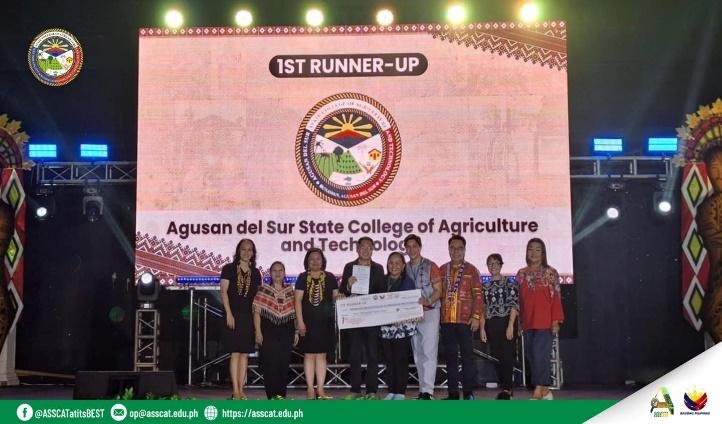
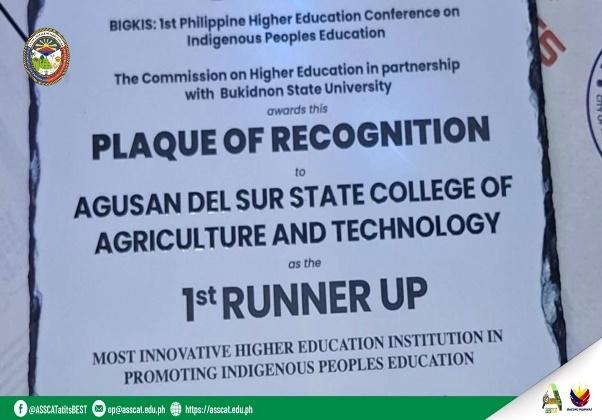
Link:https://www.facebook.com/share/p/15LyDaQvuMb/
ASSCAT Bags 1st Runner-Up in National Competition for Promoting Peace and Indigenous Peoples (IP) Education
Agusan del Sur State College of Agriculture and Technology (ASSCAT) proudly earned the 1st Runner-Up title in the National Search for the Most Innovative Higher Education Institutions (HEIs) in Promoting Peace and IP Education. This remarkable recognition reflects ASSCAT’s steadfast commitment to embedding Indigenous Peoples and Peace Education in higher learning—nurturing cultural inclusivity, understanding, and sustainability.
The competition took place during the 1st Indigenous Peoples and Peace Studies Higher Education Summit held on July 4–5, 2024, at Bukidnon State University (BukSU) in Malaybalay City, Bukidnon. Among the top-performing institutions, BukSU emerged as the champion, while the University of Southeastern Philippines (USEP) earned the 2nd runner-up spot.
ASSCAT’s recognition shines a light on its innovative strategies and meaningful initiatives that advance peacebuilding and celebrate cultural diversity within the academic landscape. The awarding ceremony honored participating HEIs that have made significant strides in integrating Indigenous knowledge and peace education into their programs—key elements in strengthening unity and respect across communities.
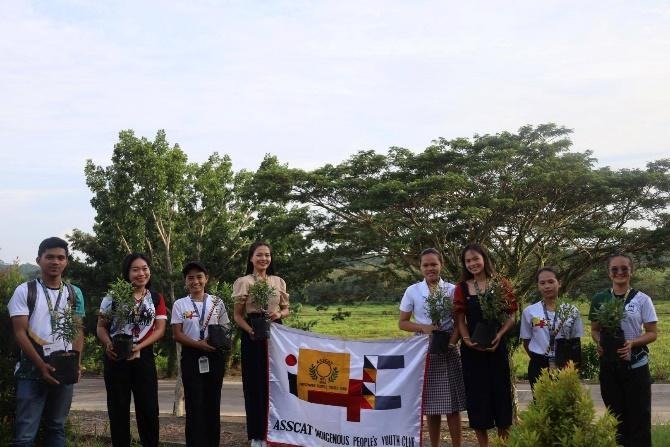
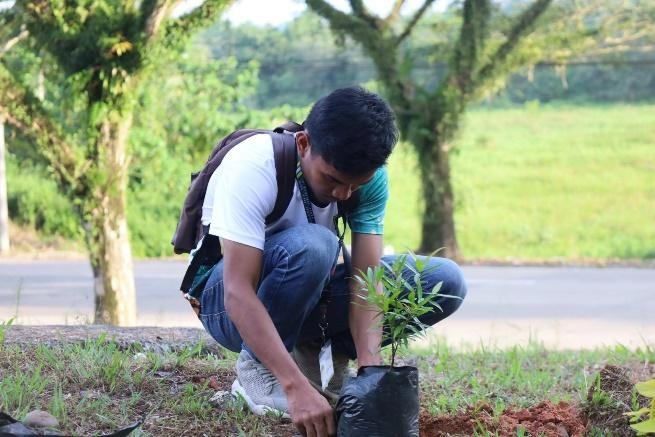
Link: https://www.facebook.com/share/p/17HxFvT6Ls/
Inhinang tu IPYC // October 13, 2023
Indigenous people play a vital role in environmental conservation and sustainability through biodiversity stewardship, sustainable land practices, forest conservation, climate change resilience, cultural connections, and environmental advocacy. We, the ASSCAT Indigenous People Youth Club Organization Celebrates IP Month through Planting hope for a greener future.
Students from the IPYC at the School of Living Tradition received their certificates of completion.
ASSCAT Joins Global Talent Mobility Initiative Through INTENSE Program

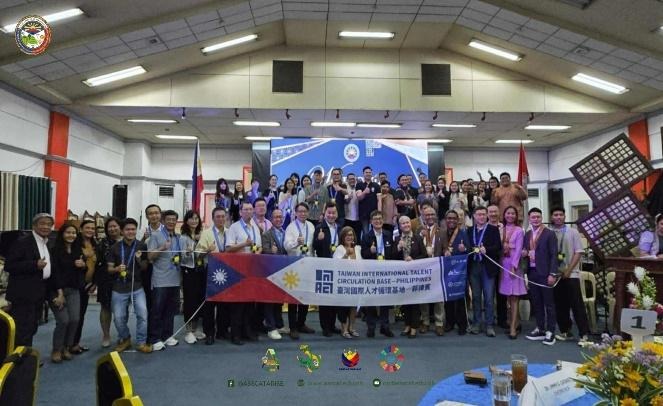
Link: https://www.facebook.com/share/p/1A6DznKSWk/
Agusan del Sur State College of Agriculture and Technology (ASSCAT) has joined the international movement advancing global education and workforce readiness through its participation in the International Industrial Talents Education (INTENSE) Program—a Taiwan-led initiative fostering academic and industry collaboration.
On April 28, 2025, ASSCAT President Dr. Joy C. Capistrano represented the College during the Memorandum of Understanding (MOU) signing held at the Technological University of the Philippines–Manila. The INTENSE Program bridges students to opportunities for academic training, industry-based internships, and employment in high-demand sectors such as STEM and finance.
ASSCAT’s participation marks a significant step toward strengthening international linkages and global mobility, providing students with broader exposure to cross-border learning and career advancement. This partnership reinforces the institution’s drive for innovation, inclusive education, and global competitiveness.
Aligned with the United Nations Sustainable Development Goals (SDGs)—particularly SDG 4 (Quality Education), SDG 9 (Industry, Innovation, and Infrastructure), and SDG 17 (Partnerships for the Goals)—this initiative underscores ASSCAT’s commitment to equipping learners with the skills and experiences needed to thrive in an interconnected world.
List of Memorandum of Agreement (MOA) proving ASSCAT’s role as educator/training partner.
The Agusan del Sur State College of Agriculture and Technology (ASSCAT) continues to assert its leadership in advancing the United Nations Sustainable Development Goals (SDGs) by establishing strong, strategic partnerships that integrate education, research, and community development. Guided by its institutional philosophy of Education for Sustainable and Inclusive Growth, ASSCAT’s collaborative programs with government agencies, academic institutions, and local communities exemplify its enduring commitment to “Education in the Wider Community” under SDG 17: Partnerships for the Goals.
ASSCAT’s role as an educator and training partner is reflected in a series of Memoranda of Agreement (MOA) approved by the Board of Trustees, which serve as formal frameworks for advancing research-driven and community-centered initiatives. Each partnership underscores the institution’s dedication to developing innovations, enhancing capacities, and transferring technologies that foster sustainable livelihoods and resilient ecosystems.
Among its landmark collaborations is the Advancing Sustainable Caraga Food Innovation Consortium Development project with the Department of Science and Technology (DOST)–Caraga Region, approved during the 146th BOT Meeting (Resolution No. 25-031) on February 7, 2025. This partnership, amounting to ₱275,000.00, strengthens ASSCAT’s capacity to promote food security, agro-industrial innovation, and entrepreneurship within local communities, particularly supporting SDG 2 (Zero Hunger) and SDG 9 (Industry, Innovation, and Infrastructure).
A major research collaboration with DOST-PCAARRD, University of Southern Mindanao (USM), and Mariano Marcos State University (MMSU)—titled Developing Soil Knowledge, Information and Capacity to Improve the Productivity and Sustainability of Key Cropping Systems in the Philippines—was formalized under BOT Resolution No. 2024-174. This ₱36.8 million, five-year project (2024–2029) represents ASSCAT’s leading role in climate-smart agriculture and soil science innovation, directly contributing to SDG 13 (Climate Action) and SDG 15 (Life on Land).
Complementing these research-based initiatives is ASSCAT’s strong community engagement through the CAPIT-BISIG Extension Program (Comprehensive Approach and People-Centered Initiatives and Training with Balanced and Inclusive Sustainable Innovations for Responsive Regional Growth), implemented in partnership with Barangay Nueva Era, Bunawan, Agusan del Sur. Endorsed during the 142nd BOT Meeting (Resolution No. 24-021), this three-year program embodies grassroots empowerment, offering capacity-building workshops and livelihood training anchored on SDG 1 (No Poverty) and SDG 8 (Decent Work and Economic Growth).
ASSCAT’s global partnerships further enhance its reputation as a regional knowledge hub. The 140th BOT Meeting (Resolution No. 23-026) formalized a collaboration with Griffith University (Australia) for a five-year project on Developing Soil Knowledge and Capacity Building for Sustainable Cropping Systems, reinforcing the college’s position in international research networks and aligning with SDG 17 (Partnerships for the Goals). In the same meeting, a ₱35 million project with Ecosystems Work for Essential Benefits, Inc. (ECOWEB) was launched, focusing on Strengthening Resilience among Abaca Farming Families in Sibagat, Agusan del Sur through Sustainable Livelihoods and Green Technology. This initiative exemplifies how ASSCAT extends its educational mission to rural development and climate adaptation.
ASSCAT also nurtures inter-institutional collaborations among State Universities and Colleges (SUCs) and regional stakeholders through its partnership with Caraga State University (CSU), North Eastern Mindanao State University (NEMSU), Surigao del Norte State University (SNSU), and the Philippine Futures Thinking Society. This consortium advances futures literacy and sustainable development leadership for the Caraga Region, as approved in the 124th BOT Meeting (Resolution No. 22-052).
Further demonstrating its proactive role in shaping the national higher education landscape, ASSCAT’s April 19, 2022, MOA (BOT Resolution No. 22-024) with multiple institutions launched collaborative programs such as the Regional Higher Education Executive Dashboard (RHEED), Flexible Learning for Smart Universities, and the Sustainable and Responsive Smart Agriculture Program — reflecting its adaptive approach to education in the digital and sustainability era.
Finally, ASSCAT’s partnerships with Central Mindanao University (BOT Resolution No. 21-107) and Department of Agriculture–Caraga (BOT Resolution No. 20-177) highlight the institution’s continued contribution to sustainable land use, infrastructure planning, and organic farming initiatives, ensuring that sustainability principles reach farmers, policymakers, and grassroots communities.
Through these partnerships, ASSCAT strengthens its identity as a regional leader in sustainability-oriented education, fulfilling its mandate to extend learning beyond the classroom and into communities. Each collaboration not only amplifies its impact on research and innovation but also translates academic knowledge into practical, community-driven solutions that advance the SDGs.
As an institution born from the spirit of cultural resilience and community empowerment, ASSCAT’s continuing partnerships exemplify its belief that education is the most powerful tool for achieving a sustainable and inclusive future.
Indicator 17.4.4 Sustainability Literacy
Course-Based Sustainability Literacy Integration
General Education (GE) subjects with sustainability content (e.g., “Science, Technology, and Society” or “The Contemporary World”)
Link: https://drive.google.com/file/d/1edwoltfmx2P3eeRFovDvnZvO2LtMIT40/view?usp=drive_link
https://drive.google.com/file/d/1M8Hew1Y7S5OcAf1WGqNRcDyZIpPQsWCV/view?usp=drive_link
The Agusan del Sur State College of Agriculture and Technology (ASSCAT) exemplifies its strong commitment to SDG 17.4: Education for the Sustainable Development Goals, particularly indicator 17.4.4 on Sustainability Literacy, through the integration of sustainability principles within its General Education (GE) curriculum. This initiative ensures that sustainability literacy is not treated as an isolated concept but as a foundational value embedded across academic disciplines. Through its core GE courses such as Science, Technology, and Society (STS) and The Contemporary World, ASSCAT fosters environmental consciousness, ethical responsibility, and global awareness among students—empowering them to think critically and act sustainably in both local and global contexts.
In Science, Technology, and Society, students are guided to explore the dynamic relationship between scientific advancement, technological progress, and sustainable human development. The course emphasizes the interconnectedness of innovation, ethical responsibility, and ecological stewardship, reflecting the college’s agricultural and technological mandate. Learners engage in analytical discussions, case studies, and research projects on topics such as climate change, renewable energy, biodiversity conservation, and sustainable agriculture. These learning experiences strengthen students’ competencies to contribute meaningfully to SDG 9 (Industry, Innovation, and Infrastructure), SDG 12 (Responsible Consumption and Production), and SDG 13 (Climate Action).
Meanwhile, The Contemporary World enhances students’ understanding of globalization and sustainability by situating them within the broader context of global interdependence. It encourages them to critically assess issues such as inequality, migration, and ecological degradation, while developing localized, actionable solutions. By examining topics related to peacebuilding, economic resilience, and environmental justice, the course reinforces values aligned with SDG 4 (Quality Education), SDG 10 (Reduced Inequalities), and SDG 16 (Peace, Justice, and Strong Institutions). These subjects collectively cultivate sustainability literacy by shaping students into informed global citizens who are capable of addressing real-world challenges through innovative and ethical decision-making.
ASSCAT’s integration of sustainability concepts within its GE curriculum reflects a holistic approach to Education for Sustainable Development (ESD). Faculty members are encouraged to employ participatory and experiential learning methods—such as community immersion, interdisciplinary projects, and problem-based learning—that transform students into agents of change. This initiative plays a vital role in enhancing the college’s academic framework by ensuring that every graduate possesses the mindset, skills, and values necessary to advance sustainability within their chosen fields. Ultimately, this curriculum innovation underscores ASSCAT’s identity as a Haynayanista institution committed to nurturing critical thinkers, ethical leaders, and responsible citizens who contribute to the realization of the United Nations Sustainable Development Goals.
Institutional or Campus-Wide Sustainability Awareness Campaigns
ASSCAT joins in the celebration of World Soils Day
Link:https://www.facebook.com/share/p/1BcKjYmLtF/
Recognizing the vital role of soil and water as the foundation of sustainable agriculture and innovation, the Agusan del Sur State College of Agriculture and Technology (ASSCAT) joins the global community in celebrating World Soil Day 2023 with the theme “Soil and Water: A Source of Life.” This annual event underscores ASSCAT’s commitment to advancing environmental stewardship, sustainable resource management, and agricultural education that aligns with the United Nations Sustainable Development Goals (SDGs), particularly SDG 2 (Zero Hunger), SDG 13 (Climate Action), and SDG 15 (Life on Land).
The campaign highlights the intrinsic connection between soil and water in achieving sustainable and resilient agrifood systems. Through this celebration, ASSCAT reinforces its mission as a globally engaged institution that promotes research-based solutions and innovation for soil health and water conservation. World Soil Day serves not only as a platform to celebrate the importance of soils but also as an opportunity to engage and empower communities, students, and stakeholders to take collective action in protecting this vital resource—ensuring that the foundation of life continues to support future generations.
PROJECT TRASH TALK: A Webinar on Ecological Solid Waste Management and Climate Change Awareness Campaign
Link: https://www.facebook.com/share/p/17FsCc1vpy/
On September 16, 2025, the Sangguniang Kabataan (SK) of Hawilian, in collaboration with the Local Youth Development Council (LYDC) and partner youth organizations across Agusan del Sur, successfully conducted Project Trash Talk — A Webinar on Ecological Solid Waste Management and Climate Change Awareness Campaign via Google Meet. This learning event was part of PAG-LAWIG 2025: Linggo ng Kabataan Celebration, which championed youth empowerment, sustainability awareness, and proactive environmental citizenship.
The initiative highlighted the crucial link between solid waste management, climate action, and sustainable development, providing young leaders with the knowledge and values necessary to make informed environmental decisions. Resource speakers, including sustainability advocates and local government representatives, tackled key topics such as the Ecological Solid Waste Management Act (RA 9003), the environmental impacts of improper waste disposal, and the role of individual and collective action in mitigating climate change. Discussions also aligned with the principles of the United Nations Sustainable Development Goals (SDGs) — particularly SDG 11 (Sustainable Cities and Communities), SDG 12 (Responsible Consumption and Production), and SDG 13 (Climate Action) — underscoring the importance of youth-led efforts in creating cleaner, more resilient communities.
Agusan del Sur State College of Agriculture and Technology (ASSCAT) expressed its support for initiatives like Project Trash Talk as they align closely with the institution’s commitment to advancing sustainability literacy and environmental education. As a globally engaged agricultural and technological college, ASSCAT recognizes the role of community-based learning and youth engagement in promoting sustainable behavior and environmental awareness. Through such activities, the College’s mission of fostering eco-conscious, socially responsible, and future-ready citizens is further realized — ensuring that sustainability is not only taught in classrooms but also lived out in real-world contexts.
The webinar served as a dynamic platform where students, SK officials, and youth leaders enhanced their understanding of ecological interdependence and responsible resource management. By combining theoretical knowledge with community-based advocacy, participants were encouraged to lead localized initiatives such as waste segregation, composting, and environmental clean-up drives. These experiential learning activities mirror ASSCAT’s broader academic goal of cultivating graduates equipped with the competencies, ethics, and foresight to contribute meaningfully to sustainable development efforts.
Ultimately, Project Trash Talk exemplified how sustainability literacy can be strengthened through collaboration between educational institutions and local youth organizations. By fostering dialogue, reflection, and action, the event empowered young Agusanons to become sustainability advocates in their own right — embodying the shared vision of a cleaner, greener, and more climate-resilient Agusan del Sur.