
SDG 10 Reduced Inequalities
ASSCAT supports SDG 10 by promoting inclusive education and reducing barriers for underserved groups through scholarships, financial assistance, and equitable access to academic opportunities. The college also strengthens social inclusion through community outreach and volunteer programs that engage students, staff, and local communities, helping bridge gaps and foster equal participation for all.

- Overview
- Indicators and Progress
SDG 10 focuses on ensuring that everyone—regardless of income, background, gender, disability, or social status—has equal opportunities to succeed. It aims to remove barriers that limit people’s access to education, jobs, and essential services, promoting fairness and inclusion in all aspects of life.
The goal also encourage to support vulnerable groups, create non-discriminatory policies, and strengthen systems that protect the rights of marginalized communities. By reducing inequalities within and among countries, SDG 10 helps build more stable, inclusive, and sustainable societies.
10.1.1 CiteScore
Table 10.1.1
| Title of Research Publication | Author(s) | Journal / Publisher | SJR 2024 | Quartile (Q) | H-Index | Coverage Years | Remarks / Classification |
| Training design that affect motivation and intellectual progression of science, Engineering, and Mathematics teachers | Matthew E. Cañeda and Vivian C. Peligro | Environment and Social Psychology | 0.254 | Q3 | 7 | 2019-2025 | Education / Professional Development |
| Impact assessment of the beginning reading para sa mga tsikiting in Butuan City, Philippines | Pizon, Marvin G.; Paluga, Rolando N. | Journal of Education and Learning (EduLearn) | 0.192 | Q4 | 6 | 2023-2025 | Education / Literacy Development |
| Real-life Industry immersions that can enhance positive behavior towards Mathematics and Science to Build-up for Math-Sci-oriented choices in academic settings | Levi V. Calubag, Richard N. Verdeflor, Vivian C. Peligro, Lanie M. Pacadaljen, Joel R. Sintos, Mary Joy B. Gelizon, Lanie P. Plecerda, and Aina P. Gervacio | Environment and Social Psychology | 0.254 | Q3 | 7 | 2019-2025 | Education / STEM Engagement |
Table 2. Summary and Proportion
| Quartile Category | Number of Publications | Percentage of Total (%) |
| Q1 (Top 10 % CiteScore) | N/A | 0.00 % |
| Q2 (High ranking) | N/A | 0.00 % |
| Q3 (Mid-tier) | 2 | 40.00 % |
| Q4 (Developing tier) | 1 | 20.00 % |
| Total | 3 | 60.00 % |
Link:
1. https://www.scimagojr.com/journalsearch.php?q=21101117183&tip=sid&clean=0
2. https://www.scimagojr.com/journalsearch.php?q=21101162692&tip=sid&clean=0
3. https://www.scimagojr.com/journalsearch.php?q=21101117183&tip=sid&clean=0
Agusan del Sur State College of Agriculture and Technology (ASSCAT) continues to show its commitment to promoting equality and inclusion through research that supports Sustainable Development Goal (SDG) 10 – Reduced Inequalities.
For this period, three research publications were recognized in CiteScore-indexed journals. Each study reflects ASSCAT’s dedication to advancing inclusive and quality education, as well as empowering both teachers and learners across different academic settings.
Two of the studies, published in the Q3 journal Environment and Social Psychology, focused on improving motivation and positive attitudes toward Mathematics and Science. The papers titled “Training Design that Affects the Motivation and Intellectual Progression of Science, Engineering, and Mathematics Teachers” and “Real-Life Industry Immersions that Enhance Positive Behavior Toward Mathematics and Science to Foster Math- and Science-Oriented Choices in Academic Settings” highlight how training programs and hands-on experiences can inspire teachers and students to embrace STEM-related learning.
Another paper, “Impact Assessment of the Beginning Reading Para sa mga Tsikiting in Butuan City, Philippines,” published in the Q4 journal Journal of Education and Learning (EduLearn), focuses on developing early literacy skills among young learners. This initiative supports equal learning opportunities for children, particularly in local communities.
Overall, 40% of the publications were classified under Q3 and 20% under Q4, showcasing ASSCAT’s active participation in research that helps reduce educational and social inequalities. These studies reflect the institution’s ongoing efforts to make learning more inclusive, accessible, and impactful for all.
10.1.2 Reduced Inequalities: FWCI (Field-Weighted Citation Impact)
Table 10.1.2 — FWCI
| No. | Title of Publication | Year | Type of Publication (Article, Review, etc.) | No. of Citations Received | Expected Citations (Global Average) | FWCI = Actual ÷ Expected | Reference |
| 1 | Training design that affect motivation and intellectual progression of science, Engineering, and Mathematics teachers | 2025 | Journal Article | 0 | 0 | 0.0 | https://www.academia.edu/130494207/Training_designs_that_affect_motivation_and_intellectual_progression_of_science_Engineering_and_mathematics_teachers |
| Real-life Industry immersions that can enhance positive behavior towards Mathematics and Science to Build-up for Math-Sci-oriented choices in academic settings | 2025 | Journal Article | 0 | 0 | 0.0 | https://www.academia.edu/144031221/Real_life_Industry_immersions_that_can_enhance_positive_behavior_towards_Mathematics_and_Science_to_Build_up_for_Math_Sci_oriented_choices_in_academic_settings | |
| 3 | Impact assessment of the beginning reading para sa mga tsikiting in Butuan City, Philippines | 2025 | Journal Article | 0 | 0 | 0.0 | https://edulearn.intelektual.org/index.php/EduLearn/article/view/22435 |
Summary and Computation
| Total No. of Publications (A) | Sum of FWCI Values (B) | Average FWCI (B ÷ A) | Interpretation |
| 3 | 0 | 0.0 | Although the average FWCI is 0.0, it is important to note that the paper was only recently published. This means there has not yet been enough time for citations to accumulate. As the publication gains visibility and reaches a wider audience, ASSCAT has strong potential to improve its international impact and contribute meaningfully to research on Reduced Inequalities. |
ASSCAT produced three new research publications in 2025 that contribute to SDG 10: Reduced Inequalities. These studies are Training design that affect motivation and intellectual progression of Science, Engineering, and Mathematics teachers, Real-life industry immersions that can enhance positive behavior towards Mathematics and Science to build up Math-Sci-oriented choices in academic settings, and Impact assessment of the beginning reading para sa mga tsikiting in Butuan City, Philippines. Each of these works highlights ASSCAT’s continued effort to support inclusive and equitable opportunities in education.
Since all three studies were only recently published, they each currently have an FWCI of 0.0, resulting in an overall average FWCI of 0.0. This outcome is expected for new research outputs, as citations usually take time to accumulate. Early citation indicators do not reflect the quality or potential impact of the research but simply show that the publications are still in the initial stages of visibility within the academic community.
Despite their early publication status, these studies already demonstrate meaningful contributions to reducing inequalities. They focus on improving teacher development, promoting positive learning behaviors in STEM, and enhancing foundational reading skills for young learners—areas that directly support more inclusive educational pathways. As these works continue to circulate and gain attention, ASSCAT is well positioned to strengthen its research influence and contribute significantly to global efforts aligned with SDG 10.
Both studies reflect ASSCAT’s commitment to developing innovative and sustainable solutions in livestock production that align with the Zero Hunger goal. Based on the data, the total number of publications under this theme is two (A=2), with a total FWCI of 0.04 (B=0.04), resulting in an average FWCI of 0.20. This indicates that ASSCAT’s research on Zero Hunger performs slightly below the global average, suggesting moderate international visibility and relevance in addressing food security and agricultural sustainability.
10.1.3 — Publications
Table 10.1.3
| No. | Title of Publication | Year | Type (Article, Book, etc.) | Journal / Source | Keywords / Focus Area | Reference |
| 1 | Training design that affect motivation and intellectual progression of science, Engineering, and Mathematics teachers | 2025 | Journal Article | Environment and Social Psychology | Education | https://www.academia.edu/130494207/Training_designs_that_affect_motivation_and_intellectual_progression_of_science_Engineering_and_mathematics_teachers |
| 2 | Impact assessment of the beginning reading para sa mga tsikiting in Butuan City, Philippines | 2025 | Journal Article | Journal of Education and Learning (EduLearn) | Education | https://edulearn.intelektual.org/index.php/EduLearn/article/view/22435/11085 |
| 3 | Real-life Industry immersions that can enhance positive behavior towards Mathematics and Science to Build-up for Math-Sci-oriented choices in academic settings | 2025 | Journal Article | Environment and Social Psychology | Education | https://www. academia.edu/144031221/Real_life_Industry_immersions_that_can_enhance_positive_behavior_towards_Mathematics_and_Science_to_Build_up_for_Math_Sci_oriented_choices_in_academic_settings |
Summary Table
| Year | Total No. of Poverty-related Publications | Interpretation |
| 2025 | 3 | Lack of institutional engagement in Reduced Inequalities related research |
In 2025, ASSCAT continued to show its dedication to promoting fairness and inclusive opportunities through research that supports better learning outcomes for students, especially those in underserved communities. One meaningful study, “Impact Assessment of the Beginning Reading Para sa mga Tsikiting in Butuan City, Philippines,” published in the Journal of Education and Learning (EduLearn), focused on strengthening early reading skills among young children. This work highlights how important it is to give every child a strong start in literacy, regardless of their background. By examining how early reading programs help young learners grow, the study reflects ASSCAT’s ongoing commitment to nurturing children’s potential and reducing learning gaps at the earliest and most crucial stages.
Another significant contribution is the study “Real-life Industry Immersions that Can Enhance Positive Behavior towards Mathematics and Science to Build-up for Math-Sci-oriented Choices in Academic Settings,” published in Environment and Social Psychology. This research shows how valuable real-world experiences can be for students. By exposing them to actual industry settings, the study found that students develop a more positive outlook towards mathematics and science, fields where many young learners often feel discouraged or disconnected. The findings emphasize that when students see how classroom lessons apply to real life, they become more motivated, more confident, and more open to pursuing STEM-related paths. This approach supports greater inclusion by helping students from various backgrounds envision themselves succeeding in technical and scientific careers.
Despite these meaningful efforts, ASSCAT’s 2025 summary shows that only three publications were directly linked to SDG 10: Reduced Inequalities. While the existing studies already contribute to creating more inclusive learning opportunities, this number also suggests that there is room for the institution to expand its work in areas that directly address inequality, such as supporting marginalized groups, improving access to quality education, and creating programs that uplift communities often left behind.
Overall, ASSCAT’s SDG 10 publications for 2025 reflect genuine care and commitment. The research conducted during the year shows a heartfelt effort to improve students’ lives, empower young learners, and open more pathways toward equitable education. With continued focus and more initiatives in the coming years, the institution has the potential to make an even greater impact in reducing inequalities across the communities it serves.
10.2.1 Proportion of First-generation students
Table 1. No. of First-generation students starting a degree
| Academic Year | Total No. First-generation students | Total No. of First-generation students starting a degree | Completion Rate |
| 2022-2023 | 88 | 44 | 50.0% |
| 2023-2024 | 297 | 131 | 44.1% |
| 2024-2025 | 340 | 147 | 43.2% |
| Total | 725 | 322 | 44.4% |
ASSCAT continues to uphold its commitment to making higher education more accessible, especially for first-generation students, those who are the first in their families to attend college. Over the last three academic years, the institution has supported a total of 725 first-generation learners, showing a steady and meaningful rise in engagement. From 88 students in 2022–2023, the number grew to 297 in 2023–2024, and then to 340 in 2024–2025, reflecting the increasing trust that underserved families place in ASSCAT as a viable pathway to higher education.
Of these learners, 322 have successfully enrolled in degree programs, demonstrating ASSCAT’s impact in breaking down barriers and expanding access to college. Completion rates fluctuated slightly, 50.0% in 2022–2023, 44.1% in 2023–2024, and 43.2% in 2024–2025, resulting in an overall completion rate of 44.4%. This means nearly half of first-generation students are able to continue and advance in their studies, despite the challenges they often face, such as financial limitations, lack of academic support at home, or limited familiarity with college systems.Overall, these numbers highlight ASSCAT’s continued work under SDG 10: Reduced Inequalities, ensuring that higher education remains open and attainable for learners from diverse and historically underrepresented backgrounds. With ongoing initiatives like mentorship programs, academic advising, and financial assistance, ASSCAT is well-positioned to further strengthen the retention and success of first-generation students, helping build a more inclusive and empowered learning community.
Indicator 10.3 International Students from Developing Countries
Number of international students from developing countries
Number of International Students from Developing Countries (FTE) – 2024
Answer: No data available, the Agusan del Sur State College of Agriculture and Technology (ASSCAT) did not enroll any international students from low- or lower-middle-income countries in 2024 who received financial support provided or directed by the institution.
ASSCAT’s student population in 2024 primarily consisted of domestic students from various provinces of the Philippines. The institution has not yet established formal programs, partnerships, or financial aid mechanisms that specifically target international students from developing countries, including refugee or displaced learners. As such, there were no full-time equivalent (FTE) students from these countries who benefitted from institutional support covering tuition, living costs, study materials, or housing. This reflects the college’s current focus on addressing local and regional educational needs while gradually preparing to expand its global engagement.
Despite the absence of international students from developing countries in 2024, ASSCAT recognizes the growing importance of promoting internationalization and supporting students from diverse backgrounds. The college is actively planning initiatives that would enable participation from low- or lower-middle-income countries in the future. These initiatives include the development of scholarship programs specifically aimed at international learners, collaborations with international education organizations, and targeted outreach to communities of refugee or displaced students who may require financial support to access higher education. Such efforts aim not only to broaden the institution’s global presence but also to foster cross-cultural learning, promote international collaboration, and contribute to inclusive education.
By prioritizing future international student engagement, ASSCAT intends to gradually increase its capacity to provide meaningful financial assistance, ensuring that qualified students from developing countries can pursue quality education. This proactive planning reflects the institution’s commitment to equity, global education, and the development of a more diverse and inclusive student body in the years to come.
Indicator 10.4.1 – Proportion of Students with Disabilities
| Semester (2023-2024) | Total Number of Students Enrolled | Proportion of Students with Disabilities |
| 1st Semester | 6,858 | 3 |
| 2nd Semester | 6,606 | 1 |
| Summer | 1,100 | 0 |
| TOTAL: | 4 | |
At the Agusan del Sur State College of Agriculture and Technology (ASSCAT), students from diverse backgrounds and abilities come together to pursue their academic goals. In Academic Year 2023–2024, the college welcomed a total of 6,858 for the first semester, second semester with 6606 and 1100 during summer across its campuses and terms. Among this large student community, four (4) students with disabilities were enrolled throughout the year.
During the First Semester, ASSCAT had three students with disabilities: two who had orthopedic conditions and one who had a learning disability. By the Second Semester, one more student with a learning disability joined the ASSCAT community. Although no students with disabilities were enrolled during the Summer Term, each learner counted during the year represents an important part of the institution’s inclusive learning environment.
While the number may be small compared to the overall population, these students remind us of ASSCAT’s ongoing commitment to build a campus where everyone, regardless of their ability, feels welcome, supported, and empowered to succeed. Their presence encourages the institution to continue improving accessibility, strengthening support systems, and fostering a learning atmosphere that upholds compassion, inclusion, and equal opportunities for all.
Indicator 10.5.1 Employees with Disabilities
Does your university as a body have employees with disabilities?
Yes. At the Agusan del Sur State College of Agriculture and Technology (ASSCAT), the principles of equity, inclusiveness, and equal opportunity guide the institution’s commitment to advancing Sustainable Development Goal 10: Reduced Inequalities. As part of this commitment, the college ensures that individuals of diverse backgrounds and abilities are given meaningful employment opportunities within the institution.
As of the latest institutional count, ASSCAT employs a total of 379 personnel across teaching and non-teaching categories. Within this workforce, nine (9) employees are Persons with Disabilities (PWDs). These PWD employees serve in vital academic and administrative roles, including professorial positions, instructional posts, administrative support roles, and specialized office functions, reflecting the college’s ongoing effort to ensure workplace diversity and accessible employment pathways.
The same inventory also records eighteen (18) employees belonging to the combined categories of PWD and senior citizens, demonstrating the institution’s recognition of the valuable contributions of individuals who may require additional support or accommodation. The presence of PWD employees within the college community marks a significant step toward reducing barriers, promoting equal access, and fostering an inclusive environment aligned with the goals of SDG 10.
Although the proportion of PWD employees represents a small segment of the total workforce, their participation highlights ASSCAT’s commitment to reducing inequalities in employment, nurturing supportive systems, and ensuring that all employees, regardless of physical, sensory, or learning differences, are empowered to contribute meaningfully to institutional development. ASSCAT continues to strengthen its inclusive policies and workplace practices to create a professional environment where diversity is valued and every individual is given the opportunity to grow and succeed.
Table 10.5.1
| Total Number of Employees | PWD Employee | Senior Citizen Employee | Total (PWD+Senior) | % of PWD | % of PWD+Senior |
| 379 | 9 | 9 | 18 | 2.37% | 4.75% |
Evidence
Inventory of PWD/Senior Citizen Employees
Indicator 10.6.1 Non Discriminatory Admission Policy
Does your university as a body have a policy that is non-discriminatory and justified positive discrimination?
Yes, the university has a formal policy addressing non-discriminatory, entry, and participation, which is embedded within its broader Student Handbook and Admission Policy. This policy was reviewed and reaffirmed during the period 2021–2025 demonstrating the university’s commitment to gender-inclusive access and support in higher education. The policy explicitly ensures that both male and female students, including persons with disabilities students have equitable opportunities to apply, enroll, and participate in academic and co-curricular activities. The policy is operationalized through several detailed mechanisms that promote inclusion, support, and monitoring.
The policy is supported by documented evidence, including:
- Excerpt from the Minutes of the 122nd Board of Trustees Regular Meeting (4th Quarter of CY 2021), Resolution No. 21-133, Series of 2021: Approving the Proposed Revised Student Handbook, reaffirming the Learning Policy.
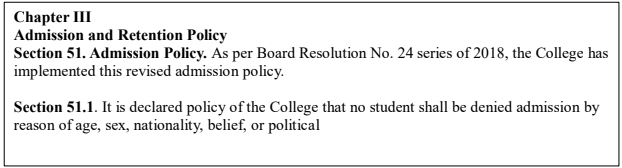
The official Student Manual is accessible here: https://asscat.edu.ph/student-manual/
These documents reflect that the university has formalized procedures, institutional frameworks, and monitoring systems that not only recognize gender equality participants but also for the persons with disabilities who actively support their academic and social success. The policy ensures that gender equity is embedded in both practice and oversight. Furthermore, the inclusion of monitoring mechanisms allows the university to assess and address potential barriers, promoting continuous improvement in men and women’s access, retention, and participation.
In summary, the university’s policy demonstrates a comprehensive, multi-layered approach to promoting non discriminatory. It provides clear procedures, support services, and monitoring mechanisms to ensure that all genders and PWD are fully supported from the point of application through their participation in the academic and co-curricular life of the institution. This approach aligns with best practices in higher education, ensuring equal opportunity, access, and participation are institutionalized, observed, and continuously improved.
Indicator 10.6.2 Track Underrepresented Groups in Applications
ASSCAT upholds the principle that equal opportunity is essential to fostering a competent, diverse, and inclusive learning environment. In alignment with this commitment, the institution maintains a publicly accessible policy that clearly articulates its support for underrepresented groups. This policy was reviewed and reaffirmed for the period 2021–2025, underscoring the university’s sustained dedication to expanding access to higher education for all learners.
The policy guarantees equitable opportunities for individuals of all gender identities—including persons with disabilities—and for students from all ethnic and cultural backgrounds to apply, enroll, and participate fully in both academic and co-curricular programs. Its implementation is guided by a set of structured mechanisms designed to promote inclusion, provide support, and ensure continuous monitoring of institutional practices.
The policy is supported by documented evidence, including:
Excerpt from the Minutes of the 122nd Board of Trustees Regular Meeting (4th Quarter of CY 2021), Resolution No. 21-133, Series of 2021: Approving the Proposed Revised Student Handbook, reaffirming the Learning Policy.
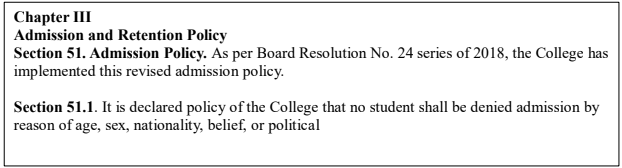
Figure II – Chapter II Registered Student Organizations
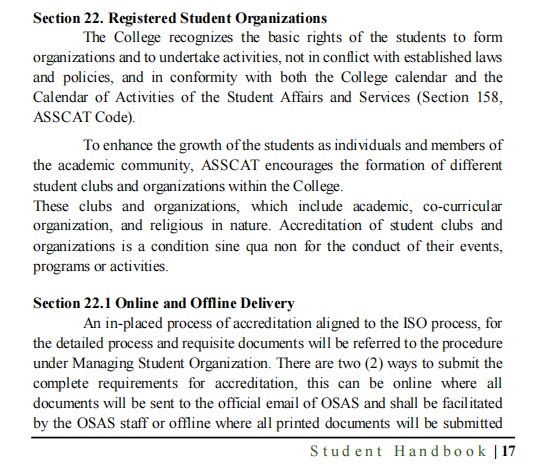
These documents demonstrate that the university has established formal procedures, institutional frameworks, and monitoring systems that support not only gender equality but also the needs of persons with disabilities and Indigenous Peoples (IP). These mechanisms collectively strengthen both academic and social success for underrepresented groups. The policy ensures that gender equity is embedded in institutional practice, decision-making, and oversight. In addition, the inclusion of monitoring and evaluation tools enables the university to identify and address potential barriers, thereby promoting continuous improvement in access, retention, and participation for all learners.
In summary, the university’s policy reflects a comprehensive and multi-layered approach to preventing discrimination and advancing inclusion. It outlines clear procedures, support services, and accountability measures designed to ensure that individuals of all genders, persons with disabilities, and students from diverse ethnic backgrounds receive equitable support—from application and admission through active engagement in academic and co-curricular activities. This approach aligns with recognized best practices in higher education, ensuring that equal opportunity, access, and participation are institutionalized, consistently implemented, and continually enhanced.
Indicator 10.6.3 Recruit Underrepresented Groups
The Agusan del Sur State College of Agriculture and Technology (ASSCAT) continues to uphold its commitment to equitable access to higher education through targeted initiatives designed to support the admission of underrepresented groups. Recognizing the diverse social, cultural, and economic backgrounds across Agusan del Sur and neighboring communities, the College implements inclusive recruitment strategies to ensure that students from marginalized, remote, and disadvantaged sectors are given meaningful opportunities to pursue quality tertiary education.
ASSCAT’s outreach efforts extend to Indigenous Peoples (IP) communities, low-income households, geographically isolated and disadvantaged areas, and learners from public schools with limited academic resources. Through coordinated visits, information drives, and partnerships with local government units, barangay leaders, and secondary schools, the College provides clear and accessible information about its academic programs, scholarship offerings, admission requirements, and support services.
To further strengthen participation among these groups, ASSCAT offers bridging programs, career orientation sessions, and free pre-admission assistance, helping prospective students navigate application procedures and prepare academic documents. The College also collaborates with DepEd schools and community organizations to identify potential scholars and ensure that deserving learners are aware of available financial aid programs, including TDP, CHED scholarships, TES, and institutional grants.
ASSCAT’s admission processes are intentionally designed to be inclusive, ensuring that no applicant is denied access due to financial limitations or geographic barriers. Special consideration is given to IP learners and students from rural and agricultural communities, aligning with the College’s mandate to uplift local sectors and strengthen regional development.
Evidence:
Indicator 10.6.4 Anti-Discrimination Policy
Does your university as a body have anti-discrimination policy?
Yes. The university, as an institution, clearly upholds and implements an anti-discrimination policy, as reflected in several provisions of the ASSCAT Administrative Manual and the mandates of its key offices.
First, the commitment to non-discrimination is firmly established through the Gender and Development (GAD) Office, whose vision describes the institution as “a gender-sensitive and gender-friendly learning institution.” This vision is supported by a mission that emphasizes promoting gender equality among all stakeholders and ensuring “an inclusive, equal and just society free from gender discrimination and marginalization.” The GAD goals and objectives further strengthen this stance by ensuring that gender and development principles are integrated in instruction, research, extension, and administration. These include the development of gender-responsive curricula, the promotion of partnerships that focus on ending violence and discrimination, and the assurance of gender-fair language in all official documents and communication.
Moreover, the GAD Office upholds the principle that all individuals—regardless of gender—are to be respected, protected, and recognized, affirming that gender biases and discriminatory practices must be removed from all regulations and systems of the College. This institutional principle serves as a foundation for ensuring that all programs, policies, and decisions adhere to the values of fairness, equality, and inclusivity.
Second, the university’s anti-discrimination policy is reinforced through its Human Resource Management and Development Office. The manual explicitly states that there shall be no discrimination in the selection and recruitment of employees “on account of gender, civil status, disability, religion, ethnicity, or political affiliation.” This guideline ensures that all hiring processes strictly follow merit and fitness based on qualifications, experience, and competencies, rather than personal background or identity. The publication of vacancies and equal access to job opportunities further demonstrate the university’s commitment to openness, fairness, and non-discriminatory employment practices.
These combined efforts—through both gender advocacy and equitable human resource policies—show that the university does not only promote anti-discrimination principles in theory, but institutionalizes them through concrete policies, guidelines, and administrative practices. The presence of GAD programs, anti-bias training, gender equality campaigns, and strict merit-based recruitment all highlight the institution’s dedication to creating a safe, respectful, and equitable environment for students, employees, and stakeholders.
Therefore, based on the provisions of the ASSCAT Administrative Manual, it is clear that the university, as a body, has a comprehensive and structured anti-discrimination policy embedded in its institutional mandate and daily operations.
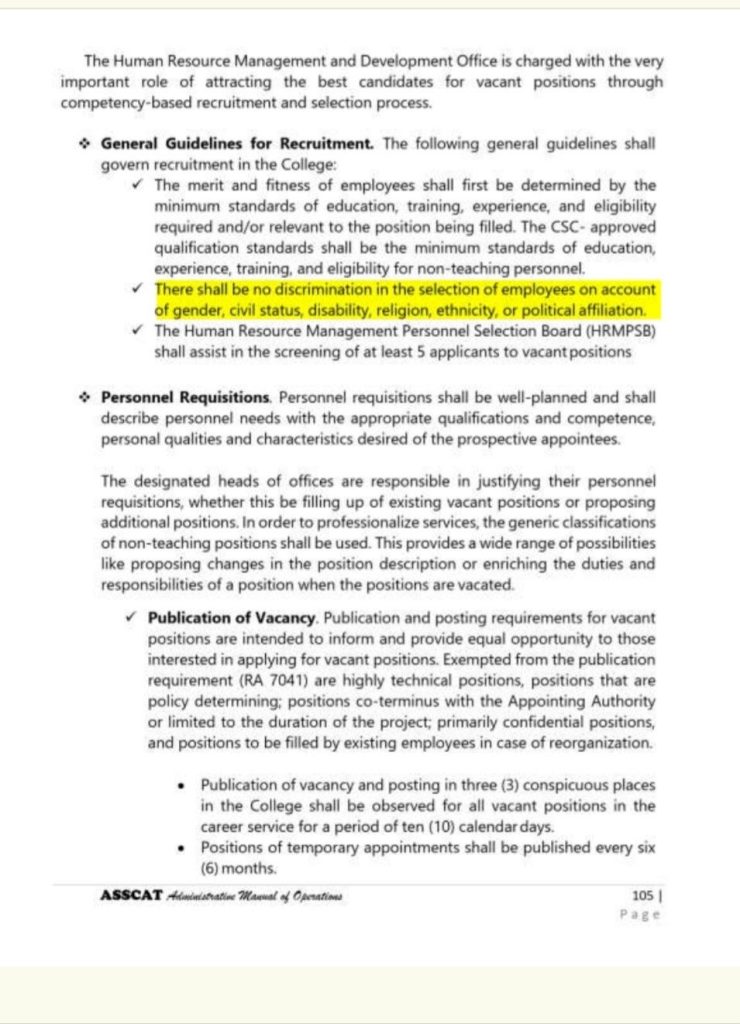
Official Document:🔗 https://asscat.edu.ph/wp-content/uploads/2025/07/AdministrativeManual.pdf
Indicator 10.6.5 Diversity Officer/Committee
Narrative on the Constitution of the Learning and Development (L&D) Committee
On January 14, 2025, the Agusan del Sur State College of Agriculture and Technology (ASSCAT), through the authority of the College President, issued Special Order No. 2025-005 formally constituting the Learning and Development (L&D) Committee. This action was taken in the exigency of service to strengthen the institution’s capacity to plan, implement, and sustain an effective Learning and Development system aligned with the agency’s vision and strategic direction.
The committee is chaired by Dr. Carmelo S. Llanto, Vice President for Academic Affairs and Quality Assurance, with Ms. Janice S. Dini-ay, Vice President for Administration, Finance and Planning, serving as Co-Chairperson. The membership is composed of college deans, campus administrators, and heads of key support units, including representatives from Human Resource Management, Budget, and Accounting. The HRMO Staff shall serve as the Secretariat.
In accordance with the order, the L&D Committee is tasked to establish the overall framework, structure, and processes that will anchor ASSCAT’s Learning and Development programs. These responsibilities include policy-setting, defining roles and responsibility centers, identifying support mechanisms, and ensuring the alignment of L&D initiatives with institutional goals. The committee is also mandated to develop systems for planning, monitoring, evaluation, and continuous improvement of L&D interventions—starting from learning needs analysis up to delivery and assessment of outcomes.
The Special Order cites several CSC rules and administrative issuances as legal bases, ensuring that the formulation of policies and systems adheres to national standards on personnel development and capacity-building and implement diversity and equal opportunity for employees to attend personnel development.
Furthermore, the committee is expected to craft comprehensive systems covering key areas such as Learning and Development structure, budget support, information and communication strategies, monitoring and evaluation frameworks, L&D planning, development of interventions, materials development, learning management, and results utilization.
The designation of the committee took effect immediately upon issuance, signaling the College’s commitment to enhancing organizational capability and fostering a culture of continuous learning and professional development among its personnel.
Evidence:
https://drive.google.com/file/d/1vZKixUpPn0IAjHnqkDOcj2Nb8M4tW8EN/view?usp=drive_link
https://drive.google.com/file/d/152NqFreTdrVeyrSLJ3A41vGcLZFMryH6/view?usp=drive_link
Indicator 10.6.6 Support Underrepresented Groups
The Agusan del Sur State College of Agriculture and Technology (ASSCAT) continues to strengthen its commitment to providing a safe, nurturing, and development-focused learning environment through a wide range of student support programs. These initiatives showcase the institution’s holistic approach to student welfare—prioritizing protection from harm, mental and emotional well-being, and the development of essential life and career skills.
One of the pillars of ASSCAT’s student protection framework is its consistent implementation of the Anti-Bullying Act through annual orientations that educate students on their rights, responsibilities, and the mechanisms available for reporting and addressing bullying. During these sessions, students are reminded that the Office of Student Affairs and Services (OSAS) plays a central role in ensuring compliance with policies related to anti-bullying, anti-illegal drugs initiatives, and mental health programs. The institution emphasizes a comprehensive approach when dealing with concerns such as substance use, highlighting prevention, treatment, and rehabilitation rather than solely punitive measures. This reflects ASSCAT’s commitment to fostering a safe, compassionate, and accountable campus culture.
Beyond welfare and safety, ASSCAT ensures that students are equipped with the skills necessary for professional success through its Skills Development Program. For the current academic year, the program includes activities such as resume writing, job interview coaching, work ethics orientation, and maintaining mental wellness while job searching. These activities help students build confidence, strengthen their communication skills, and develop a deeper understanding of workplace expectations. The program’s previous offerings, including various career development workshops, demonstrate a sustained commitment to preparing students for the demands of the workforce.
Collectively, these initiatives reflect ASSCAT’s broader mission to provide a holistic educational experience—one that safeguards students’ well-being, strengthens their personal and professional capacities, and supports their growth as responsible, competent, and empowered individuals. Through its continued dedication to protection, care, and development, ASSCAT ensures that its learners are fully prepared to thrive both within the academic environment and beyond.
Evidence:
| Title of the Event: Orientation on RA 10627 Anti-Bullying ActNarrative Report link: RA 10627.pdf | Title of the Event: Career Planning Seminar Narrative Report link: Documentation – Career Planning Seminar.pdf |
Indicator 10.6.7 Disability Support Services
Does your university as a body provide support services for people with disabilities? (e.g. personal assistants, interpreters)
Yes, Agusan del Sur State College of Agriculture and Technology (ASSCAT) strengthened its commitment to creating an inclusive, accessible, and equitable campus environment by ensuring that persons with disabilities (PWD) receive appropriate support and accommodation. As part of its institutional goals to promote diversity, ensure equal opportunities, and uphold the dignity of all community members, ASSCAT continued to enhance its facilities to meet the diverse needs of students, employees, and visitors with disabilities.
ASSCAT’s support for PWDs is demonstrated through the intentional integration of accessibility features within its physical infrastructure. The institution recognizes that meaningful participation in academic and social life begins with safe and unimpeded mobility. Thus, buildings across the campus are equipped with ramps specifically designed for PWD use, enabling individuals with mobility challenges to navigate classrooms, offices, and service areas with ease. These ramps serve as a vital support mechanism that eliminates physical barriers and promotes independent movement within the university.
Additionally, ASSCAT has enhanced safety and comfort in critical building areas by installing railings along stairs and inside comfort rooms. These railings serve as essential aids for individuals with limited mobility, providing stability, ease of access, and a greater sense of safety. These improvements reflect the university’s recognition that accessibility goes beyond compliance—it is a foundational element of a compassionate and inclusive learning environment.
Beyond its infrastructure, ASSCAT’s commitment to PWD support aligns with broader principles of sustainable and equitable development. The university views accessibility as a continuous responsibility that contributes to student success, employee well-being, and community inclusiveness. By integrating PWD-friendly facilities into campus planning and development, ASSCAT ensures that all individuals—regardless of physical ability—can participate fully in academic life and experience a sense of belonging.
In these ways, ASSCAT demonstrates that accessibility is not merely an accommodation, but a core institutional value. Through consistent upgrades, intentional design, and inclusive practices, the university affirms its dedication to building a campus that is welcoming, empowering, and supportive of every member of its community.
Evidence:
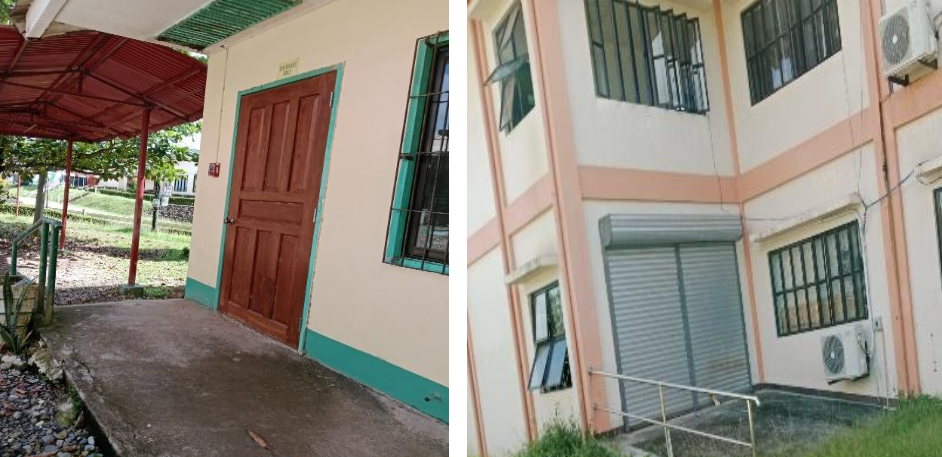
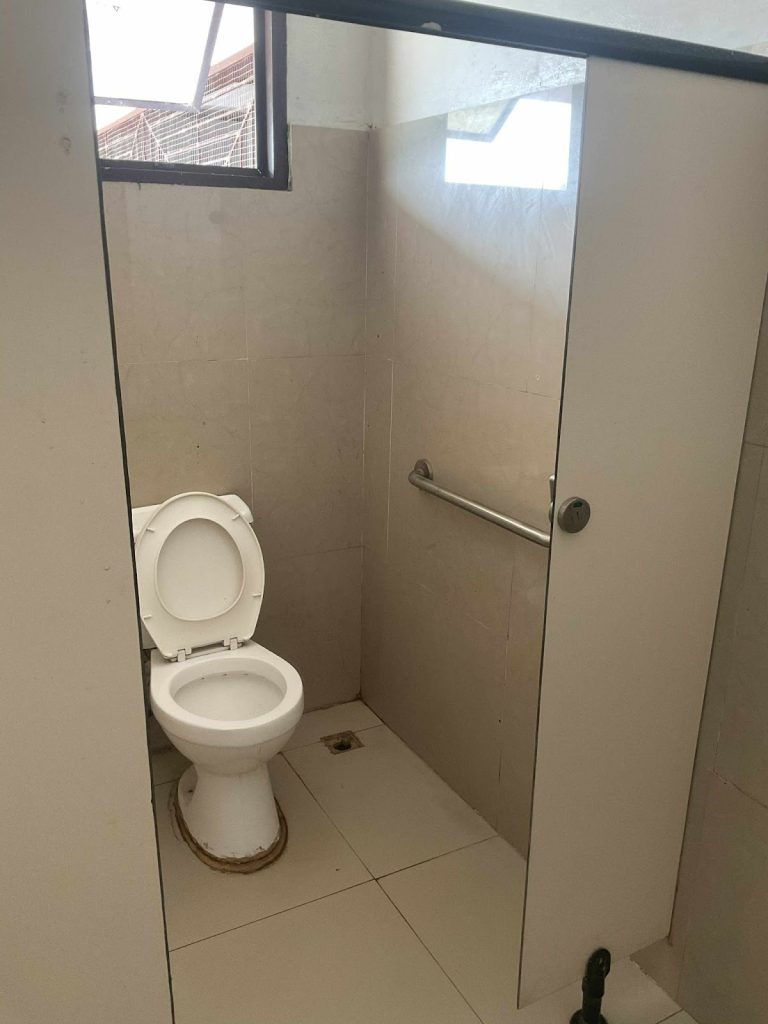
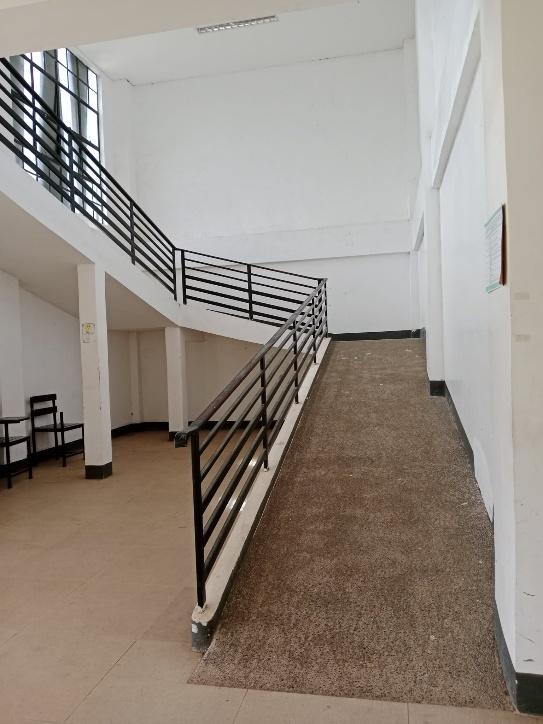
Figure 1. Accessible Campus Facilities for Persons with Disabilities: Ramps Installed for Easy Building Access and Railings Provided in Stairs and Comfort Rooms to Support Safe and Inclusive Mobility
Indicator 10.6.8 Disability Support Services
Does your university as a body provide support services for people with disabilities? (e.g. personal assistants, interpreters)
Yes. The Agusan del Sur State College of Agriculture and Technology (ASSCAT) provides concrete support services for students with disabilities (PWDs), reflecting the institution’s commitment to fostering an inclusive, accessible, and supportive learning environment. Recognizing that PWD students may face unique challenges in participating fully in academic and campus life, ASSCAT has implemented a combination of assistive services, accommodations, and specialized provisions to ensure that their educational experience is equitable and empowering.
One example of these support services is the provision of interpreters for students with hearing impairments. At the College of Teacher Education (CTE), ASSCAT has institutionalized the practice of having a sign language interpreter during flag ceremonies, particularly when the national anthem is sung. This ensures that deaf or hard-of-hearing students can participate meaningfully in this essential ritual, promoting inclusion and reinforcing the principles of equal access and campus engagement. The use of interpreters not only allows PWD students to fully engage in ceremonial activities but also communicates the institution’s respect for diversity and commitment to accommodating differing abilities in everyday campus practices.
Beyond ceremonial support, ASSCAT provides administrative accommodations and priority lanes for PWDs in essential processes such as enrollment, release of stipends, and submission of official documents. These measures reduce barriers that students with disabilities might otherwise face when navigating bureaucratic or time-sensitive administrative procedures. By creating dedicated lanes and providing personalized assistance during critical administrative transactions, the college ensures that PWD students can access services efficiently and with dignity.
Additionally, ASSCAT’s support extends to the broader educational and campus experience. While specific programs may vary, the institution has consistently prioritized accessible communication, personalized guidance, and targeted support, reflecting a holistic approach to inclusivity. These efforts align with national mandates on disability inclusion, as well as the principles of equal opportunity and non-discrimination embedded in the ASSCAT Student Manual and institutional policies.
In summary, ASSCAT demonstrates a tangible commitment to the needs of PWD students through the provision of interpreter services, priority access in administrative processes, and personalized assistance, thereby ensuring that all members of the academic community can participate fully and equitably in the life of the college.

Figure 1. A sign language interpreter assisting a deaf student during the singing of the national anthem at the ASSCAT College of Teacher Education (CTE) flag ceremony, illustrating the institution’s commitment to inclusive participation for persons with disabilities.
Indicator 10.6.9 Access schemes for people with disabilities
Does your university as a body provide access schemes for people with disabilities?
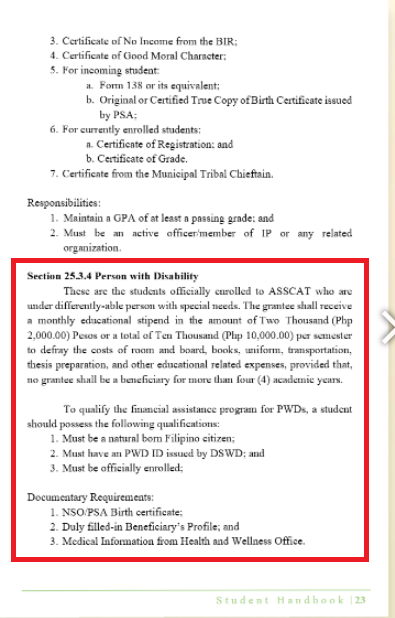
Yes. The Agusan del Sur State College of Agriculture and Technology (ASSCAT) has established a clear, institutionalized access scheme dedicated to supporting persons with disabilities (PWDs), as explicitly outlined in the ASSCAT Student Manual, Section 25.3.4. This provision demonstrates the institution’s commitment to promoting inclusive education and ensuring that differently-abled learners are provided with equitable opportunities to succeed academically.
ASSCAT recognizes that students with disabilities may encounter additional financial, social, and logistical challenges that can hinder their full participation in higher education. In response, the college created a structured Financial Assistance Program for Persons with Disability, which functions not merely as a scholarship but as a holistic support mechanism designed to alleviate the burden of educational expenses. Through this program, eligible PWD students receive a monthly stipend of Two Thousand Pesos (Php 2,000.00), amounting to Ten Thousand Pesos (Php 10,000.00) per semester. This financial support assists with essential academic needs, including room and board, learning materials, uniforms, transportation allowances, thesis-related expenses, and other education-related costs. To ensure fairness and sustained support, the grant may be availed for a maximum duration of four (4) academic years, aligning with the standard completion period for most undergraduate programs.
The program’s eligibility criteria also reinforce accountability and ensure that assistance reaches its intended beneficiaries. To qualify, applicants must be natural-born Filipino citizens, hold a valid PWD ID issued by the Department of Social Welfare and Development (DSWD), and be officially enrolled at ASSCAT. These requirements guarantee that the assistance is provided to legitimate PWD students who are actively pursuing their studies.
Additionally, the documentary requirements emphasize transparency and proper documentation. Applicants must submit a PSA-issued birth certificate, an accomplished Beneficiary’s Profile, and updated medical information from the Health and Wellness Office. These documents help verify disability status, assess the student’s needs, and maintain accurate institutional records.
Overall, ASSCAT’s PWD access scheme is a concrete demonstration of its commitment to inclusive, learner-centered education. By reducing financial barriers and providing targeted assistance, the institution promotes a learning environment where students with disabilities can thrive academically, participate fully in college life, and achieve their educational aspirations without undue hardship. This initiative reflects the college’s alignment with global inclusive education principles and the Sustainable Development Goals, particularly SDG 4 on Quality Education.
Evidence: Excerpt from the ASSCAT Student Manual – Section 25.3.4: Person with Disability.
The official Student Manual is accessible here: https://asscat.edu.ph/student-manual/
Indicator 10.6.10 Non-Discrimination in Recruitment
Does your university as a body have reasonable accommodation policy/strategy implemented, including adequately funded mechanism for persons with disability?
Yes. The Agusan del Sur State College of Agriculture and Technology (ASSCAT) upholds and implements a reasonable accommodation policy/strategy as part of its institutional commitment to ensuring equal opportunity, non-discrimination, and inclusivity within its workforce—explicitly including persons with disabilities (PWDs).
ASSCAT’s Administrative Manual of Operations establishes a publicly accessible and formal policy framework that guarantees non-discriminatory recruitment, selection, and employment practices. This framework is implemented by the Human Resource Management and Development Office (HRMDO), which operates on the principles of merit and fitness and ensures that all applicants—including PWDs—receive fair, equitable, and appropriate accommodation during all stages of employment.
Key provisions that demonstrate the presence of a reasonable accommodation policy include:
1. Explicit Non-Discrimination Clause Covering Disability
The Administrative Manual clearly states that:
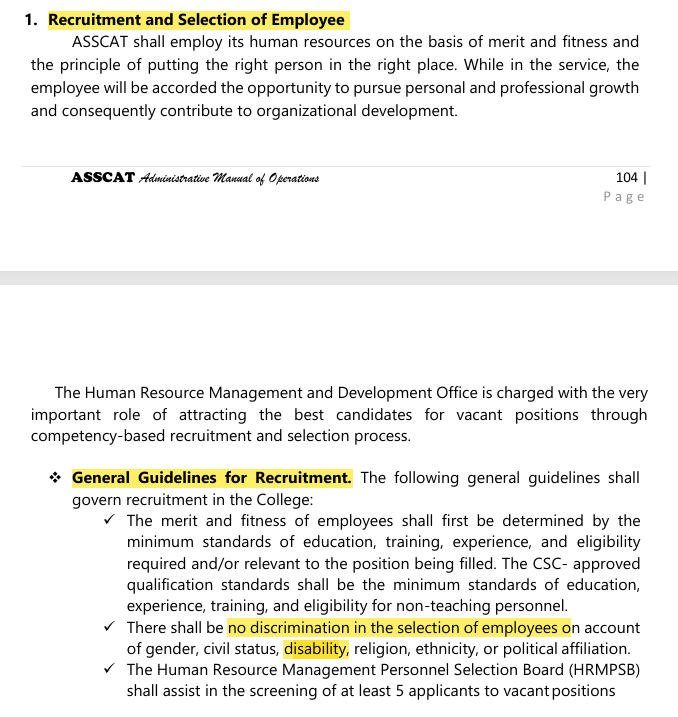
- “There shall be no discrimination in the selection of employees on account of gender, civil status, disability, religion, ethnicity, or political affiliation.”
This formal declaration ensures that applicants and employees with disabilities are protected from discriminatory practices and are guaranteed equal access to employment opportunities.
2. Inclusion of Disability in Recruitment and Selection Standards
ASSCAT ensures that PWD applicants can participate in the recruitment process through:
- Competency-based screening tailored to job requirements
- Equal access to assessment and evaluation procedures
- Support from the Human Resource Management Personnel Selection Board (HRMPSB) in screening applicants, including those requiring accommodation
- Assurance of merit-based hiring, which prevents biased exclusion of PWDs
These mechanisms constitute operational strategies that function as reasonable accommodations.
3. Opportunity for Professional Development
The manual affirms that all employees—including PWD staff—are provided:
- “the opportunity to pursue personal and professional growth”
This forms part of ASSCAT’s broader reasonable accommodation strategy, ensuring that employees with disabilities have equitable access to training, career progression, and workplace development opportunities.
4. Institutional Support Structure (Funded and Functional)
Although the manual does not explicitly enumerate a dedicated “fund,” the existence and operation of:
- the HRMDO,
- the HRMPSB, and
- the college-wide merit-based recruitment system
demonstrate that ASSCAT allocates resources, staffing, and institutional capacity to uphold accommodation, accessibility, and support for PWDs in employment processes.
These structures ensure that reasonable accommodation measures are implemented, resourced, and sustained as part of ASSCAT’s governance and operational systems.
Evidence: Excerpt from the ASSCAT Administrative Manual of Operations. Non-discrimination and merit-based recruitment provisions ensure equal opportunity and reasonable accommodation for applicants, including persons with disabilities (PWDs).
Official Document:
🔗 https://asscat.edu.ph/wp-content/uploads/2025/07/AdministrativeManual.pdf
Indicator 10.6.11 Anti-Harassment Policy
Does your university as a body have anti-harassment policy?
Yes. The Agusan del Sur State College of Agriculture and Technology (ASSCAT) maintains a comprehensive Anti-Harassment Policy, firmly grounded in national law and institutional regulations. This policy is clearly articulated in both the Student Manual and Faculty Manual, as well as reaffirmed through official Board action.
The Student Manual outlines the policy under Section 128.4 Sexual Harassment, adopting the Anti-Sexual Harassment Act of 1995 (R.A. 7877) and CMO No. 1 s. 2015. It defines sexual harassment as verbal, visual, or physical misconduct, particularly when committed by an individual exercising authority over a student. The manual enumerates forms of harassment, including unwelcome sexual advances, persistent attempts to shift professional relationships into personal ones, sexually oriented jokes or teasing, verbal abuse of a sexual nature, and graphic commentary about an individual’s body or sexuality. It also emphasizes that harassment includes demanding sexual favors in exchange for academic benefits or when such actions create an intimidating or hostile educational environment.
The Faculty Manual reinforces the same legal foundation, affirming ASSCAT’s adoption of R.A. 7877 and prohibiting any unwelcome sexual advances or sexually charged behavior by faculty towards any member of the academic community, including students.
To further strengthen its institutional commitment, ASSCAT’s Anti-Harassment Policy was formally endorsed by its governing body. As stated in the Excerpt from the Minutes of the 122nd Board of Trustees Regular Meeting (4th Quarter of CY 2021), Resolution No. 21-133, Series of 2021, the Board approved the Proposed Revised Student Handbook, thereby reaffirming and institutionalizing ASSCAT’s Anti-Harassment Policy. This Board approval serves as an authoritative institutional affirmation of the college’s commitment to safety, protection, and gender-responsive governance.
ASSCAT’s Anti-Harassment Policy aligns with R.A. 11313 (Safe Spaces Act) and relevant Civil Service Commission regulations. Implementation is reinforced through:
- Regular student and staff orientations
- Gender Sensitivity Trainings (GST)
- Campus-wide advocacy and awareness initiatives
- Clear reporting and grievance mechanism
- Oversight by the GAD Office, CODI, and HRMO, which ensure confidential, impartial, and prompt handling of complaints
During the review period, no harassment cases were recorded, reflecting the effectiveness of preventive efforts, continuous awareness-building, and the institution’s culture of professionalism and mutual respect.
In summary, ASSCAT not only has an established and Board-approved anti-harassment policy but also actively implements and strengthens it through institutional systems, training programs, and accessible reporting mechanisms—ensuring a safe, respectful, and protective learning environment for all.
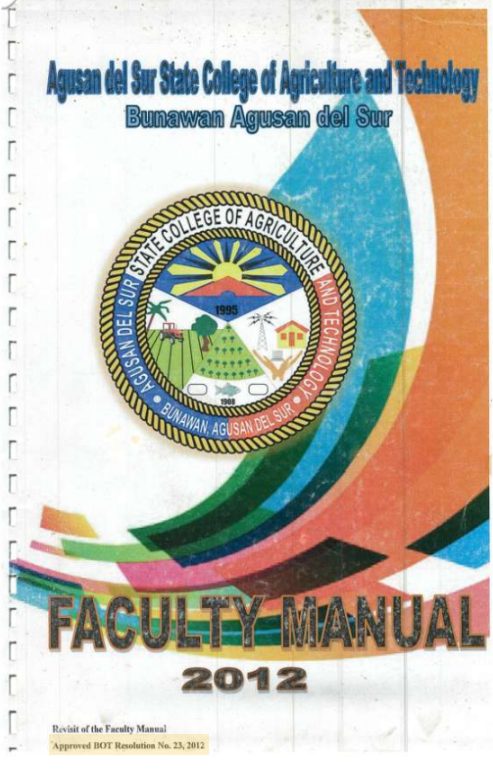
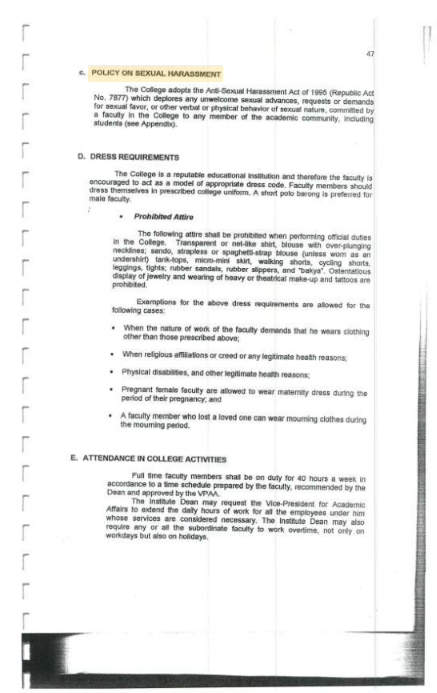
Figure 1: Faculty Manual highlighting Anti-Harassment Policy provisions and reporting procedures.
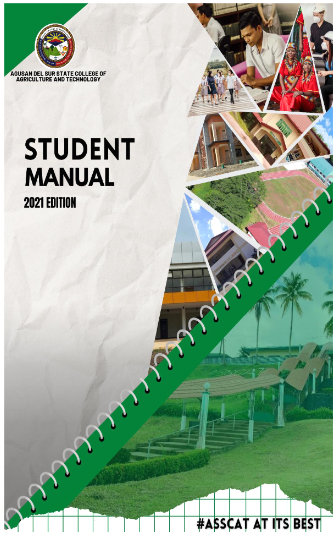
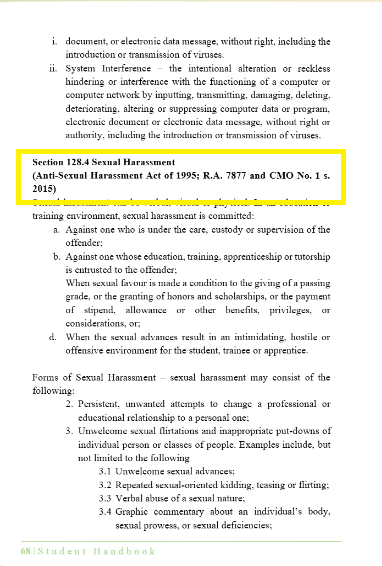
Figure 2: Student Manual detailing behavioral standards, preventive measures, and mechanisms for reporting harassment. The official Student Manual is accessible here: https://asscat.edu.ph/student-manual/