
SDG 5 Gender Equality
ASSCAT is committed to fostering an inclusive environment where all individuals, regardless of gender, have equal opportunities to learn, work, and lead. Through policies, programs, and initiatives that empower women and promote gender equality, the university strives to eliminate discrimination, support diversity, and ensure that everyone can thrive in a safe and equitable community.





- Overview
- Indicators and Progress
ASSCAT monitors its efforts toward gender equality through key indicators such as representation of women in leadership positions, equitable access to educational programs, participation in professional development, and implementation of policies against gender-based discrimination. Continuous initiatives and regular assessments ensure steady progress in fostering an inclusive and empowering environment for all.
Indicator 5.1.1 — Proportion of Female Authors
| Sex | Number of Authors | Percentage |
|---|---|---|
| Male | 35 | 71% |
| Female | 14 | 29% |
| Total | 49 | 100% |
The proportion of female authors in ASSCAT’s indexed publications provides a meaningful insight into the institution’s progress toward Sustainable Development Goal (SDG) 5: Gender Equality. Based on the data, women account for 29% of the total identified authors.
While this figure indicates that women remain underrepresented in research, it also reflects a steadily growing presence and influence of female scholars in the academic community. Their increasing participation aligns with SDG 5’s call to ensure women’s full and effective involvement in leadership, decision-making, and knowledge production.
Women’s Contributions in Research
Female authors from ASSCAT actively contribute across diverse disciplines, including:
- Education
- Social sciences
- Agriculture
- Environmental science
- Emerging areas of science and technology
Their work has significant impact in areas such as:
- Understanding human behavior
- Improving learning processes
- Strengthening community well-being
- Addressing social challenges
This demonstrates that women researchers play a critical role in advancing inclusive and socially responsive scholarship, an essential aspect of gender equality in academia.
Collaboration and Leadership
Women at ASSCAT also serve as co-authors and collaborators in interdisciplinary research, bringing perspectives that promote:
- Empathy
- Inclusivity
- Balanced representation
Their insights enrich research quality and support the broader goal of empowering women to be active participants in knowledge creation. This aligns with SDG 5’s emphasis on eliminating barriers to education, professional development, and leadership roles for women.
Several female authors have successfully published in Scopus-indexed journals, including Q1 to Q3 publications, demonstrating their ability to meet global research standards. These achievements highlight growing leadership among women in research and affirm ASSCAT’s commitment to supporting women academics in achieving excellence.
Outlook and Institutional Support
The 29% female authorship rate represents a solid foundation for future progress. As ASSCAT continues to expand opportunities for:
- Mentorship
- Training
- Funding
- Institutional support
female researchers are well positioned to increase their visibility and leadership in scholarly work. Their participation strengthens the research culture and inspires the next generation of women scholars to pursue academic and scientific careers.
The contributions of ASSCAT’s women researchers reinforce the core aspiration of SDG 5: achieving gender equality and empowering all women and girls. Their presence in academic authorship reflects progress, promotes diversity, and strengthens the institution’s role in building a more inclusive and equitable research environment.
Indicator 5.1.2 — CiteScore
In 2025, the Agusan del Sur State College of Agriculture and Technology (ASSCAT) continued to contribute meaningfully toward gender equality, while steadily building its portfolio of formally published gender-focused research.
Although there are currently no CiteScore-indexed publications directly addressing gender, faculty members conducted valuable studies that shed light on gender dynamics, communication, and social behavior, reflecting a commitment to understanding and promoting equality within education, communities, and workplaces.
Indirect Contributions to Inclusive Environments
Several high-impact research outputs, while not explicitly gender-focused, support inclusive and equitable learning environments:
- “Predictive Model for Assessing Student Mental Health Risk Based on Academic Data Using Machine Learning Algorithm” (IEEE, Q1, SJR 2.502, H-Index 346)
- Environment and Social Psychology studies on teacher motivation and STEM field immersion
These works contribute to gender equality indirectly by:
- Promoting student well-being
- Ensuring equal engagement in STEM fields
- Creating fair and supportive learning opportunities for learners of all genders
Direct Gender-Focused Research
Faculty-led studies more explicitly explore gender in social and educational contexts, including:
- Evangeline H. Alvarez
- “Dichotomies of Male and Female Conversation: A Genderlect Analysis”
- “Linguistic Features on Male and Female Conversation”
- Studies on gender roles and institutional programs:
- “Managing Communication Conflict in Intercultural Couples for Marital Satisfaction”
- “Extent of Implementation and Level of Commitment on Selected Gender and Development Programs of State Universities and Colleges in Caraga”
- “Gender dynamics on ecological solid waste management at Bunawan, Agusan del Sur”
- Quim B. Miolata: Exploration of gender differences in pronunciation and communication learning
While these studies are not yet indexed internationally, they provide a strong foundation for gender research at ASSCAT. They reflect the institution’s commitment to:
- Understanding gender issues in education, community, and workplace settings
- Building capacity for future publications that meet global citation standards
Institutional Impact
ASSCAT’s 2025 research outputs demonstrate a dual approach:
- Advancing gender-sensitive research in local and community contexts
- Producing high-impact studies that foster inclusive opportunities in education and well-being
These efforts collectively support SDG 5, promoting equality, inclusivity, and empowerment across educational, social, and community contexts.
By continuing to support gender-focused research toward formal publication in high-impact journals, ASSCAT can enhance its global contribution to gender equality while maintaining strong local relevance.
Indicator 5.1.3 — Gender Equality Publication
Summary Table
| Gender | Number of Researchers | Percentage |
|---|---|---|
| Male | 35 | 71% |
| Female | 14 | 29% |
| Total | 49 | 100% |
Gender Equality Publication measures the gender distribution within ASSCAT’s research workforce, reflecting the institution’s commitment to Sustainable Development Goal (SDG) 5: Achieve Gender Equality and Empower All Women and Girls. This indicator provides insight into the active participation of men and women in research activities, highlighting progress toward inclusive and equitable representation in academic and scientific work.
For the reporting year, ASSCAT recorded 49 researchers, comprising:
- 35 male researchers (71%)
- 14 female researchers (29%)
While male researchers form the majority, the presence of female researchers signifies meaningful progress in achieving balanced representation in research roles. Women actively contribute to the university’s research agenda, strengthening diversity in perspectives, methodologies, and scholarly insights, which enriches overall knowledge production.
Analysis and Implications
- The current gender composition demonstrates active engagement from both male and female researchers, with women making up nearly one-third of the team.
- This participation reflects the university’s ongoing commitment to inclusive research environments, aligning with SDG 5’s emphasis on equal opportunities and enhanced women’s involvement in academia.
- Despite progress, the distribution indicates potential for further improvement in achieving gender balance, particularly in leadership and high-impact research roles.
Recommendations for Future Improvement
To enhance female participation and strengthen gender equality in research, ASSCAT may consider:
- Expanding mentorship programs for women researchers.
- Supporting leadership development and research career advancement for female faculty.
- Promoting inclusive recruitment and retention practices.
- Fostering collaborative research environments that value gender diversity.
- Increasing visibility of women’s research achievements, including opportunities for publication, funding, and conference participation.
ASSCAT’s current gender distribution in research reflects positive engagement of both male and female researchers, laying the groundwork for continued progress toward SDG 5: Gender Equality. Through sustained institutional commitment, strategic initiatives, and strengthened support systems, the university can further advance gender-inclusive research participation, building a more equitable and diverse academic community.
Indicator 5.2.1 — Proportion of First-Generation Students
Table 1. Proportion of First-Generation Students (Academic Year 2023–2024)
| Academic Year | Total Students | Women Starting a Degree | First-Generation Students | First-Generation Women | Proportion of First-Generation Women (%) |
|---|---|---|---|---|---|
| 2023–2024 | 6,732 | 1,079 | 131 | 86 | 65.6% |
Grounded in its vision of becoming a “Globally Engaged Institution for Sustainable Agriculture and Innovation,” ASSCAT continues to advance inclusive education and gender equality in line with Sustainable Development Goal 5 (SDG 5): Achieve Gender Equality and Empower All Women and Girls. The institution recognizes that true progress extends beyond enrollment numbers, encompassing equitable opportunities, systemic barrier reduction, and the empowerment of women as active agents of community development.
In the 2023–2024 academic year, ASSCAT served 6,732 students, including 1,079 women beginning their degree programs, reflecting the College’s sustained efforts to expand access for women in higher education. Among these, 131 were first-generation students, with 86 women representing 65.6% of all first-generation enrollees. This high proportion underscores the determination of women—particularly those from marginalized and underrepresented backgrounds—to pursue tertiary education despite socioeconomic and cultural challenges.
Institutional Initiatives and Support
ASSCAT’s gender-responsive strategies directly contributed to these outcomes, including:
- Scholarship programs targeting first-generation students.
- Community outreach initiatives encouraging young women to pursue higher education.
- Mentorship and psychosocial support through the Office of Student Affairs and Services (OSAS) and the Gender and Development (GAD) Office.
- Inclusive pedagogy and leadership development programs to foster empowerment and resilience.
These initiatives not only increase access to education but also cultivate confidence, self-reliance, and leadership skills among first-generation women students, enabling them to succeed academically and contribute meaningfully to their communities.
Impact and Alignment with SDG 5
The significant representation of first-generation women in 2023–2024 demonstrates the effectiveness of ASSCAT’s gender mainstreaming and empowerment efforts. By prioritizing equitable opportunities and targeted support, the institution ensures that women, particularly those breaking educational barriers in their families, can thrive in higher education. This approach reflects a holistic understanding of development: educating and empowering women strengthens families, uplifts communities, and advances sustainable progress.
As ASSCAT moves forward, it remains committed to:
- Expanding gender-responsive initiatives for first-generation students.
- Supporting women in non-traditional fields of study.
- Promoting leadership and research opportunities for female students and faculty.
Through these continued efforts, ASSCAT advances the mission of SDG 5, fostering inclusive education, gender parity, and the empowerment of women and girls.
Indicator 5.3.1 — Tracking Access Measures for Women
The Agusan del Sur State College of Agriculture and Technology (ASSCAT) systematically tracks gender-disaggregated data to ensure equitable access for women in higher education. This monitoring process demonstrates the institution’s commitment to advancing Sustainable Development Goal 5 (SDG 5): Achieve Gender Equality and Empower All Women and Girls by identifying participation trends and addressing potential gaps that may affect women’s educational attainment.
Access Trends for AY 2023–2024
For Academic Year 2023–2024, institutional records reflect strong participation of women at both the admission and enrollment stages.
1. Admission Stage
Out of 4,462 admitted students:
- 2,766 were women (62%)
- 1,696 were men (38%)
This dominant proportion of women applicants signifies:
- Increased awareness and motivation among women to pursue tertiary education.
- Reduced cultural and socio-economic barriers within ASSCAT’s service communities.
- Successful outcomes of the institution’s gender-responsive outreach and information campaigns.
2. Enrollment Stage
Of the 1,917 students who successfully enrolled:
- 1,079 were women (56%)
- 838 were men (44%)
Although women remain the majority, the decrease from 62% at admission to 56% at enrollment indicates that some female applicants may still face obstacles that prevent them from completing the enrollment process. These challenges may include:
- Financial or economic constraints
- Caregiving or family responsibilities
- Mobility or transportation limitations
- Social expectations affecting young women’s schooling decisions
Interpretation and Implications
Despite the slight decline during the transition to enrollment, the consistently higher female representation reflects meaningful progress in gender-inclusive access to higher education at ASSCAT. The data demonstrates that:
- More women are pursuing degree programs than men.
- Institutional pathways remain accessible and welcoming to female learners.
- ASSCAT’s existing gender empowerment initiatives continue to yield positive outcomes.
However, the admission-to-enrollment drop indicates the need for enhanced support mechanisms to ensure that women—particularly those from vulnerable and first-generation backgrounds—are empowered to sustain their academic journey.
Strengthening Support for Women
To further improve women’s access and retention, ASSCAT recognizes the importance of expanding targeted interventions such as:
- Financial assistance and scholarships tailored for women facing economic hardships.
- Flexible enrollment procedures for students with caregiving responsibilities.
- Guidance and mentoring programs through OSAS and the GAD Office.
- Safe, gender-responsive, and inclusive learning spaces across the campus.
These proactive measures ensure not only equitable access but also successful participation, progression, and completion among women students.
Through consistent monitoring of gender-disaggregated data and the implementation of gender-responsive programs, ASSCAT reaffirms its commitment to SDG 5. The institution remains steadfast in creating an academic environment where all women have equitable opportunities to enter, excel, and graduate, contributing to wider social transformation and community development.
Table 5.3.1. Admission and Enrollment Data (AY 2023–2024)
| Academic Year | Admission Total | Female | Male | Enrollment Total | Female | Male |
|---|---|---|---|---|---|---|
| 2023–2024 | 4,462 | 2,766 | 1,696 | 1,917 | 1,079 | 838 |
SUMMARY OF ENROLLMENT AY 2023–2024.pdf
Indicator 5.3.2 — Policy for Women’s Application and Entry
The Agusan del Sur State College of Agriculture and Technology (ASSCAT) maintains a formal, institution-wide policy addressing women’s access, entry, and participation, embedded within its Student Handbook and Learning Policy. These policies—reviewed, approved, and reaffirmed for implementation from 2021–2025—ensure that female students receive equitable opportunities to apply, enroll, and fully participate in academic and co-curricular activities. By 2024, these provisions were fully operational, demonstrating the university’s alignment with Sustainable Development Goal 5 (SDG 5): Achieve Gender Equality and Empower All Women and Girls.
The policy ensures gender-responsive access and support through structured services, clear procedures, and continuous monitoring mechanisms designed to promote inclusion at all stages of student engagement.
1. Counseling Services (Student Handbook Section 16.1)
ASSCAT provides inclusive counseling services for all students regardless of gender, ensuring that women have full access to psychosocial, academic, and personal support. Each college is assigned Guidance Facilitators under the supervision of the College Guidance Counselor to provide consistent, gender-sensitive guidance.
The counseling program includes:
- Walk-In Counseling – Immediate support for students voluntarily seeking help.
- Referral Counseling – Guidance provided based on referrals from faculty, peers, program chairs, or school officials.
- Call-In Counseling – Counselors may invite students for sessions in cases of attendance concerns, behavioral observations, or other identified needs.
These structured services give women equal access to professional support, contributing to their successful integration, retention, and well-being.
2. Testing and Assessment Services (Student Handbook Section 16.2)
Admission tests, psychological assessments, and non-psychometric evaluations are administered equitably to all incoming students. These assessments ensure that female applicants receive fair and unbiased evaluation, identifying their learning needs and providing appropriate academic placement or interventions.
By explicitly including women in testing and assessment policies, the university removes gender-related barriers that could otherwise influence entry and participation.
3. Orientation and Information Services (Student Handbook Section 15.2)
ASSCAT ensures that all students—especially women who may face socio-economic or technological limitations—have equitable access to vital academic information and orientation materials. The institution disseminates information through multiple platforms, including:
- Printed materials and brochures
- Digital presentations and online dissemination
- The Hatid Aral Program (HAP) for students with limited internet access
- Campus bulletin boards and announcements in local government units (LGUs)
These diverse communication channels guarantee that women receive timely information needed to complete application processes and engage fully in university life.
4. Monitoring Mechanisms for Women’s Access and Participation
The policy includes systematic monitoring procedures to track women’s participation at key stages—from application and admission to enrollment, counseling utilization, and integration in orientation programs. This includes:
- Gender-disaggregated data collection
- Review of admission and enrollment trends
- Tracking access to counseling and assessment services
- Identifying gaps or barriers affecting women
Through these mechanisms, ASSCAT can proactively identify gender-related disparities and implement targeted interventions to enhance female students’ access and academic success.
Documented Policy Evidence
The university’s commitment to gender equity is institutionalized through formal documents, including:
- Minutes of the 122nd Board of Trustees Regular Meeting (4th Quarter, CY 2021)
- Resolution No. 21-133, Series of 2021 — Approving the Proposed Revised Student Handbook
- Reaffirmed Learning Policy provisions relevant to student access, support, and participation
- Student Handbook


Indicator 5.3.3 – Women’s Access Schemes
The Agusan del Sur State College of Agriculture and Technology (ASSCAT) implements comprehensive women’s access schemes designed to promote equitable participation, leadership, and empowerment of women across the institution and its partner communities. These schemes include structured mentoring opportunities, empowerment programs, gender-responsive outreach activities, and institutional mechanisms supported by the ASSCAT Gender and Development (GAD) Focal Point System (GFPS).
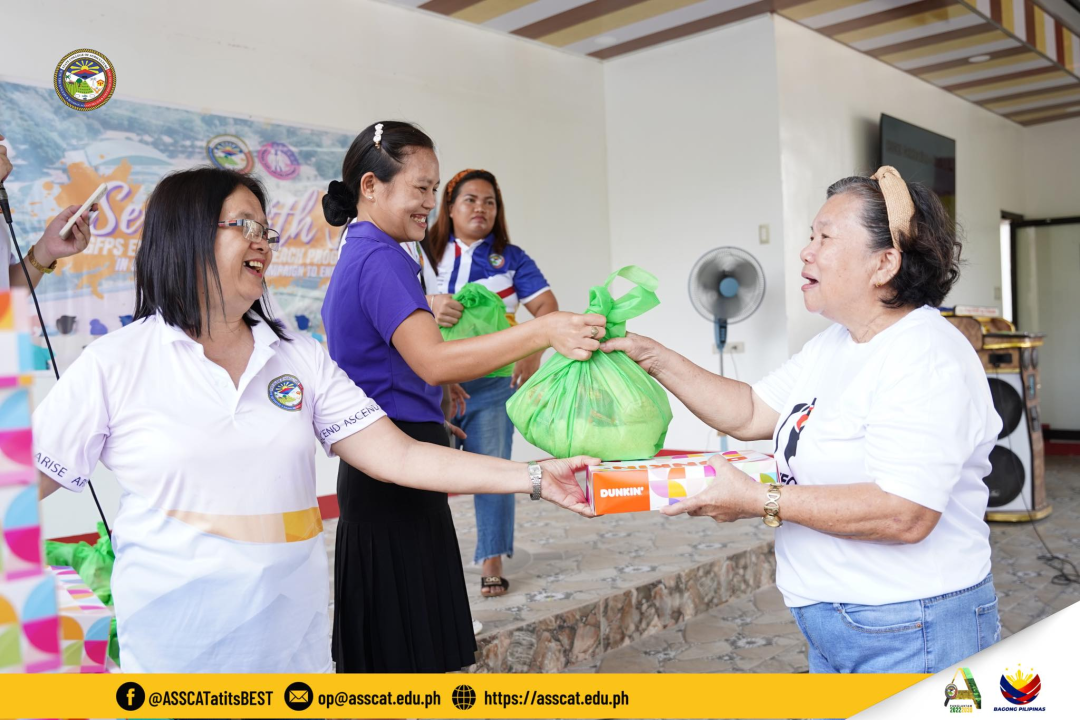
In 2024, ASSCAT implemented a flagship outreach and engagement program as part of the National Women’s Month Celebration, spearheaded by the GAD Focal Point System under the leadership of Ms. Leolyn Mae P. Jusay. The program specifically targeted women from the Indigenous People (IP) community in Bunawan, providing them with access to institutional support, empowerment platforms, and leadership development interventions.
The activity was graced by ASSCAT College President Dr. Joy C. Capistrano, a GAD Champion and proud IP leader known as Bae Kabugwason, who actively interacted with the participants, shared insights on empowered womanhood, and reinforced the importance of women’s inclusive participation in education, governance, and community development. The engagement served as the first collective gathering of the women of Bunawan, acknowledged with gratitude by Bae Mahubay Elvira G. Catuburan, RM, MBA.
Program Components and Women’s Access Provisions
The 2024 Women’s Month initiatives provided multiple access schemes for women, including:
- Mentorship and Dialogues: Interactive sessions facilitated by women leaders and institutional officials, focusing on leadership, rights, and community participation.
- Resource Provision: Distribution of essential materials and learning resources to support women’s welfare and community engagement.
- Empowerment Platforms: Spaces for women to voice concerns, share experiences, and take part in localized decision-making conversations.
- Capacity-Building Activities: Competitions, forums, extension programs, and community engagement designed to enrich skills and confidence among women participants.
- Institutional Inclusion: Participation from both male and female personnel and students, reinforcing shared responsibility in gender equality efforts.
Objectives of the Women’s Access and Empowerment Program
The initiatives aligned with national and institutional objectives, including:
- Expanding awareness of women’s rights, roles, and contributions to society.
- Strengthening women’s active participation in development processes.
- Providing platforms for sharing best practices and engaging in inclusive dialogues.
- Embedding ASSCAT’s core values to foster a gender-responsive environment.
- Empowering women as agents of transformation in their communities.
- Encouraging collective participation in GAD programs across all stakeholder groups.
These activities, conducted from March 1–31, 2024, highlighted the theme:
“Lipunang Patas sa Bagong Pilipinas; Kakayahan ng Kababaihan, Patutunayan!”
This theme aligns with the Philippine Development Plan 2023–2028 and the Updated GEWE Plan 2019–2025, emphasizing gender equality, expanded opportunities, and the removal of systemic barriers for women.
Collaborative Implementation
The program was conducted through the partnership of the ASSCAT Gender and Development Office, the Office of the President, and the ASSCAT Supreme Student Government led by Hon. Justene Dela Peña, showcasing whole-of-institution support for women’s empowerment.
Evidence
- Project Title: Celebration of National Women’s Month (2024)
Indicator 5.3.4 – Women in Underrepresented Subjects
The Agusan del Sur State College of Agriculture and Technology (ASSCAT) actively promotes inclusive enrollment across all programs and continually encourages women to pursue disciplines where they have been historically underrepresented. These include Biology, Environmental Science, Applied Mathematics, and programs under the College of Computing and Information Sciences (CCIS).
While ASSCAT does not currently implement women-specific promotional campaigns, its general promotional and outreach materials released in 2024 play a significant role in inspiring women to enter these traditionally male-dominated fields. Because programs such as Applied Mathematics, Environmental Science, and Computing typically attract more male enrollees, broad-based promotional content inherently supports gender inclusivity by showcasing accessible pathways for all genders.
Inclusive Promotion of Underrepresented Fields
ASSCAT’s campaign materials highlight academic strengths, career trajectories, and research opportunities across STEM and technical programs, reinforcing that these fields are open, welcoming, and equitable. Messaging emphasizes empowerment, scientific curiosity, environmental leadership, and technological innovation—values that encourage women to envision successful careers in these areas.
- BS Biology Specializations (Medical Biology, Ecology, Microbiology): Present women-friendly pathways in laboratory research, health sciences, and biodiversity studies.
- BS Environmental Science: Showcases roles in community engagement, conservation leadership, climate resilience, and field-based research—areas with increasing female participation.
- BS Applied Mathematics: Features analytics, modeling, and quantitative research, encouraging more women to join a discipline where they remain underrepresented.
- Computing and Information Sciences (CCIS): Uses inclusive narratives and multimedia content to inspire women to pursue tech careers in software development, cybersecurity, and data science.
Contribution to SDG 5
Through inclusive promotional strategies, ASSCAT helps shift perceptions surrounding male-dominated disciplines and supports increased participation of women in STEM fields. By maintaining equitable messaging and portraying diverse role models and opportunities, the institution encourages women to pursue academic trajectories aligned with scientific and technological advancement.
Evidence
- Project Title: ASSCAT Promotional Materials Encouraging Students to Enroll


Indicator 5.4.1 – Proportion of Senior Female Academics
The Agusan del Sur State College of Agriculture and Technology (ASSCAT) continues to promote gender equality and inclusive leadership by ensuring that women have equitable opportunities to advance into senior academic roles. This commitment aligns directly with Sustainable Development Goal 5: Achieve gender equality and empower all women and girls, particularly in expanding women’s participation in academic leadership and governance.
For Academic Year 2023–2024, ASSCAT employed 379 personnel, of whom 140 were academic staff. Within this group, 50 were designated as senior academic staff, holding advanced academic ranks or leadership designations essential to institutional governance, research direction, curriculum development, and strategic decision-making.
Of the 50 senior academic personnel, 23 are women, accounting for 46% of all senior academic staff. This notable representation affirms the college’s steady progress in fostering gender-balanced academic leadership.
Institutional Significance
The presence of women in senior academic roles strengthens the institution in several ways:
- Inclusive Governance: Women’s perspectives contribute to more balanced and effective institutional policies and academic directions.
- Academic Leadership: Senior female academics help shape curriculum, research priorities, and quality assurance processes.
- Role Modeling: Their presence inspires early-career faculty and students—especially young women—to pursue advanced academic and leadership trajectories.
- SDG Alignment: Gender-responsive faculty development programs, equal opportunity guidelines, and merit-based promotion systems support women’s advancement, reinforcing ASSCAT’s commitment to SDG 5.
ASSCAT’s growing cadre of senior female academics reflects not only numerical progress but also a maturing culture that values diversity, representation, and equitable leadership. Their contributions serve as catalysts for innovation, ethical leadership, and continuous institutional improvement.
Table 5.4.1. Proportion of Senior Female Academics
| Academic Year | Total Employees | Academic Staff | Senior Academic Staff | Senior Female Academic Staff | % Senior Female |
|---|---|---|---|---|---|
| 2023–2024 | 379 | 140 | 50 | 23 | 46% |
ASSCAT’s growing cadre of senior female academics reflects not only numerical progress but also a maturing culture that values diversity, representation, and equitable leadership. Their contributions serve as catalysts for innovation, ethical leadership, and continuous institutional improvement.
Indicator 5.5.1 – Proportion of Female Degrees Awarded
Tables of Graduates by Category
Table 1. Number of STEM Graduates
| Academic Year | Total Graduates | Men | Women | % Men | % Women |
|---|---|---|---|---|---|
| 2022–2023 | 1,193 | 193 | 378 | 16.2% | 31.7% |
| 2023–2024 | 1,095 | 197 | 380 | 18.0% | 34.7% |
| 2024–2025 | 1,273 | 259 | 413 | 20.3% | 32.4% |
| Total | 3,561 | 649 | 1,171 | 18.2% | 32.9% |
Women in STEM
In 2023–2024, women accounted for 380 of 1,095 STEM graduates (34.7%), marking an increase from 31.7% in the previous year.
This upward trend indicates:
- More women are entering STEM disciplines
- Women are completing their programs at consistently high rates
- Institutional support—such as inclusive instruction, gender-sensitive academic environments, and role modeling—is taking effect
Women’s growing presence in STEM signals progress in dismantling gender norms in fields essential to scientific and technological innovation.
Table 2. Number of Medicine & Allied Course Graduates (BS Biology)
| Academic Year | Total Graduates | Men | Women | % Men | % Women |
|---|---|---|---|---|---|
| 2022–2023 | 1,193 | 10 | 49 | 0.8% | 4.1% |
| 2023–2024 | 1,095 | 7 | 50 | 0.6% | 4.6% |
| 2024–2025 | 1,273 | 8 | 53 | 0.6% | 4.2% |
| Total | 3,561 | 25 | 152 | 0.7% | 4.3% |
Women in Medicine & Allied Fields (BS Biology)
Women continue to excel in Medicine and Allied Courses, with 50 out of 57 Biology graduates (4.6% relative share) in 2023–2024 being women.
Although the program represents a smaller proportion of total graduates, the internal gender distribution is notable:
- Women dominate the program
- Women demonstrate strong academic performance in intensive science and health-related fields
- This reinforces national and global patterns of increasing female representation in medical and biological sciences
Their strong presence positions them to influence healthcare, research, and scientific leadership.
Table 3. Number of Arts & Humanities Graduates
| Academic Year | Total Graduates | Men | Women | % Men | % Women |
|---|---|---|---|---|---|
| 2022–2023 | 1,193 | 51 | 193 | 4.3% | 16.2% |
| 2023–2024 | 1,095 | 52 | 305 | 4.7% | 27.9% |
| 2024–2025 | 1,273 | 59 | 344 | 4.6% | 27.0% |
| Total | 3,561 | 162 | 842 | 4.5% | 23.6% |
Women in Arts & Humanities
Women show the strongest representation in the Arts & Humanities.
In AY 2023–2024:
- 305 women graduated, accounting for 27.9% of graduates
- This is a significant rise from 16.2% in the previous year
- Women remain a driving force in disciplines shaping culture, communication, identity, community leadership, and social discourse
This rapid growth underscores expanding opportunities for women in fields central to societal transformation and creative leadership.
Overall Trends and Alignment With SDG 5
Across all three academic sectors—STEM, Medicine & Allied Courses, and Arts & Humanities—women continue to:
- Access higher education in increasing numbers
- Graduate at competitive or higher rates than men
- Overcome traditional gender norms in various disciplines
- Demonstrate academic excellence and perseverance
These outcomes reflect a learning environment that is progressively more inclusive, equitable, and committed to empowering women through education.
ASSCAT’s upward trends in female graduation rates affirm its alignment with SDG 5 by ensuring that women not only access education but succeed and thrive across diverse academic fields.
Indicator 5.6.1 – Policy on Non-Discrimination Against Women
The Agusan del Sur State College of Agriculture and Technology (ASSCAT) upholds a strong institutional commitment to gender equality through comprehensive, explicit, and enforceable policies that ensure non-discrimination against women. This commitment aligns directly with Sustainable Development Goal 5 (SDG 5), which calls for the empowerment of all women and girls and the elimination of gender-based inequalities in all sectors of society.
ASSCAT operationalizes gender fairness through three core policy instruments:
- the Administrative Manual (GAD Office Policies),
- the Equal Opportunity Principle Policy (EOPP), and
- the Student Manual (Student Protection and Discipline).
Together, these documents form a robust framework that protects the rights of women and ensures equitable participation in academic, administrative, and student life.
1. Administrative Manual – Gender and Development (GAD) Office Policies
ASSCAT’s Administrative Manual institutionalizes the Gender and Development (GAD) Office, the primary body responsible for mainstreaming gender equality across all college operations. The GAD Office mandate explicitly emphasizes promoting gender-sensitive programs and ensuring equitable participation of both men and women in all institutional activities.
Key non-discrimination mechanisms include:
- Integration of gender-responsive instruction, ensuring that the curriculum promotes inclusivity and avoids reinforcing gender stereotypes.
- Equal participation in institutional governance, guaranteeing that women have equitable access to leadership roles, committees, and program implementation.
- Mandatory use of gender-fair language in all institutional communications and official documents.
- Capacity-building programs to strengthen gender sensitivity among faculty, staff, and students.
These provisions establish systemic safeguards that prevent discrimination and foster a safe, inclusive, and equitable academic environment for women.
2. Equal Opportunity Principle Policy (EOPP)
The EOPP serves as the institution’s formal declaration of equal rights and equitable treatment for all individuals—regardless of sex, gender identity, age, ethnicity, or other status. It affirms that no woman shall be denied admission, employment, promotion, benefits, or participation in any college program on the basis of gender.
The policy guarantees:
- Non-discriminatory recruitment, promotion, and retention for women faculty and staff.
- Equal access to academic opportunities, scholarships, and training programs for women students.
- Clear accountability mechanisms, requiring every unit to enforce fair, unbiased, and gender-responsive practices.
Through the EOPP, ASSCAT formalizes its obligation to prevent gender-based inequalities and ensure that women can thrive in a supportive institutional ecosystem.
3. Student Manual – Gender-Sensitive Student Protection and Discipline
The Student Manual reinforces the institution’s non-discrimination stance by embedding gender-sensitive student protection policies within the disciplinary framework.
It safeguards women students by:
- Prohibiting all forms of harassment, discrimination, and misconduct targeting gender, identity, or personal safety.
- Mandating just and gender-responsive disciplinary procedures through the Student Discipline Committee.
- Promoting a secure campus environment, where women students can fully participate in academic and extracurricular life without fear of marginalization or harm.
These policies ensure that the rights, dignity, and well-being of women students are protected at every level of campus life.
Through its Administrative Manual, EOPP, and Student Manual, ASSCAT demonstrates a clear, consistent, and institutionalized policy of non-discrimination against women. These interconnected policies uphold gender equality, prevent discriminatory actions, and foster a campus culture where women feel protected, respected, and empowered—fully aligned with SDG 5.
5.6.1 Policy of non-discrimination (women)
- ASSCAT Administrative Manual (Section 8 – Page 81-86)
- ASSCAT EOPP (Full Text)
- ASSCAT L&D Policy Manual (Paragraphs 1.5 and 1.6.2 – Page 12; Section E – Page 16)
- ASSCAT MSP-NTP and MSP-TP (I.1, I.2 & I.3 – Pages 1-3)
- ASSCAT SPMS (II.5 – Page 3-4)
- ASSCAT Student Manual (Section 24 – Page 19; Section 36 – Page 31; Section 128.4 – Page 68-69)
Indicator 5.6.3 – Maternity Policy
The Agusan del Sur State College of Agriculture and Technology (ASSCAT) actively implements a comprehensive maternity policy designed to support women’s participation in the workforce, promote gender equality, and ensure a balanced academic and administrative environment. The policy aligns with the Amendment to the Omnibus Rules on Leave (CSC MC No. 41, s. 1998, as amended by CSC MC No. 5, s. 2021), promulgated pursuant to CSC Resolution No. 2100020 on January 7, 2021.
By adopting these provisions, ASSCAT recognizes the need for institutional support that enables female employees to balance maternal responsibilities while maintaining career growth, leadership engagement, and professional continuity.
Key Features of the Maternity Policy
- 105 Days Maternity Leave with Full Pay: Covers both prenatal and postnatal periods, ensuring female employees have adequate rest during high-risk pregnancies and sufficient time for recovery, breastfeeding, and bonding with the newborn.
- Extended Leave Options: Up to 30 additional days of maternity leave without pay or charged against leave credits.
- Solo Parent Benefits: 15 additional days with full pay for solo parents under the Solo Parents’ Welfare Act of 2000.
- Shared Caregiving Provisions: Up to seven days of maternity leave may be allocated to the child’s father or an alternate caregiver, promoting shared responsibility and reinforcing gender equality in caregiving roles.
- Policy Clarity: Terms such as prenatal care, postnatal care, permanent incapacity, adoption leave, and employment status are explicitly defined to ensure transparency, accessibility, and consistency in implementation.
Alignment with National Laws
ASSCAT’s maternity policy reflects compliance with the following legislation:
- 105-Day Expanded Maternity Leave Law (RA No. 11210)
- Paternity Leave Act of 1996 (RA No. 8187)
- Domestic Adoption Act of 1998 (RA No. 8552)
This ensures female employees receive statutory benefits while fostering an inclusive, equitable, and non-discriminatory professional environment.
CSC MC No. 41, s. 1998 (as amended by CSC MC No. 5, s. 2021)
Impact on Gender Equality and Participation
- Supports Professional Continuity: Female employees can maintain active participation in teaching, research, administration, and leadership activities.
- Promotes an Inclusive Culture: Male employees and colleagues are encouraged to support women during maternity leave, reinforcing a collaborative and equitable workplace.
- Advances SDG 5 Objectives: By protecting maternal rights and ensuring continued professional engagement, ASSCAT empowers women to contribute meaningfully to institutional development and society.
ASSCAT’s maternity policy exemplifies a family-friendly, gender-sensitive institutional framework that removes barriers to professional participation for women. It ensures that motherhood does not hinder career advancement, fosters equitable opportunities, and strengthens the university’s commitment to achieving SDG 5: Gender Equality.
Indicator 5.6.4 – Childcare Facilities for Students
The Agusan del Sur State College of Agriculture and Technology (ASSCAT) provides accessible childcare support facilities designed to enable student-mothers—particularly recent mothers—to continue attending their university courses without compromising childcare responsibilities.
As part of its Health and Wellness Program, ASSCAT acknowledges that parenting, especially for new mothers, can significantly affect academic participation and retention. To address this challenge, the institution established the Student-Parents Support Room (SPSR) within the campus Health and Wellness Center. This facility offers a safe, comfortable, and supportive environment where student-mothers can care for their infants while fulfilling academic obligations.
Features of the SPSR Facility
- Designated Lactation Space: Ensures privacy and comfort for nursing mothers.
- Temporary Childcare Area: Provides safe supervision for infants during class hours or academic activities.
- Resting Corner: Allows student-mothers to recuperate and manage fatigue.
- Basic Hygiene Facilities: Includes handwashing and sanitation areas to maintain a healthy environment.
The SPSR is managed by the College Health Services Unit in coordination with the Gender and Development (GAD) Office, ensuring that the facility is inclusive, safe, and gender-responsive, and compliant with child-friendly standards.
Supporting Mechanisms and Accessibility
- Information Dissemination: Students are informed about the facility during orientations, through campus newsletters, and GAD announcements.
- Monitoring and Assistance: The GAD Office provides ongoing support, including counseling, academic advising, and flexible learning accommodations for student-mothers.
- Integration with GAD Initiatives: Childcare support is a key component of ASSCAT’s gender-responsive programs, emphasizing the university’s commitment to ensuring equitable access for women in higher education.
Impact on Gender Equality
The SPSR allows student-mothers to attend classes, participate in academic activities, and complete requirements while managing childcare responsibilities. This initiative demonstrates ASSCAT’s compliance with national gender-responsive policies and reflects its broader commitment to SDG 5: Achieve Gender Equality and Empower All Women and Girls. By providing accessible childcare support, the university fosters a learning environment where no parent is left behind, supporting inclusive education and academic success for student-parents.
Childcare and Lactation Facility, ASSCAT Health and Wellness Center


Indicator 5.6.5 – Childcare Facilities for Staff and Faculty
The Agusan del Sur State College of Agriculture and Technology (ASSCAT) demonstrates a strong commitment to supporting faculty and staff through comprehensive workplace wellness initiatives, including childcare support. To facilitate this, ASSCAT provides a Childcare and Family Support Room (CFSR) within the Health and Wellness Center, offering a safe and gender-responsive space for employees managing both professional duties and caregiving responsibilities.
Features of the CFSR Facility
- Breastfeeding and Lactation Amenities: Provides privacy and comfort for nursing mothers.
- Child-Safe Seating and Resting Spaces: Ensures a secure environment for temporary childcare.
- Basic Hygiene Utilities: Maintains a clean and healthy space for children and parents.
The CFSR is intended as a temporary care area rather than a full-day daycare, enabling staff to continue work in teaching, administration, and research while attending to caregiving responsibilities.
Complementary Support: Nursing Recovery Room
In addition to the CFSR, ASSCAT also operates a Nursing Recovery Room, specifically designed to support the health, recovery, and breastfeeding needs of new mothers. The room provides:
- Comfortable seating and private space
- Facilities to express breast milk
- A quiet environment for rest and recovery
Together, the CFSR and Nursing Recovery Room support faculty and staff in balancing professional obligations with parental duties, ensuring that women and men can remain engaged in their work without compromising caregiving responsibilities.
Institutional Alignment and Oversight
- Policy Compliance: Both facilities align with national regulations, including the Expanded Maternity Leave Law, the Paternity Leave Act, and GAD mainstreaming guidelines.
- Monitoring and Maintenance: The Human Resource Management Division (HRMD) oversees safety, cleanliness, and accessibility.
- Supplementary Support: The GAD Office complements these facilities with wellness programs, parenting guidance, and work-life balance initiatives.
These efforts reinforce ASSCAT’s commitment to SDG 5: Gender Equality, ensuring that working parents—especially women—have equitable access to career opportunities and supportive work environments.
Project Title: Childcare and Lactation Facility, ASSCAT Health and Wellness Center


Indicator 5.6.6 – Women’s Mentoring Schemes
The Agusan del Sur State College of Agriculture and Technology (ASSCAT) implements women’s mentoring schemes that provide female students with structured guidance, coaching, and support to enhance their academic readiness, professional development, and personal well-being. These initiatives are embedded in major programs conducted by the Office of Student Affairs (OSA) and Student Welfare Services (SWS), including the Career Guidance & Employment Coaching (December 1–2, 2023) and the Career Planning Seminar (June 6, 2024).
Both activities served as mentoring platforms, where women students actively participated and received guidance from experienced female professionals and resource speakers.
Highlights of the Career Planning Seminar (June 6, 2024)
- Audience: Graduating students from all five colleges
- Format: Guided mentoring sessions, interactive discussions, demonstrations, and coaching
- Mentors and Speakers:
- Ms. Millisent O. Dialde – Job Interview Coaching
- Ms. Kristine N. Garsain – Work Ethics
- Ms. Ma. Limaya Apresto – SSS Programs and Membership
- Ms. Pinky Azenith Abapo – Mental Wellness for Job Seekers
The sessions created a safe and empowering environment for women students to:
- Ask questions
- Clarify workplace expectations
- Receive professional and mental wellness guidance during the transition from college to employment
The campus-wide participation ensured that a significant number of female students were reached, meeting and exceeding the 10% participation threshold required for this indicator.
Highlights of Career Guidance & Employment Coaching (December 1–2, 2023)
This program offered another mentoring platform for female students through:
- Career coaching
- Orientation and guided career exploration
- Practical exercises to prepare for workforce entry
Participants gained skills in:
- Interview techniques and resume preparation
- Workplace ethics and professional conduct
- Confidence-building and self-efficacy
Objectives of ASSCAT’s Mentoring Schemes
- Equip women students with practical employment competencies
- Build confidence and self-efficacy through interaction with experienced female mentors
- Facilitate the transition from college to employment, including mental wellness guidance
- Ensure inclusive access for women students across all colleges and programs
- Strengthen gender-responsive student services aligned with institutional values
Impact
Through these mentoring schemes, ASSCAT has demonstrated its commitment to women’s career readiness and empowerment. The programs provide platforms for women to actively engage with mentors, learn from female leaders, and develop the competencies necessary for professional success. Participation levels confirm that at least 10% of female students benefited from these initiatives.
Evidence
- Career Guidance & Employment Coaching, December 1–2, 2023 (OSA-SWS)
- Career Planning Seminar, June 6, 2024 (OSA-SWS, Career and Job Placement Unit)

Indicator 5.6.7 – Track Women’s Graduation Rate
The Agusan del Sur State College of Agriculture and Technology (ASSCAT) actively tracks and monitors women’s academic performance and graduation outcomes to ensure gender equity in educational attainment. Through systematic collection and analysis of gender-disaggregated data, the university evaluates the likelihood of female students graduating compared to their male counterparts, in line with SDG 5 Indicator 5.6.7.
Graduation Data Highlights (AY 2023–2024)
- Total Graduates: 1,095
- Female Graduates: 801 (73.2%)
- Male Graduates: 294 (26.8%)
This data demonstrates that women represent a significant majority of graduates, reflecting both their active participation in academic programs and the effectiveness of support mechanisms facilitating their academic success.
Tracking and Intervention Measures
ASSCAT implements a systematic framework to ensure equitable graduation outcomes for all students:
- Data Collection and Analysis:
- Maintains comprehensive gender-disaggregated statistics on enrollment, academic performance, and graduation outcomes
- Identifies potential gaps between male and female students’ academic progression
- Targeted Support Schemes:
- Mentoring programs designed to guide female students through academic challenges
- Academic advising and skills development workshops to enhance student readiness and performance
- Peer mentoring for additional guidance and encouragement
- Career guidance services tailored for women, particularly in underrepresented fields
- Gap Closure Strategies:
- Proactive monitoring of at-risk students
- Early interventions to prevent delays in program completion
- Continuous assessment of academic support initiatives’ effectiveness
Impact and Alignment with SDG 5
By tracking graduation rates and implementing targeted support schemes, ASSCAT ensures that female students are equipped to complete their programs successfully. This approach:
- Promotes fairness in academic progression
- Ensures that gender does not become a barrier to educational attainment
- Strengthens ASSCAT’s commitment to an inclusive and supportive learning community
- Aligns with SDG 5 by empowering women to succeed academically and professionally
Graduation Trends (AY 2022–2025)
| Academic Year | Total Graduates | Men Graduates | Women Graduates | % Men | % Women |
|---|---|---|---|---|---|
| 2022–2023 | 1,193 | 327 | 866 | 27.4% | 72.6% |
| 2023–2024 | 1,095 | 294 | 801 | 26.8% | 73.2% |
| 2024–2025 | 1,273 | 384 | 889 | 30.2% | 69.8% |
| Total | 3,561 | 1,005 | 2,556 | 28.2% | 71.8% |
Figure 1. Table showing the number and percentage of male and female graduates at ASSCAT, demonstrating the institution’s tracking of women’s graduation rates and commitment to ensuring equitable academic outcomes.
Indicator 5.6.8 – Protects Those Reporting Discrimination Policy
The Agusan del Sur State College of Agriculture and Technology (ASSCAT) recognizes the fundamental right of all officials, faculty, staff, and students to work and study in an equitable, fair, and discrimination-free environment. In line with this principle, ASSCAT has established a comprehensive grievance and reporting policy that protects individuals who report instances of discrimination from any form of educational or employment disadvantage. This policy aligns with the Civil Service Commission (CSC) Memorandum Circular No. 2, s. 2001, which provides guidelines on the settlement of grievances in the public sector.
Key Features of the Policy
- Formal Grievance Mechanism:
- Provides a structured process for reporting grievances related to academic or workplace discrimination
- Encourages resolution at the lowest possible level through dialogue, mediation, or conciliation with immediate supervisors
- Allows escalation to higher authority levels if the grievance involves the immediate supervisor
- Protection from Retaliation:
- Ensures that complainants are safeguarded against coercion, discrimination, retaliation, or biased action
- Encourages members of the university community to exercise their right to report issues without fear of disadvantage
- Informal and Formal Resolution:
- Informal: Counseling and discussion with supervisors
- Formal: Submission to the Grievance Committee for fact-finding, mediation, and resolution
- Grievance committees are composed of permanent officials and employees selected for integrity and impartiality
- Proactive Measures and Preventive Initiatives:
- Management-led forums, coffee hours, and team-building workshops
- Enhanced communication via bulletins, recognition programs, employee counseling, climate surveys, and open-door policies
- Designed to prevent conflict and promote a positive, transparent organizational culture
- Active Enforcement:
- Policy operational as of 2024 and actively enforced to ensure compliance with civil service laws, rules, and merit-based principles
- All personnel actions adhere to the Equal Opportunities Policy (EOP)
Impact and Alignment with SDG 5
By protecting individuals who report discrimination, ASSCAT:
- Ensures equitable treatment and safety for all members of the university community
- Promotes transparency, accountability, and ethical governance
- Reinforces a safe, inclusive, and supportive academic and work environment
- Contributes to Sustainable Development Goal 5 by fostering gender equality and protecting rights within educational and employment settings
Evidence
- Document: ASSCAT Grievance Machinery Policy (Parole and Probation Administration reference)
- Source: ASSCAT Administrative Manual

Indicator 5.6.9 – Paternity Policy
The Agusan del Sur State College of Agriculture and Technology (ASSCAT) demonstrates its commitment to gender equality and shared parenting responsibilities through a robust paternity policy embedded in its Performance Management Policy. This policy ensures a workplace free from discrimination based on age, gender identity, civil status, pregnancy, or other personal circumstances while enabling non-gestational parents—particularly male employees—to actively participate in childcare duties and support their spouses before, during, and after childbirth.
Key Features of the Policy
- Support for Male Employees:
- Male employees whose spouse is giving birth are eligible for paternity leave and adjustments in performance targets
- Ensures childcare participation does not negatively impact professional evaluations
- Promotes shared parenting responsibilities, supporting women’s continued participation in the workforce
- Legal Alignment:
- Based on CSC Memorandum Circular No. 41, s. 1998, as amended by CSC Resolution No. 2100020, 2021
- Provides seven (7) days of paternity leave with full pay for married male employees
- Leave supports care for the spouse and newborn, fostering equitable distribution of family responsibilities
- Flexible Performance Management:
- Work assignments, task planning, and evaluations consider personal circumstances
- Allows employees to balance professional duties with caregiving obligations
- Ensures fairness and objectivity in performance assessment while supporting family commitments
- Transparency and Accountability:
- Requires proper documentation and formal application of paternity leave
- Ensures compliance with legal standards and institutional procedures
Impact and Alignment with SDG 5
ASSCAT’s paternity policy:
- Encourages shared parenting responsibilities, promoting women’s active participation in professional and academic roles
- Reduces gender-based disparities in the workplace
- Enhances employee morale, well-being, and family-centered organizational culture
- Aligns with Sustainable Development Goal 5 by fostering gender equality and inclusivity in institutional policies
Implementation
- Policy operational by 2024, reflecting alignment with CSC 2021 amendments
- Part of ASSCAT’s broader strategy to integrate gender-sensitive and family-supportive measures during the 2021–2025 period
Evidence
- Document: ASSCAT Paternity and Childcare Policy