
SDG 4 Quality Education
ASSCAT supports SDG 4 by ensuring accessible, learner-centered, and high-quality education for all. Through enhanced instruction, faculty development, and evidence-based academic initiatives, the institution empowers students with the knowledge and skills needed for lifelong learning and sustainable growth.

- Overview
- Indicators and Progress
SDG 4 aims to ensure inclusive, equitable, and quality education for all, recognizing learning as a foundation for human development and sustainable progress. In a rapidly changing world shaped by technological shifts, economic challenges, and social inequalities, access to meaningful education has become more essential than ever. Achieving this goal requires strengthening learning systems, improving teaching quality, and expanding opportunities for learners across all backgrounds.
Indicator 4.1.1— Paper Views
Table 4.1.1— Paper Views
| No. | Title of Publication | Year | Platform/ Journal | Total Views | Average Views per Month | Source/Link |
| 1 | The Interrelated Effect of School Context Domains on the Mathematics Productive Disposition of Junior High School Students | 2024 | Ignatian International Journal for Multidisciplinary Research | 42 | 4 | https://zenodo.org/records/13855401 |
| 2 | READINESS ON ONLINE DISTANCE LEARNING: ITS IMPACT TO THE MATHEMATICS ACHIEVEMENT OF FIRST-YEAR STUDENTS | 2024 | Ignatian International Journal for Multidisciplinary Research | 25 | 3 | https://zenodo.org/records/13270873 |
| 3 | TPACK and Computer Literacy as Predictors of Knowledge and Understanding in Plane and Solid | 2024 | Ignatian International Journal for Multidisciplinary Research | 22 | 2 | https://zenodo.org/records/13134564 |
| 4 | Prediction-based Techniques on Academic Performance of Graduating Students through Machine Learning | 2024 | International Conference on Inventive Computation Technologies (ICICT 2024) | 66 | 6 | https://ieeexplore.ieee.org/document/10544915 |
ASSCAT’s commitment to Sustainable Development Goal 4 (Quality Education) is reflected in the growing attention received by its research publications. These studies highlight the institution’s ongoing efforts to improve teaching practices, strengthen digital learning, and support students’ academic growth, especially in mathematics.
In 2024, three ASSCAT papers published in the Ignatian International Journal for Multidisciplinary Research gained a combined total of 89 views on Zenodo. Each of these works sheds light on important areas of learning and educational improvement:
- “The Interrelated Effect of School Context Domains on the Mathematics Productive Disposition of Junior High School Students” reached 42 views, showing strong interest in how school environments shape students’ confidence and attitudes toward mathematics.
- “Readiness on Online Distance Learning: Its Impact on the Mathematics Achievement of First-Year Students” received 25 views, offering timely insights into students’ experiences and challenges in digital learning settings.
- “TPACK and Computer Literacy as Predictors of Knowledge and Understanding in Plane and Solid Geometry” gathered 22 views, emphasizing the value of technology skills and modern teaching approaches in improving student understanding.
Another important contribution is ASSCAT’s conference paper, “Prediction-based Techniques on Academic Performance of Graduating Students through Machine Learning”. Presented at ICICT 2024 and viewed 66 times on IEEE Xplore, this study demonstrates how data and machine learning can support better academic evaluation and decision-making in education.
Overall, these viewership results show that ASSCAT’s SDG 4–related research is steadily reaching a wider audience. The growing interest in these publications reflects the institution’s meaningful contribution to improving the quality of education, both locally and beyond.
Indicator 4.1.2 CiteScore
Table 1. Proportion of Publications in the Top 10 % of Journals Based on CiteScore (2023 – 2025)
| Title of Research Publication | Author(s) | Journal / Publisher | SJR 2024 | Quartile (Q) | H-Index | Coverage Years | Remarks / Classification |
| Exploring the Capabilities of Pristine B84 Nanocluster for Selective NO and N₂O Gases Detection Involved in COVID-19: A DFT Analysis (2024) | Sabugaa M.M. | Journal of Inorganic and Organometallic Polymers and Materials | 0.697 | Q2 | 69 | 1996 – 2025 | High-ranking international journal |
| HPA Axis Dysregulation and Mental Health Outcomes in Filipino Teachers Residing in Marawi during the COVID-19 Pandemic (2024) | Ebardo G.V.M. | African Journal of Biological Sciences | 0.133 | Q4 | 5 | 2019 – 2022 | Mental health and education |
| Neuroinflammatory Consequences of COVID-19 Psychological Well-being among Filipino Teachers in Marawi (2024) | Ebardo G.V.M. | African Journal of Biological Sciences | 0.133 | Q4 | 5 | 2019 – 2022 | Same journal series |
| Serotonin and Dopamine Dysregulation: Unveiling the Toll of COVID-19 on Mental Health among Teachers in Marawi City (2024) | Ebardo G.V.M. | African Journal of Biological Sciences | 0.133 | Q4 | 5 | 2019 – 2022 | Same journal series |
Links:
- https://link.springer.com/article/10.1007/s10904-023-02951-y
- https://www.researchgate.net/publication/381406521_HPA_Axis_Dysregulation_and_Mental_Health_Outcomes_in_Filipino_Teachers_Residing_in_Marawi_during_the_COVID-19_Pandemic
- https://www.afjbs.com/uploads/paper/89326908d396ab8ee31ad9a8d9d3ec90.pdf
- https://www.researchgate.net/publication/381406487_Serotonin_and_Dopamine_Dysregulation_Unveiling_the_Toll_of_COVID-19_on_Mental_Health_among_Teachers_in_Marawi_City_Philippines
Table 2. Summary and Proportion
| Quartile Category | Number of Publications | Percentage of Total (%) |
| Q1 (Top 10 % CiteScore) | 0 | 0.0 % |
| Q2 (High ranking) | 1 | 10.0 % |
| Q3 (Mid-tier) | 0 | 0.0 % |
| Q4 (Developing tier) | 4 | 0.0 % |
| Total | 5 | 100 % |
The updated publication data for ASSCAT demonstrates the institution’s continuous efforts to advance research productivity aligned with global academic standards. For the 2024 cycle, five (5) research outputs were recorded across Scopus-indexed journals, reflecting both the diversity of topics explored by faculty researchers and the growing emphasis on scientific visibility.
A strong contribution comes from Michael M. Sabugaa’s publication titled “Exploring the Capabilities of Pristine B84 Nanocluster for Selective NO and N₂O Gases Detection Involved in COVID-19: A DFT Analysis” (2024). Published in the Journal of Inorganic and Organometallic Polymers and Materials, a Q2 journal with an SJR of 0.697 and an H-index of 69, this paper represents 20 percent of all publications for the period and stands as the institution’s highest-ranking output. Its focus on nanocluster modeling and gas detection demonstrates the faculty’s capacity to contribute to advanced computational research with global relevance.
The remaining publications, authored by Gil Vincent M. Ebardo, collectively highlight the institution’s commitment to understanding the psychosocial impacts of COVID-19 on educators, particularly teachers residing in Marawi City. These studies, published in the African Journal of Biological Sciences (SJR 0.133, Q4, H-index 5), explore critical concerns such as HPA axis dysregulation, neuroinflammation, and serotonin–dopamine imbalance among Filipino teachers. While these journals fall under the Q4 developing tier, the topics reflect ASSCAT’s efforts to investigate mental health, trauma, and well-being, areas strongly connected to the educational and social dimensions of the SDGs.
Based on the updated summary in Table 2, ASSCAT’s 2024 publication distribution shows:
- 1 Q2 publication (20%), representing the institution’s high-ranking scientific output
- 4 Q4 publications (80%), demonstrating ongoing productivity within developing-tier journals
- No Q1 or Q3 publications recorded for this period
Although the majority of publications fall under Q4, the institution’s presence in a Q2 journal signifies solid progress toward improving research quality and visibility. The topics also show a consistent alignment with meaningful societal issues—mental health, pandemic effects, and technological innovation—which are important themes in higher education and sustainable development.
Overall, the updated data illustrates ASSCAT’s continued engagement in relevant, impactful research while gradually expanding its footprint in higher-tier journals. Strengthening faculty capacity, expanding collaborations, and supporting scientific writing will further enhance future performance in global research rankings.
Indicator 4.1.3— Quality Education: Publications
Data Table Template — Publications
| No. | Title of Publication | Year | Type (Article, Book, etc.) | Links |
| 1 | Exploring the Pedagogical Odyssey: An In-Depth Study of Pre-Service Teachers’ Lived Experiences in Crafting English Lesson Plans | 2024 | Journal Article | https://ideas.repec.org/a/bjc/journl/v11y2024i3p329-342.html |
| 2 | Assessment of College Admission Test Results: Basis for Enhancement of ASSCAT Admission and Retention Policy | 2024 | Journal Article | https://ideas.repec.org/a/bcp/journl/v8y2024i3sp2802-2805.html |
| 3 | Development of Test Questionnaire on Selected Topics in Calculus 1 (Final Term) | 2024 | Journal Article | https://www.researchgate.net/publication/383617220_Development_of_Test_Questionnaire_on_Selected_Topics_in_Calculus_1_Final_Term |
| 4 | The Interrelated Effect of School Context Domains on the Mathematics Productive Disposition of Junior High School Students | 2024 | Journal Article | https://zenodo.org/records/13855401 |
| 5 | READINESS ON ONLINE DISTANCE LEARNING: ITS IMPACT TO THE MATHEMATICS ACHIEVEMENT OF FIRST-YEAR STUDENTS | 2024 | Journal Article | https://icceph.com/wp-content/uploads/2024/08/READINESS-ON-ONLINE-DISTANCE-LEARNING-ITS-IMPACT-TO-THE-MATHEMATICS-ACHIEVEMENT-OF-FIRST-YEAR-STUDENTS.pdf |
| 6 | ADDRESSING GAPS IN QUALITY TEACHING: ASSESSING TEACHERS’ NEEDS AS BASIS FOR A PROFESSIONAL DEVELOPMENT EXTENSION PROGRAM | 2024 | Journal Article | https://www.researchgate.net/publication/383062178_ADDRESSING_GAPS_IN_QUALITY_TEACHING_ASSESSING_TEACHERS%27_NEEDS_AS_BASIS_FOR_A_PROFESSIONAL_DEVELOPMENT_EXTENSION_PROGRAM |
| 7 | TPACK and Computer Literacy as Predictors of Knowledge and Understanding in Plane and Solid | 2024 | Journal Article | https://icceph.com/wp-content/uploads/2024/07/TPACK-AND-COMPUTER-LITERACY-AS-PREDICTORS-OF-KNOWLEDGE-AND-UNDERSTANDING-IN-PLANE-AND-SOLID-GEOMETRY.pdf |
| 8 | The effect of TPACK on Developing 21st Century Teaching Skills: A Pre-service Teacher’s Perspective | 2024 | Journal Article | https://ideas.repec.org/a/bcp/journl/v8y2024i9p1804-1815.html |
| 9 | Test Questionnaire Development on Selected Topics in Calculus 1 | 2024 | Journal Article | https://www.researchgate.net/publication/384233534_TEST_QUESTIONNAIRE_DEVELOPMENT_ON_SELECTED_TOPICS_IN_CALCULUS_1 |
| 10 | Ensuring Validity and Reliability in Algebra Midterm Assessment: A Comprehensive Approach to test Development and Analysis | 2024 | Journal Article | https://ejournals.ph/article.php?id=24731 |
| 11 | UNLOCKING ALGEBRA: DEVELOPING STRATEGIC INTERVENTION MATERIALS TO BOOST GRADE VII COMPETENCIES | 2024 | Journal Article | https://eprajournals.com/IJMR/article/14071 |
| 12 | Investigating Students’ Lived Experiences in Mathematics Classroom Activities | 2024 | Journal Article | https://ideas.repec.org/a/bcp/journl/v8y2024i11p1508-1525.html |
| 13 | Enhancing Grade 7 Math Skills: Audio-Visual SIM for Mastering Integer Operations | 2024 | Journal Article | https://www.researchgate.net/publication/384864416_ENHANCING_GRADE_7_MATH_SKILLS_AUDIO-VISUAL_SIM_FOR_MASTERING_INTEGER_OPERATIONS |
| 14 | Assessment of College Admission Test Results: Basis for Enhancement of Asscat Admission and Retention Policy | 2024 | Journal Article | https://ideas.repec.org/a/bcp/journl/v8y2024i3sp2802-2805.html |
| 15 | A Quasi-Experimental Study on Code-switching in Enhancing the Reading Comprehension Skills of Bachelor of Arts in English Language | 2024 | Journal Article | http://ijece.virtualrealia.org/wp-content/uploads/2024/10/A-Quasi-Experimental-Study2.pdf |
| 16 | Prediction-based Techniques on Academic Performance of Graduating Students through Machine Learning | 2024 | Conference Paper | https://ieeexplore.ieee.org/document/10544915 |
In 2024, the Agusan del Sur State College of Agriculture and Technology (ASSCAT) continued to advance Sustainable Development Goal 4—Quality Education through a concentrated body of scholarly work. Faculty researchers produced 16 publications during the year, reflecting the institution’s commitment to improving teaching practices, learning outcomes, and educational innovation across both basic and higher education levels.
A significant portion of the research addresses pedagogy, teacher development, and instructional improvement. For example, “Exploring the Pedagogical Odyssey: An In-Depth Study of Pre-Service Teachers’ Lived Experiences in Crafting English Lesson Plans” examines the experiences of pre-service teachers in planning lessons, providing insights into teacher preparation and classroom readiness. Similarly, “A Quasi-Experimental Study on Code-Switching in Enhancing the Reading Comprehension Skills of Bachelor of Arts in English Language Students” highlights practical strategies for improving language proficiency among learners.
Mathematics education emerged as another key focus area. Publications such as “Unlocking Algebra: Developing Strategic Intervention Materials to Boost Grade VII Competencies”, “Enhancing Grade 7 Math Skills: Audio-Visual SIM for Mastering Integer Operations”, and multiple works on calculus and algebra assessment demonstrate ASSCAT’s dedication to addressing common learning gaps and improving student performance through locally relevant, evidence-based interventions.
The professional growth of teachers is strongly emphasized in several studies. Works such as “Training Design that Affects Motivation and Intellectual Progression of Science, Engineering, and Mathematics Teachers” and “Addressing Gaps in Quality Teaching: Assessing Teachers’ Needs as Basis for a Professional Development Extension Program” underscore the importance of teacher motivation, skills enhancement, and capacity-building. Furthermore, research on technological integration, “TPACK and Computer Literacy as Predictors of Knowledge and Understanding in Plane and Solid Geometry” and “The Effect of TPACK on Developing 21st Century Teaching Skills: A Pre-Service Teacher’s Perspective”, aligns with global trends in digital education and demonstrates ASSCAT’s responsiveness to 21st-century learning demands.
Several studies explore student learning contexts and assessment. “The Interrelated Effect of School Context Domains on the Mathematics Productive Disposition of Junior High School Students” examines how institutional and environmental factors influence student motivation and achievement, while “Readiness on Online Distance Learning: Its Impact to the Mathematics Achievement of First-Year Students” addresses challenges in adapting to blended and remote learning. Additionally, publications on assessment, such as “Development of Test Questionnaire on Selected Topics in Calculus 1”, “Ensuring Validity and Reliability in Algebra Midterm Assessment”, and “Assessment of College Admission Test Results: Basis for Enhancement of ASSCAT Admission and Retention Policy”, highlight the institution’s commitment to evidence-based evaluation and academic fairness.
The integration of technology and data analytics is exemplified by the conference paper “Prediction-Based Techniques on Academic Performance of Graduating Students through Machine Learning”, which showcases ASSCAT’s forward-looking approach to leveraging computational methods for educational assessment and decision-making.
Overall, the 2024 publication portfolio reflects ASSCAT’s strategic focus on inclusive, equitable, and high-quality education, demonstrating interdisciplinary engagement that links pedagogy, mathematics, language instruction, teacher development, and technological innovation. These scholarly outputs reinforce the college’s role as a regional knowledge hub, promoting research that is both practically relevant and globally informed.
By producing these 16 publications in a single year, ASSCAT highlights its commitment to building a vibrant research culture, supporting faculty development, and advancing educational quality in alignment with SDG 4.
4.2.1 Proportion of Graduates with relevant qualifications for teaching
Table 1. Number of Bachelor of Elementary Education (BEEd) and Bachelor of Science in Education BSEd Graduates
| Academic Year | Total Graduates | BEEd Graduates | BSEd Graduates | Combined BEEd + BSEd Graduates | Percentage of Teacher-Ed Graduates |
| 2023–2024 | 1095 | 150 | 244 | 394 | 36.0% |
In Academic Year 2023–2024, the Agusan del Sur State College of Agriculture and Technology (ASSCAT) demonstrated a strong commitment to Sustainable Development Goal 4—Quality Education—through the continued productivity of its teacher education programs. Based on data from the Office of the College Registrar, the institution produced a total of 1,095 graduates, of whom 394 came from teacher education programs. This includes 150 graduates from the Bachelor of Elementary Education (BEEd) and 244 graduates from the Bachelor of Secondary Education (BSEd). Together, these represent 36.0 percent of all graduates, making teacher education the most substantial contributor to ASSCAT’s academic output for the year.
The significant number of BSEd graduates is especially notable, as it highlights ASSCAT’s vital role in supplying qualified secondary school teachers for the region. With specializations in English, Mathematics, Science, and Technology and Livelihood Education, the BSEd program addresses pressing national needs in subject areas that have long faced teacher shortages. These graduates are prepared to meet the demands of the K–12 curriculum, particularly in content-heavy and skill-based learning areas that require specialized training. Their competencies directly support the broader educational system by enhancing learning continuity from junior to senior high school.
Meanwhile, the BEEd program continues to strengthen the foundation of basic education by preparing future elementary teachers equipped with pedagogical skills for early and middle childhood learning. The consistent production of BEEd graduates reflects the institution’s dedication to improving literacy, numeracy, and foundational competencies among young learners across Agusan del Sur and nearby provinces.
The combined output of BEEd and BSEd graduates in 2023–2024 underscores the college’s ongoing commitment to providing relevant and quality teacher education. Despite the expansion of other academic programs—such as agriculture, engineering, and information technology—the teacher education sector remains a central and defining component of ASSCAT’s mission. The steady number of graduates in both BEEd and BSEd confirms the institution’s role as a regional hub for producing future educators who will serve in public and private schools, especially in rural and underserved communities.
ASSCAT’s teacher education programs remain aligned with the Commission on Higher Education’s outcomes-based education framework and national teacher standards. Students undergo pre-service teaching experiences in partner schools, enabling them to apply educational theories and strategies in real classroom settings. This practical training helps future teachers develop classroom management skills, cultural sensitivity, and adaptive teaching strategies—qualities necessary for effective teaching, especially in diverse and evolving educational environments.
The institution’s dedication to quality assurance further strengthens its contribution to SDG 4. Through program accreditation, curriculum enhancement, and continuous faculty development, ASSCAT maintains high standards in the preparation of future teachers. These initiatives, paired with partnerships with local schools, contribute to a responsive and community-rooted teacher education program.
In summary, the 394 teaching graduates produced in Academic Year 2023–2024 demonstrate ASSCAT’s strong contribution to Sustainable Development Goal 4. The combined efforts of the BEEd and BSEd programs not only supply the region with well-prepared educators but also reaffirm the institution’s commitment to inclusive, transformative, and quality education. As ASSCAT prepares for the World University Impact Rankings 2025, its teacher education achievements for 2023–2024 stand as clear evidence of its vital role in supporting educational development and nation-building.
Indicator 4.3.1 Public Resources
Yes. In 2024, the Agusan del Sur State College of Agriculture and Technology (ASSCAT) continued to provide free access to educational resources for individuals who are not formally enrolled at the university. This initiative reflects ASSCAT’s commitment to inclusive education, lifelong learning, and community empowerment by ensuring that high-quality academic materials, digital resources, and learning platforms are accessible to the broader public. By opening its resources to the general community, the university actively contributes to promoting knowledge dissemination, research engagement, and educational equity beyond its student population.
As part of this commitment, ASSCAT compiled and promoted a curated List of Open Access Educational Resources, allowing students, educators, researchers, and the general public to access authoritative materials in multiple disciplines. One of the resources include:
- Philippine Higher Education Network (https://phlconnect.ched.gov.ph/) – An online platform providing higher education course materials in text, media, and other digital assets useful for teaching, learning, and research. By promoting these open-access resources, ASSCAT empowers the wider community to engage in academic research, skill development, and self-directed learning without barriers, fostering a culture of intellectual growth and lifelong education. This initiative aligns with Sustainable Development Goal (SDG) 4: Quality Education, ensuring equitable access to knowledge and learning tools for all members of society.
Documentary evidence, including the compiled list of open-access educational resources and links to each platform, serves as verification of the university’s provision of free educational access to the public.
Evidence:
Compiled List of Open Access Educational Resources provided by ASSCAT, including links to CHED Connect, Oxford University Press, Science Open, Cambridge Open Access, Google Books, Panitikan Online, and Wiley Open Access.
Link: ASSCAT Open Access Educational Resources
4.3.2 Public Events
Table 1. Public Events
| College/Unit | Title of Event | Description / Objective | Date | Venue | Target Participants / Audience | Evidence / Documentation |
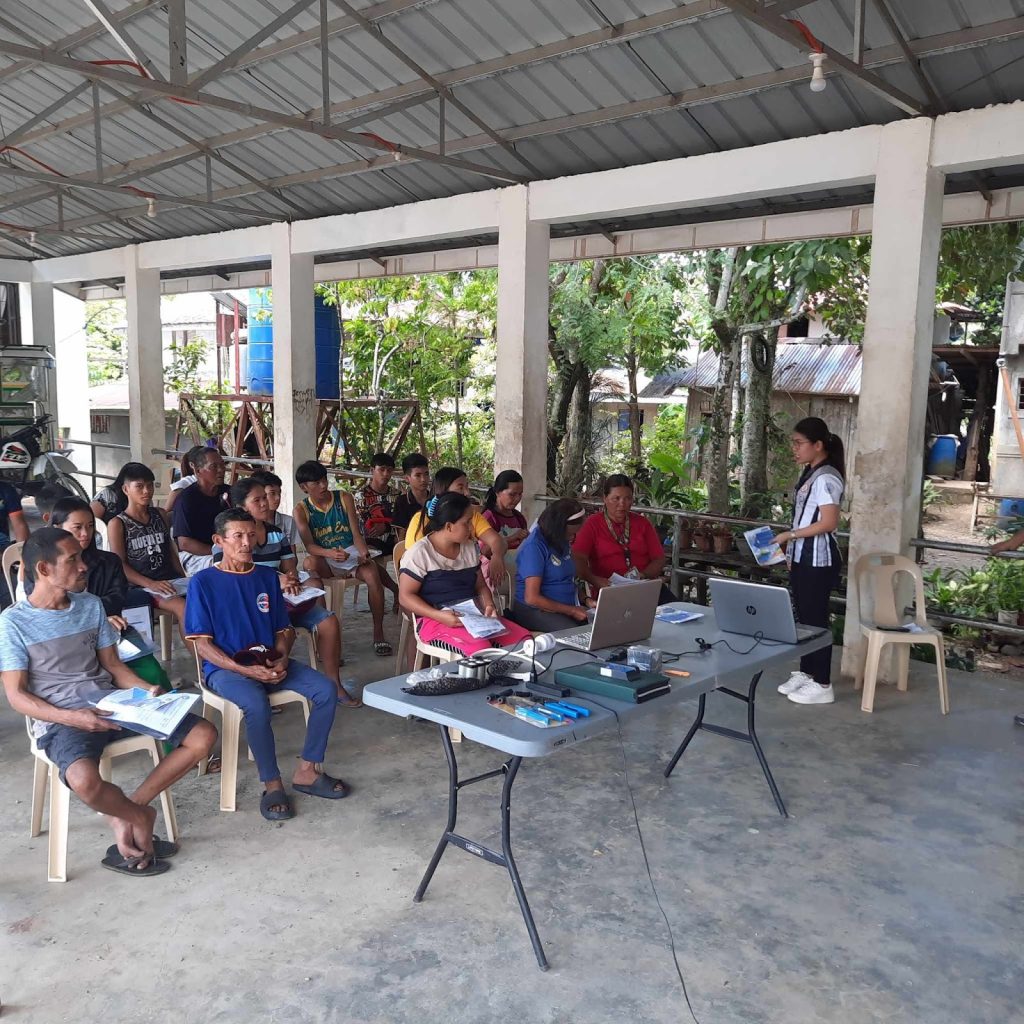
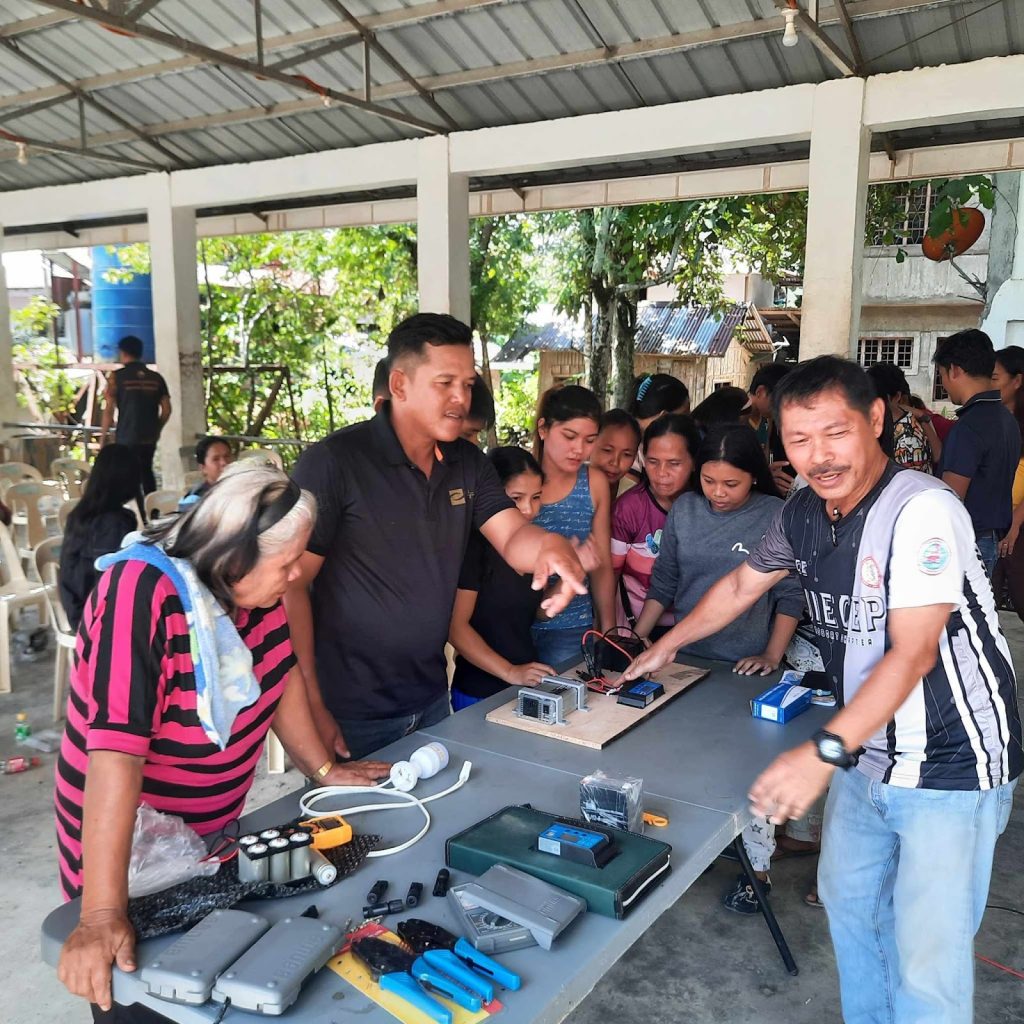
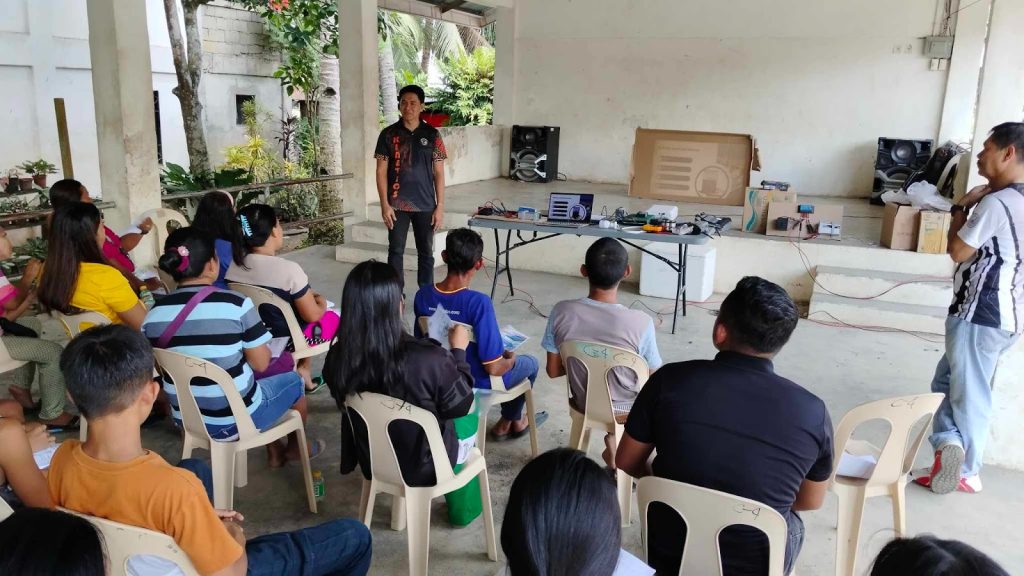
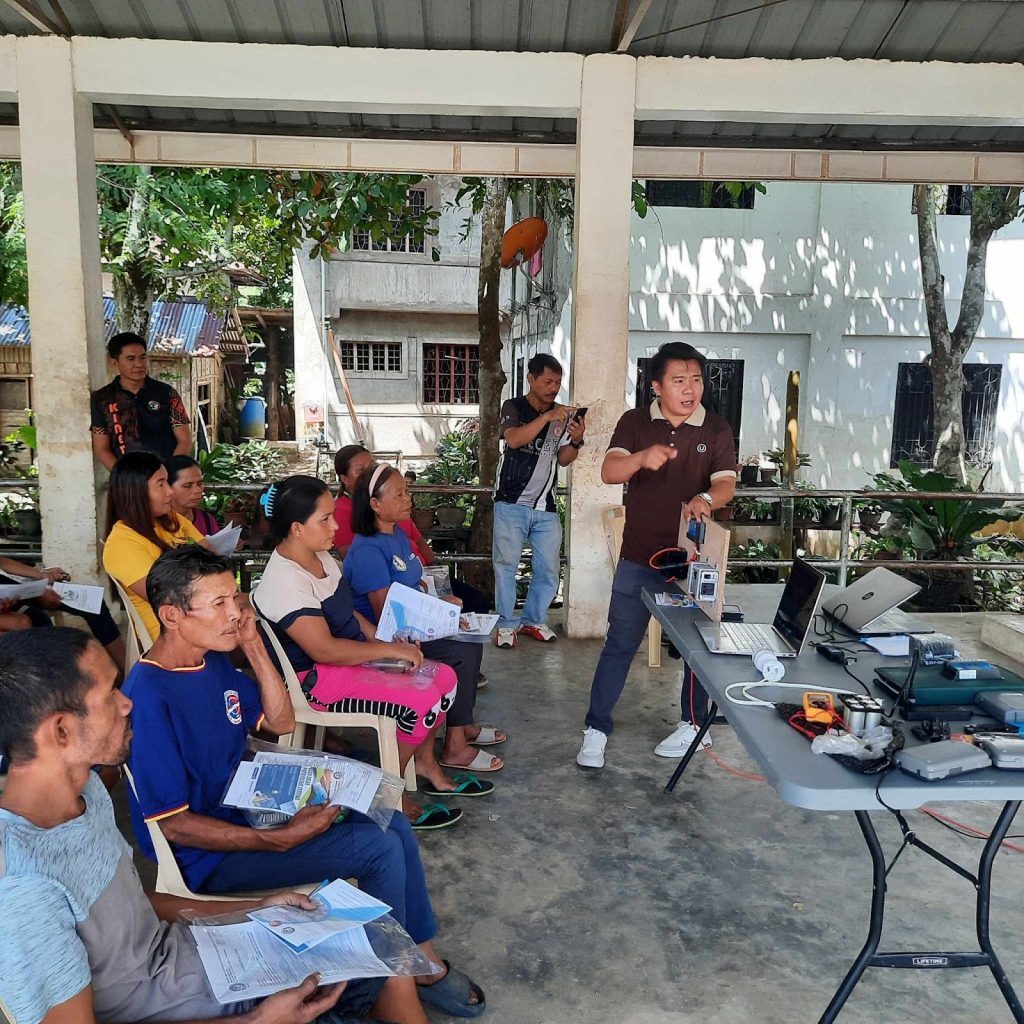
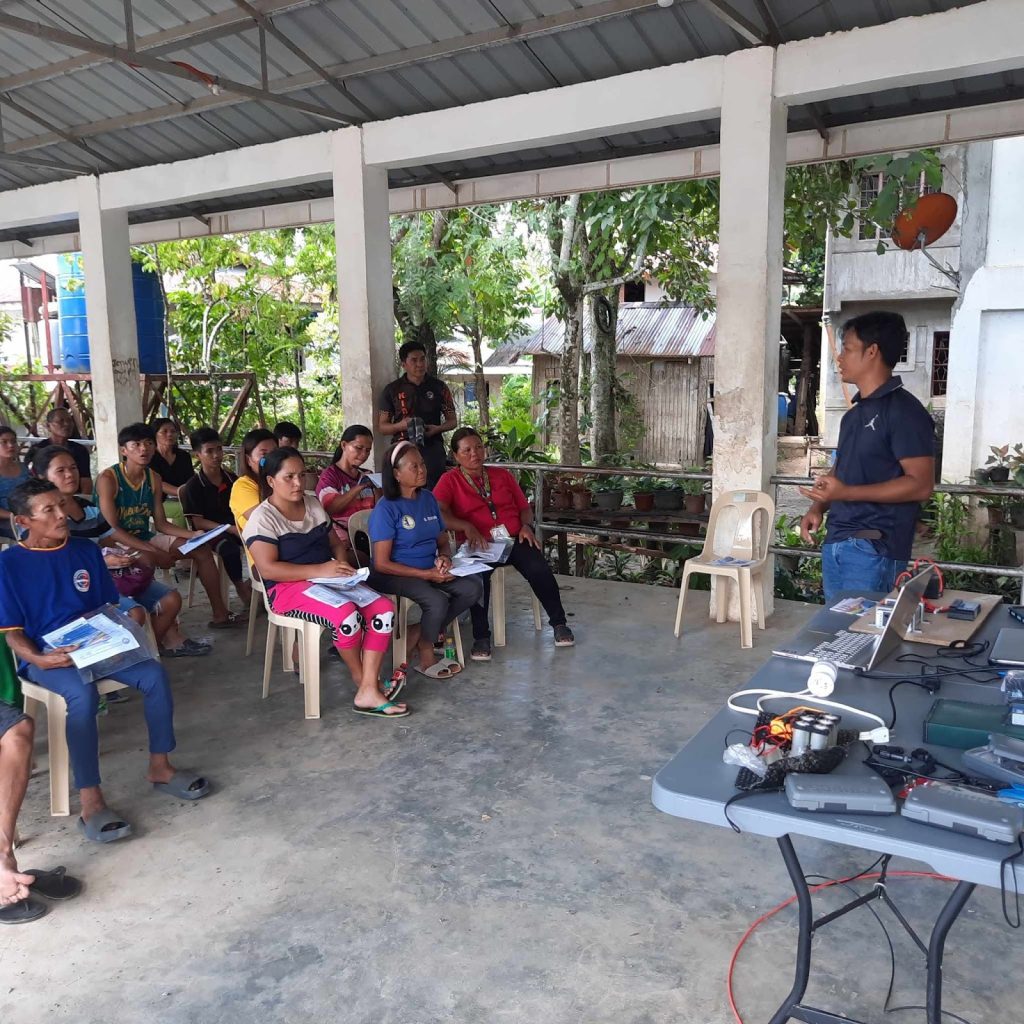
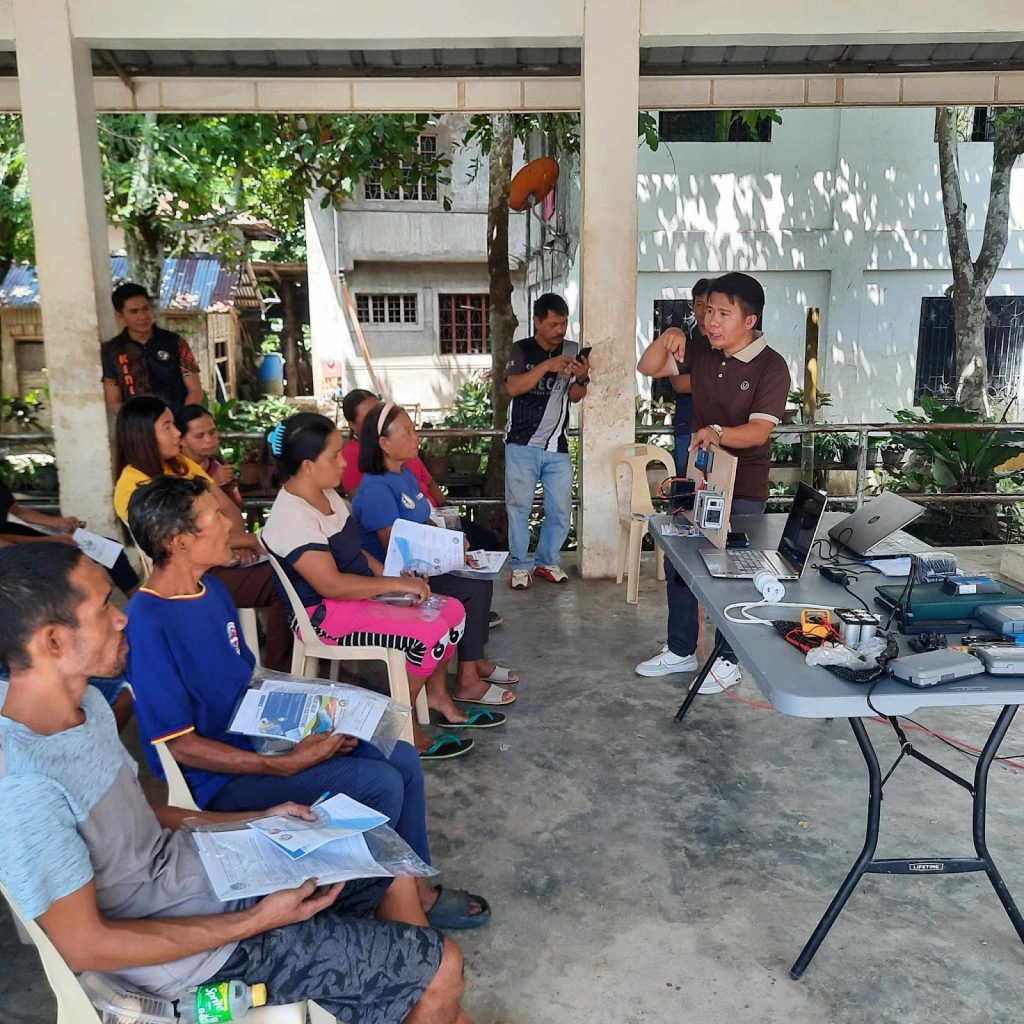
| College of Engineering and Information Technology (CEIT) | CAPIT-BISIG: Workshop on Solar PV System Design, Safety & Application | A three-day community educational workshop aimed at promoting renewable energy awareness and equipping participants with technical knowledge on solar photovoltaic (PV) system design, installation, and safety protocols. The activity supports sustainable energy practices and community empowerment through hands-on learning. | June 5–7, 2024 | Barangay Hall of Nueva Era | Open to the general public — including local government representatives, technicians, students, and residents interested in renewable energy applications. | Link |
In 2024, the Agusan del Sur State College of Agriculture and Technology (ASSCAT) continued to uphold its strong commitment to community engagement and lifelong learning by organizing and hosting events that were open to the general public. These initiatives reflect the institution’s dedication to extending its educational mission beyond the confines of the classroom and ensuring that learning remains accessible, inclusive, and responsive to community needs. Through such public lectures, community workshops, and educational outreach programs, ASSCAT continues to strengthen its role as a catalyst for local development and innovation in the province of Agusan del Sur.
One of the most notable public engagement initiatives for 2024 was the CAPIT-BISIG: Workshop on Solar PV System Design, Safety & Application, spearheaded by the College of Engineering and Information Technology (CEIT). The three-day workshop was held on June 5–7, 2024, at the Barangay Hall of Nueva Era and was open to the general public, including local government representatives, technicians, students, and residents interested in renewable energy applications. The event aimed to enhance community knowledge and technical capability in the design, operation, and maintenance of solar photovoltaic (PV) systems—an essential component of sustainable and affordable energy solutions in rural communities.
The CAPIT-BISIG Workshop served as both an educational and capacity-building platform. It provided participants with theoretical understanding and practical skills related to solar energy technologies. Expert facilitators from the CEIT and invited resource persons delivered in-depth lectures on system design principles, safety protocols, and real-world applications of solar PV systems. Practical sessions and demonstrations were also conducted, allowing attendees to gain hands-on experience in assembling and testing solar power components. This approach ensured that the participants not only learned about the technology but also acquired the technical competence to apply it in their own communities or professions.
Beyond its technical content, the workshop reflected ASSCAT’s commitment to sustainable community development and environmental stewardship. By empowering local stakeholders with knowledge on renewable energy, the institution contributes to the national and global advocacy for clean and sustainable energy use. The event also promoted awareness of energy efficiency and self-reliance, particularly in off-grid or rural areas where access to electricity remains limited. Through this activity, ASSCAT supported both Sustainable Development Goal 4 (Quality Education) and Sustainable Development Goal 7 (Affordable and Clean Energy), demonstrating the institution’s alignment with international frameworks for sustainable progress.
The venue selection—the Barangay Hall of Nueva Era—underscored ASSCAT’s effort to bring learning directly to the community. This location choice made the event more accessible to local participants and fostered stronger collaboration between the college and barangay officials. The workshop also served as an avenue for knowledge exchange between the academic sector and the public, reinforcing the college’s philosophy of “Education for Service and Development.” The successful implementation of this initiative highlighted the effectiveness of university-community partnerships in addressing real-world challenges through education and innovation.
Documentary evidence, including event reports, attendance sheets, photographs, and promotional materials, validate the conduct of the CAPIT-BISIG Workshop and its outcomes. The event’s success has inspired further community-based technical training programs under the CEIT and other colleges within ASSCAT. These efforts collectively affirm the institution’s mission to expand access to knowledge, empower local communities, and promote sustainable development through education and technology.In conclusion, the CAPIT-BISIG: Workshop on Solar PV System Design, Safety & Application stands as a testament to ASSCAT’s ongoing efforts to engage the public in educational activities that promote lifelong learning and community empowerment. By hosting such events that are open to the general public, ASSCAT continues to strengthen its role as a people-centered academic institution—bridging the gap between higher education and community needs, fostering local innovation, and contributing to the sustainable development of Agusan del Sur.
Program:
Documentation:
Indicator 4.3.3 Vocational Training Events
Does your university as an educational body host events at university that are open to the general public: executive education programmes (this refers to short courses for people who are not attending the university; this specifically excludes courses like MBA) and/or vocational training?
Yes, the Agusan del Sur State College of Agriculture and Technology (ASSCAT) reaffirmed its commitment to lifelong learning, inclusive education, and community-oriented skills development by hosting a series of educational, vocational, and executive education programs that were open to the general public. While the institution does not maintain a formal TESDA office on campus, ASSCAT maximized the use of its classrooms, laboratories, and administrative spaces to support Technical Education and Skills Development Authority (TESDA) trainees, graduates, trainers, and other stakeholders. These initiatives, which include competency-based training, job fairs, conferences, and multi-agency consultations, demonstrate ASSCAT’s proactive role in expanding technical-vocational access and aligning local skills development with national workforce priorities.
To support structured technical-vocational education, the Administration Building facilitated operational activities such as document processing and coordination for TESDA programs. Classrooms CA 03 and the Horticulture Laboratory were utilized for the Agricultural Crops Production (ACP) NC III training program, which ran from August 14, 2023, to January 15, 2024. This program adhered to TESDA’s competency-based standards and national training schedule, reflecting ASSCAT’s organized and programmed approach to providing training and assessment services.
World Café of Opportunities – Job Fair and Government Service Caravan (Ad-Hoc, Public-Facing Event) CEIT
On August 30, 2024, ASSCAT hosted TESDA’s World Café of Opportunities, a national job fair and public service caravan open to graduates, trainees, community members, and enrollees from various Technical Vocational Institutions (TVIs). Ten ACP NC III graduates from ASSCAT attended, alongside numerous external participants.
Multiple companies, enterprises, and government agencies—including SSS, Pag-IBIG, and BIR—provided employment screening, account inquiries, and registration services. Some attendees submitted applications to hiring companies, while others availed assistance for government identification and benefit requirements.
This event showcases ASSCAT’s role as a public venue for workforce development activities accessible beyond its student population.
1st Administrators’ Conference (Programmed Executive Education–Type Event)
ASSCAT also served as a host site for the 1st Administrators’ Conference organized by the TESDA Provincial Office. The newly appointed Provincial Director, Dr. Remegias G. Timonio, Ed.D., CEO VI, led the conference, which was attended by TVET administrators, assessors, and trainers from various institutions.
The program featured leadership development, professional ethics reinforcement, capacity-building priorities, program accreditation guidelines, and policy directions for TVET institutions. The learning sessions, grounded in leadership narratives and industry-responsive training strategies, classify this event as an executive education–type program, benefiting participants from outside the university.
Consultation Meeting with Key Players for the Community-Based TVET (CBTVET) Convergence Ecosystem (Ad-Hoc Public Consultation Event)
ASSCAT also participated in a consultation meeting led by TESDA Executive Director Lorenzo Emanuel L. Guillermo, CSEE/CESO. The event gathered stakeholders from LGUs, PESO offices, DOLE, DILG, and industry partners to discuss the CBTVET Convergence Ecosystem.
Topics included labor market integration, community-based training strategies, local governance involvement, and industry-led program design. This consultation was open to multiple sectors, positioning ASSCAT as a collaborative learning environment where education and employment institutions converge.
Briefing and Orientation on the Infrastructure Quality Monitoring and Durability System for I-BUILD Subprojects
ASSCAT participated in the Briefing and Orientation on the Infrastructure Quality Monitoring and Durability System (IQMDS) for I-BUILD Subprojects held on August 27–30 at Apo View Hotel, Davao City. The activity was conducted under the leadership of Deputy Project Director of Region XI, Carlene C. Collado, CPA.
The briefing aimed to strengthen the capacities of project implementers and partner institutions in ensuring consistent monitoring, evaluation, and quality assurance of infrastructure projects. Key discussions centered on the standardized procedures for assessing structural durability, documenting field conditions, and utilizing monitoring tools essential for maintaining the integrity of I-BUILD subprojects.
ASSCAT representatives actively engaged in the orientation sessions, gaining clearer insights into the operational workflows and technical requirements of the IQMDS. The activity also served as a platform for sharing field experiences and aligning quality monitoring practices across participating agencies.
The event equipped ASSCAT with enhanced knowledge and practical guidance that will support the institution’s role in promoting quality, compliance, and accountability in infrastructure implementation.
5. Conduct of Material Testing and Quality Control (MTQC) for I – BUILD Subprojects
The College of Engineering and Industrial Technology (CEIT) of ASSCAT participated in the four-day training on Material Testing and Quality Control (MTQC) for I-BUILD Subprojects held on November 5–8 at Eden Nature Park & Resort, Davao City. The activity aimed to enhance participants’ technical skills in material testing and quality assurance for infrastructure projects.
The training covered key topics such as concrete and soil testing, aggregate analysis, proper sampling procedures, and the implementation of quality control standards. ASSCAT representatives actively joined lectures, workshops, and hands-on exercises that strengthened their understanding of MTQC processes.
The event also served as a venue for networking and sharing best practices among engineers, project implementers, and academic participants. Certificates were awarded at the end of the program, acknowledging the participants’ commitment to improving infrastructure quality.
The training provided valuable knowledge and practical skills that will support ASSCAT’s efforts to uphold quality and standards in its engineering programs and future projects.
Evidence:
Project Title: ASSCAT’s 2024 Public-Facing Vocational Training And Executive Education Events Series Of Programmed And Ad-Hoc Activities Hosted Or Facilitated By ASSCAT
Link/Reference: https://www.facebook.com/share/p/1CjzNdwBaC/?mibextid=wwXIfr
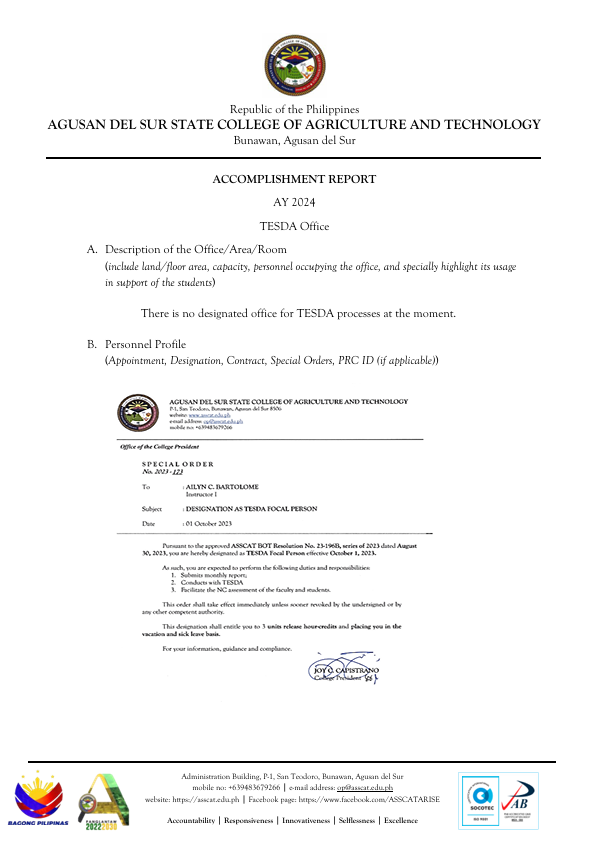
Figure 1. Accomplishment report of TESDA Agricultural Crops Production NC III training for students from August 14, 2023, to January 15, 2024.
Figure 2. ASSCAT’s role as a public educational venue providing opportunities for skills development, professional growth, and community collaboration.
Indicator 4.3.4 Outreach Activities
In 2024, the Agusan del Sur State College of Agriculture and Technology (ASSCAT) actively extended its educational mission beyond campus boundaries through structured outreach activities targeting local schools and communities. These initiatives exemplify the College’s commitment to knowledge sharing, capacity-building, and the promotion of educational excellence within the wider community. Through such activities, ASSCAT engages both its faculty and students in voluntary, community-oriented programs, fostering a culture of service while strengthening the skills and competencies of external stakeholders.
A notable example of ASSCAT’s educational outreach is the EduKalidad: Strengthening Teachers’ Proficiency in Diverse Teaching Strategies and Technology Utilization program, implemented by the College of Education (BEEd faculty). Conducted from July 24–26, 2024, at Nueva Era Elementary School, Nueva Era, Agusan del Sur, this three-day initiative targeted 200 participating teachers, providing a total of 300 participant-hours of training.
The program focused on enhancing teachers’ instructional proficiency through the integration of Strategic Intervention Material (SIM) and other innovative teaching methodologies and technologies. Faculty members actively engaged with participants to demonstrate practical strategies, facilitate hands-on exercises, and provide guidance on optimizing classroom instruction for students who face challenges in mastering key concepts. The initiative not only strengthened the pedagogical capabilities of the teachers but also promoted collaboration, knowledge transfer, and the adoption of modern educational practices in the local community.
This educational outreach activity reflects ASSCAT’s broader commitment to lifelong learning, community engagement, and the empowerment of educators beyond the campus. It also aligns with the College’s mission to foster socially responsible graduates and faculty who contribute meaningfully to local development. By mobilizing nine dedicated faculty members for this activity, ASSCAT ensures that outreach efforts are structured, sustained, and impactful, emphasizing the College’s role as an active partner in regional educational advancement.
Evidence:
Project Title: EduKalidad: Strengthening Teachers’ Proficiency in Diverse Teaching Strategies and Technology Utilization
Date: July 24–26, 2024
Venue: Nueva Era Elementary School, Nueva Era, Agusan del Sur
Faculty Involved: 9 BEEd faculty
Public Posting: https://www.facebook.com/share/p/17tRPNncGD/
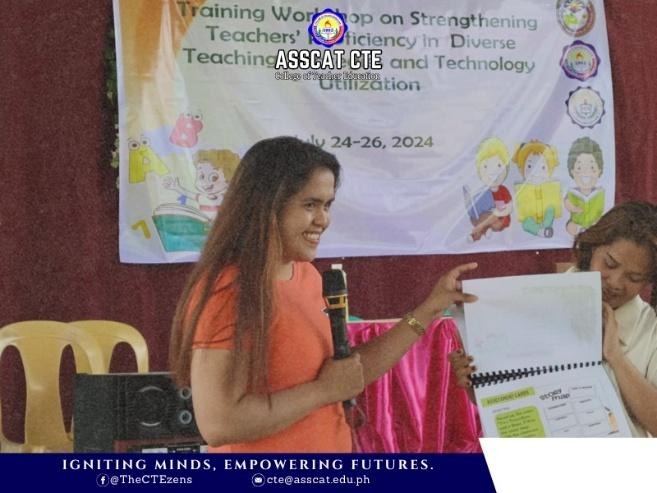
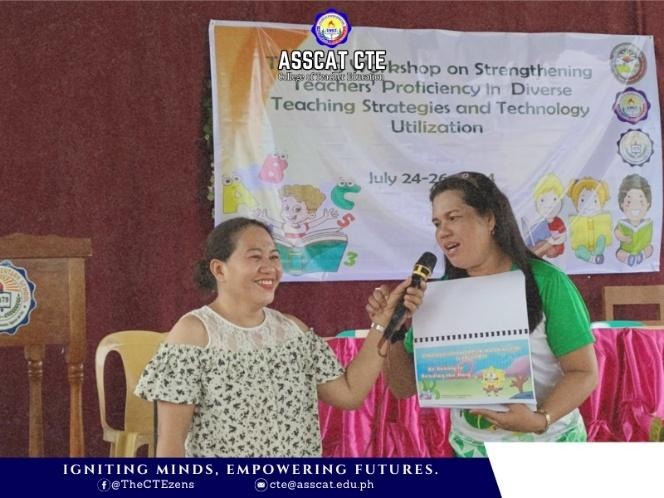
Figure 1.ASSCAT BEEd faculty conducting the EduKalidad outreach program at Nueva Era Elementary School, providing training on innovative teaching strategies and technology integration to enhance teacher proficiency and classroom learning outcomes.
Indicator 4.3.5 Lifelong Learning Access Policy
The Agusan del Sur State College of Agriculture and Technology (ASSCAT) has institutionalized a strong commitment to inclusivity and equitable access for all its educational programs, services, and campus-based activities. The College ensures that participation is open to everyone regardless of ethnicity, religion, disability, immigration status, or gender, reflecting its broader mission to cultivate a learning environment that is equitable, socially responsible, and aligned with both national and global frameworks for education and human development.
To operationalize these principles, ASSCAT’s policies and procedures were formally reviewed and reaffirmed during the 122nd Board of Trustees Regular Meeting on December 20, 2021, held at Acacia Hotel, Davao City, and conducted virtually via Zoom. Through Resolution No. 21-133, Series of 2021, the Board approved the proposed revisions to the Student Handbook, which incorporated comprehensive measures to ensure access and inclusivity across all academic and non-academic activities. This revision process was overseen by a dedicated editorial board and thoroughly evaluated by the technical committee of the Commission on Higher Education (CHED) Caraga prior to formal endorsement, ensuring compliance with national standards and best practices for gender-sensitive and equitable educational provisions.
The revised Student Handbook explicitly incorporates provisions to safeguard the rights and welfare of all students, including those from marginalized or vulnerable groups. Some of the key policy areas include:
- Section 36 – Gender and Development (GAD): ASSCAT actively mainstreams gender-sensitive programs across its four core functions—teaching, research, extension, and governance. The College conducts regular gender-sensitivity seminars, awareness campaigns, and training programs for students and staff. It also provides priority lanes and ramps for Senior Citizens, pregnant women, and persons with disabilities, ensuring barrier-free access to College facilities and programs. Additionally, the GFPS Women’s Desk and hotline serve as dedicated support mechanisms to address issues related to gender equity, harassment, or discrimination, thereby ensuring a safe and responsive campus environment.
- Section 37 – Learning Resource Center (LRC) Services: The LRC, as the academic and research hub of the College, is committed to providing inclusive access to both print and digital resources. It offers online services that allow patrons to chat with librarians for reference and research assistance, as well as offline services, including book reservation systems, safe pick-up arrangements, and monitored reading space utilization. This dual-access approach ensures that all students—including those with mobility challenges or other special needs—can access educational materials effectively. Through these services, ASSCAT fosters equitable opportunities for self-directed learning, research, and lifelong education, while maintaining adherence to health and safety protocols.
- Section 134 – Policy on Pregnant Students and Those with Related Needs: In alignment with CHED Memorandum Order No. 104 and gender-responsive mandates, ASSCAT ensures that pregnant students are able to participate fully in internships, practical training, and on-the-job programs. This policy provides structured guidance for selection, placement, monitoring, and assessment of pregnant students and those with related needs, guaranteeing that their education continues without discrimination or interruption. This reflects the College’s commitment to inclusivity, social responsibility, and holistic support for all learners.
Through these integrated policies, ASSCAT demonstrates a holistic approach to equity and inclusion. The College not only establishes formal guidelines but also creates practical mechanisms to ensure that students from diverse backgrounds can fully participate in learning, research, and community engagement activities. By embedding these principles into the Student Handbook, ASSCAT institutionalizes accessibility and ensures that these values are upheld consistently across programs, departments, and extracurricular activities.
In addition to formal policy, the College’s philosophy of developing an “ideal ASSCATian” emphasizes moral integrity, social responsibility, and respect for diversity. Graduates are expected to be globally competent, prudent in judgment, articulate, resilient, and God-loving, embodying the principles of inclusivity and social awareness that underpin the College’s policy framework. These expectations reinforce the cultural and ethical environment that sustains equitable access for all participants.
Collectively, these policies and institutional practices reflect ASSCAT’s unwavering dedication to the Sustainable Development Goals (SDG 4 – Quality Education and SDG 10 – Reduced Inequalities), ensuring that education and related activities are accessible to all, free from discrimination or barriers, and tailored to accommodate individual needs without compromising quality or standards.
Evidence:
- Excerpt from the Minutes of the 122nd Board of Trustees Regular Meeting (4th Quarter of CY 2021), Resolution No. 21-133, Series of 2021: Approving the Proposed Revised Student Handbook, reaffirming the Learning Policy.
- Excerpt from the Minutes of the 53rd (4th Quarter) Board of Trustees Meeting held on December 2, 2005.
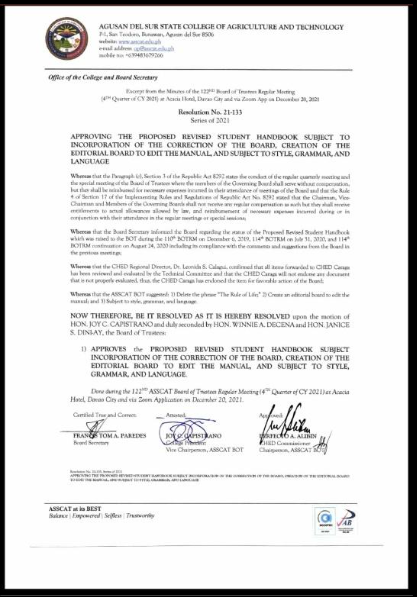
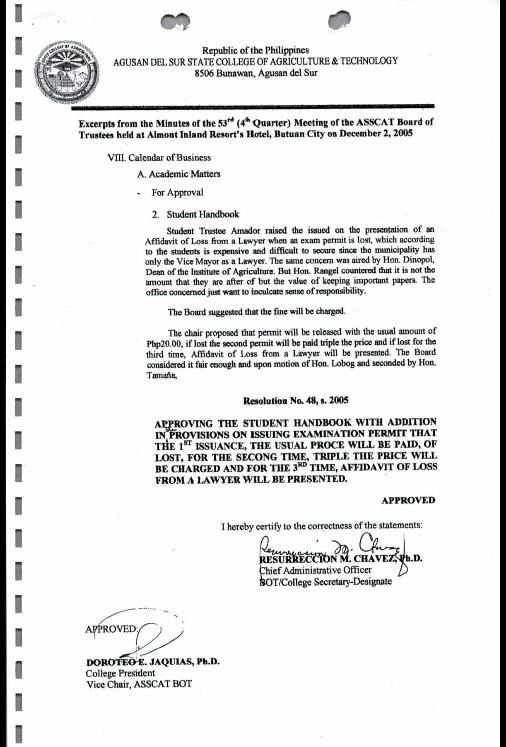
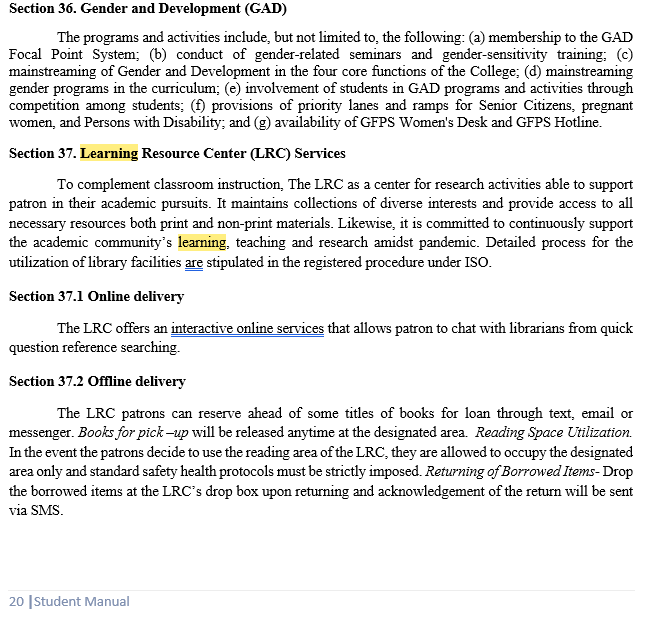
Figure 1.Excerpt from the ASSCAT Revised Student Handbook (2021) demonstrating institutional policies that ensure access to educational programs, activities, and services for all students and staff, regardless of ethnicity, religion, disability, immigration status, or gender.
4.4.1 Proportion of First-Generation Students
Table 1. Proportion of First-Generation Scholars Per Academic Year
| Academic Year | Average Number of Students Per Academic Year | Total Number of First-Generation Scholars Per Academic Year | Proportion of First-Generation Scholars (%) |
| 2022–2023 | 7,279 | 88 | 1.21% |
| 2023–2024 | 6,732 | 297 | 4.41% |
| 2024–2025 | 8,160 | 340 | 4.17% |
| Total / Average | 22,171 | 725 | 3.27% |
Grounded in its vision of becoming a “Future-Proof University for Sustainable Communities,” ASSCAT’s strategic initiatives for 2022-2025 focus on enhancing learning opportunities, strengthening support systems for disadvantaged students, and improving faculty and curricular quality. The college acknowledges that achieving quality education extends beyond classroom instruction; it involves overcoming barriers to access, empowering underrepresented learners, and ensuring that the learning environment fosters success for everyone. Therefore, aligning with SDG 4 is both a moral responsibility and a developmental necessity.
Between the academic years 2022–2023 and 2024–2025, ASSCAT served an average of 7,390 students each year, demonstrating the institution’s ongoing role as a leading higher education provider in Agusan del Sur. Within this expanding academic community, the college has made significant progress in reaching first-generation students—those who are the first in their families to pursue higher education. Their inclusion highlights ASSCAT’s growing ability to make tertiary education accessible to groups that have traditionally been excluded or underrepresented in the higher education system.
The data highlights a significant upward trend in first-generation student participation. In the Academic Year 2022–2023, ASSCAT recorded 88 first-generation scholars, which represented 1.21% of the total student population. This number experienced a considerable increase in 2023–2024, rising to 297 scholars, or 4.41%. This surge indicates enhanced awareness, outreach, and scholarship engagement efforts. By the Academic Year 2024–2025, the count further increased to 340 scholars, making up 4.17% of the total enrollment. Over these three years, the college supported a total of 725 first-generation students, resulting in an average representation of 3.27% across the years.
These figures, although modest in absolute terms, represent a significant qualitative improvement in inclusive access. The increase from 1.21% to 4.41% in just one academic year demonstrates the success of targeted interventions, such as intensified scholarship information campaigns, partnerships with local government units, and the expansion of educational outreach programs through the Office of Student Affairs and Services. This growth also reflects the institution’s improved data collection and monitoring systems, which allow for the identification and tracking of first-generation learners, ensuring that institutional policies effectively address their needs.
ASCCAT’s approach to SDG 4 focuses on holistic student development by ensuring equitable learning opportunities, implementing competency-based curricula, and enhancing faculty training with 21st-century pedagogies. The rising number of first-generation scholars correlates with academic reforms that include digital learning tools and blended instruction, providing sustained support throughout their educational journey. Key to this success is ASSCAT’s collaboration with national agencies like CHED and TESDA. Its recognition as a Delivering Higher Education Institution (DHEI) and active involvement in TESDA’s competency standards development further enhance the learning environment for first-generation students through improved instruction and curricula. Additionally, ASSCAT’s commitment to Continuing Professional Development (CPD) ensures faculty are trained in innovative teaching methods, making education more adaptive and inclusive. This readiness is crucial for the retention and success of first-generation students who often need flexible learning pathways.
The steady growth in enrollment at ASSCAT demonstrates the college’s successful balance between access and quality. Enrollment increased from 6,732 students in the 2023–2024 academic year to 8,160 in the 2024–2025 academic year, demonstrating both quantitative expansion and qualitative improvement in academic offerings. This progress indicates that the initiatives aimed at attracting first-generation students did not compromise instructional standards; instead, they enhanced the college’s inclusive education framework. Through mentoring programs, peer support groups, and improved student services, ASSCAT fosters a supportive academic environment that values diversity and the well-being of learners.
The institution is committed to sustaining its gains while navigating structural and financial challenges impacting scholarship coverage and student support. Trends indicate a maturing organization focused on improving access and inclusion. To enhance its SDG 4 performance, ASSCAT plans to: (1) expand scholarship partnerships, (2) integrate socio-economic profiling in enrollment to identify first-generation students, and (3) strengthen tailored mentorship and remedial programs.
In summary, the data from ASSCAT for the years 2022 to 2025 reflect a strong commitment to providing inclusive and equitable quality education. The increasing number and proportion of first-generation scholars highlight the institution’s responsiveness to the national call for greater participation in higher education. Each percentage point gained represents not just statistical progress but also transformed lives: families breaking cycles of educational disadvantage, communities gaining new role models, and the region fostering a stronger knowledge economy. Through its ongoing programs, faculty development initiatives, outreach efforts, and evidence-based policies, ASSCAT demonstrates that Sustainable Development Goal 4 (SDG 4) is not just an abstract ideal but a tangible practice within the institution. The college continues to evolve as a catalyst for educational transformation in Agusan del Sur, embodying the belief that quality education is both a right and a responsibility. As it prepares for the World University Ranking 2025, ASSCAT confidently positions itself as a local institution meeting global standards, committed to nurturing competent, compassionate, and community-oriented graduates who will advance the promise of sustainable and inclusive development.